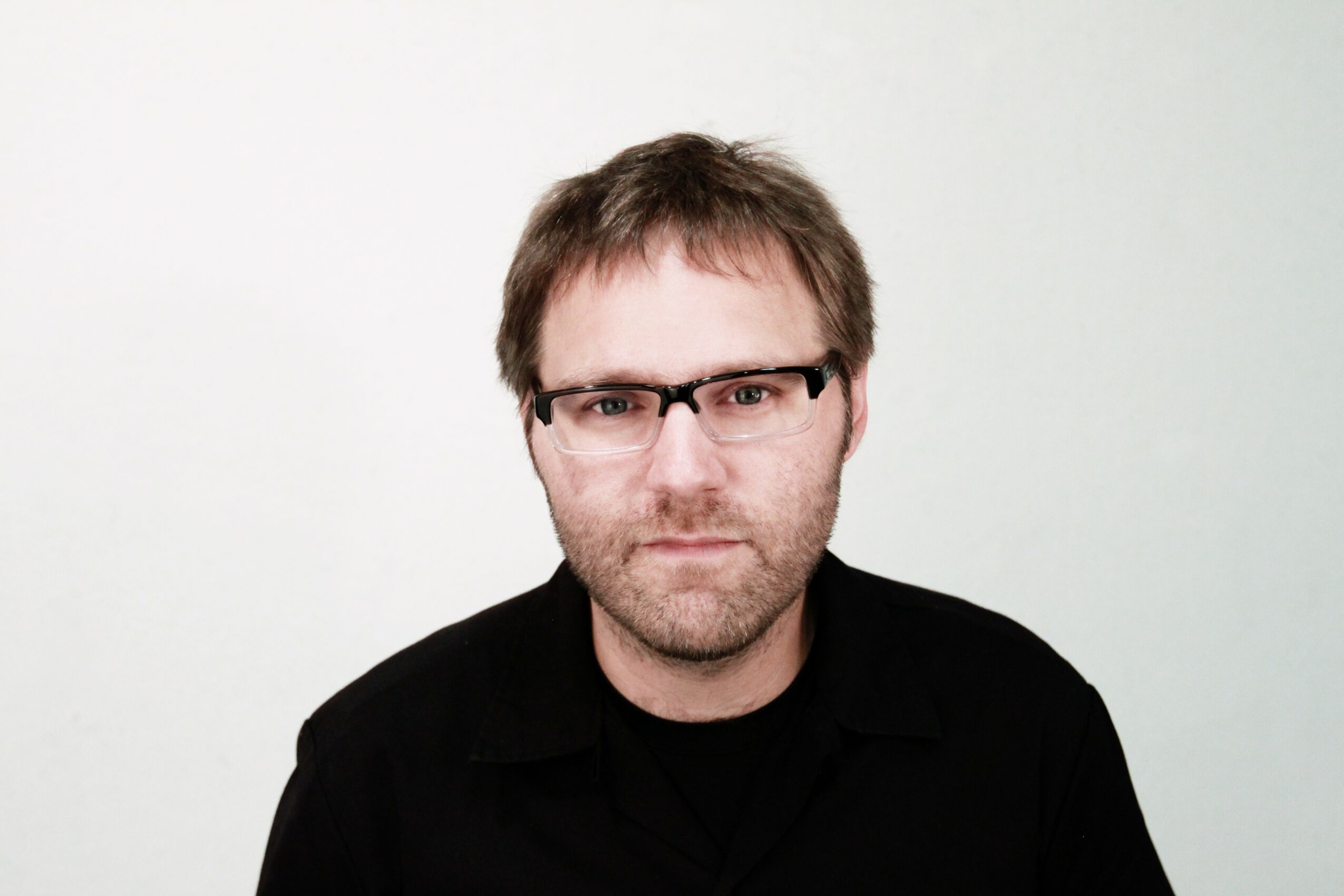
Today we’d like to introduce you to John Powers.
Hi John, we’re thrilled to have a chance to learn your story today. So, before we get into specifics, maybe you can briefly walk us through how you got to where you are today?
I was slow to discover art. I grew up in rural parts of Indiana and then Tennessee, and didn’t become aware of contemporary art until I was in college. I had always been interested in creative things but just was not aware of the contemporary art world or any of the possibilities connected to it. I often now describe art as a meeting house rather than a discipline. It’s a place where all other disciplines and subjects get to interact, mostly free of their own rules. It’s this understanding that drew me to art. When I was in college and had to declare a major, it was challenging not because I couldn’t find anything I was interested in but rather I was interested in just about everything. When I landed in a studio art class as an elective, I realized that the subject matter for art came from anywhere and everywhere and that anything is and can be research for artmaking. I went to Vanderbilt University for my undergraduate degree and at the time there was no major for studio art, only a minor. The next closest thing was art history, so I took that as my major and I filled pretty much every elective hour with studio art courses. In the midst of that there was a moment one day in the sculpture studio where I was talking with my sculpture professor, Michael Aurbach and I can still remember vividly looking at him in that moment and thinking “I want your job! This looks amazing!” I saw that you could be an artist in this way but you also got to spend your days interacting with other artists and helping young artists discover what their path is. I spent a few years working some different jobs after that and then went on to the University of Georgia to earn my MFA and was very fortunate to move directly into a teaching position from there. After five years teaching sculpture and foundations at the University of Alabama at Birmingham, I was offered a position here at UT where I now teach sculpture and time-based art and am the Associate Director of Undergraduate Studies in the School of Art.
Can you talk to us a bit about the challenges and lessons you’ve learned along the way. Looking back would you say it’s been easy or smooth in retrospect?
Yes and no! In many ways there is no smooth road in the arts. The joy of a life in the arts is that you chart your own course, but that is also the challenge. There are no direct paths. As a teacher I often speak with students about fields that have specific credentialling and how the arts are different, how you have to build your own credentials through a record of achievement and experience—exhibitions, awards, grants, etc. It’s incredibly rewarding but also endlessly challenging. Anyone’s life in the arts is a path littered with rejections. A major sustaining force is community. I’ve been very fortunate to have had excellent, caring mentors at critical steps along the way and to have had the support that comes from like-minded people in my immediate circles, both in art and music.
Appreciate you sharing that. What else should we know about what you do?
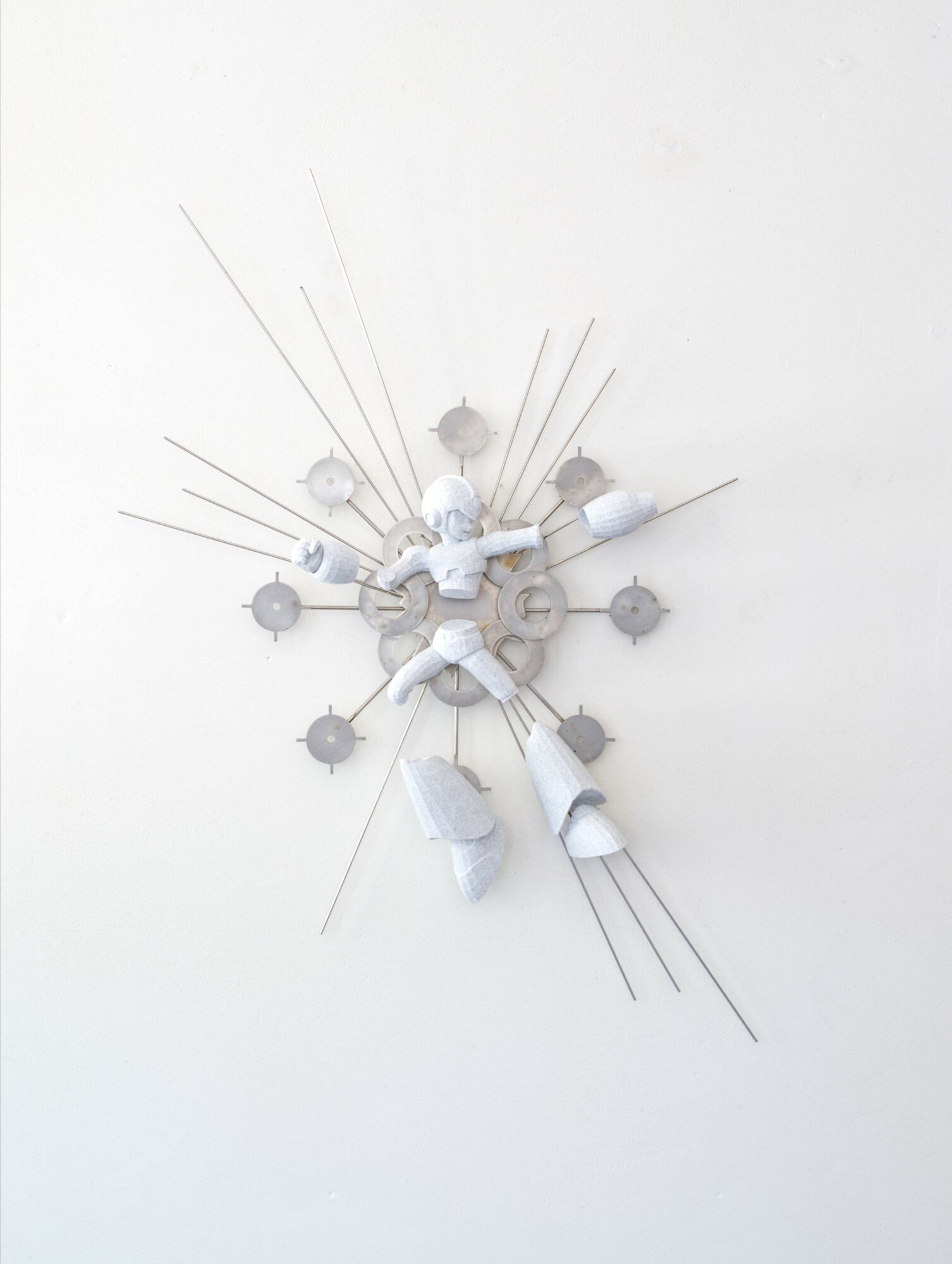
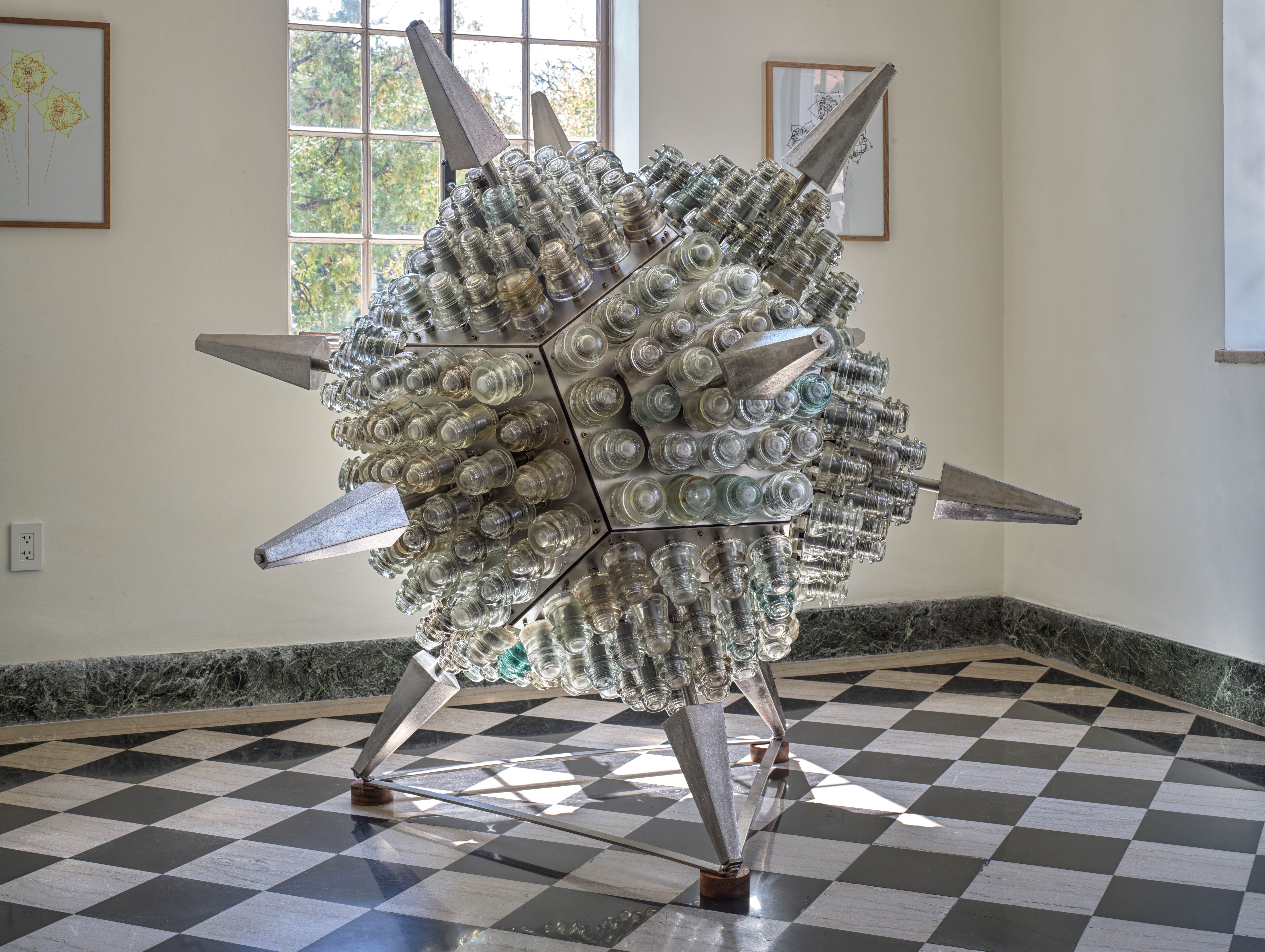
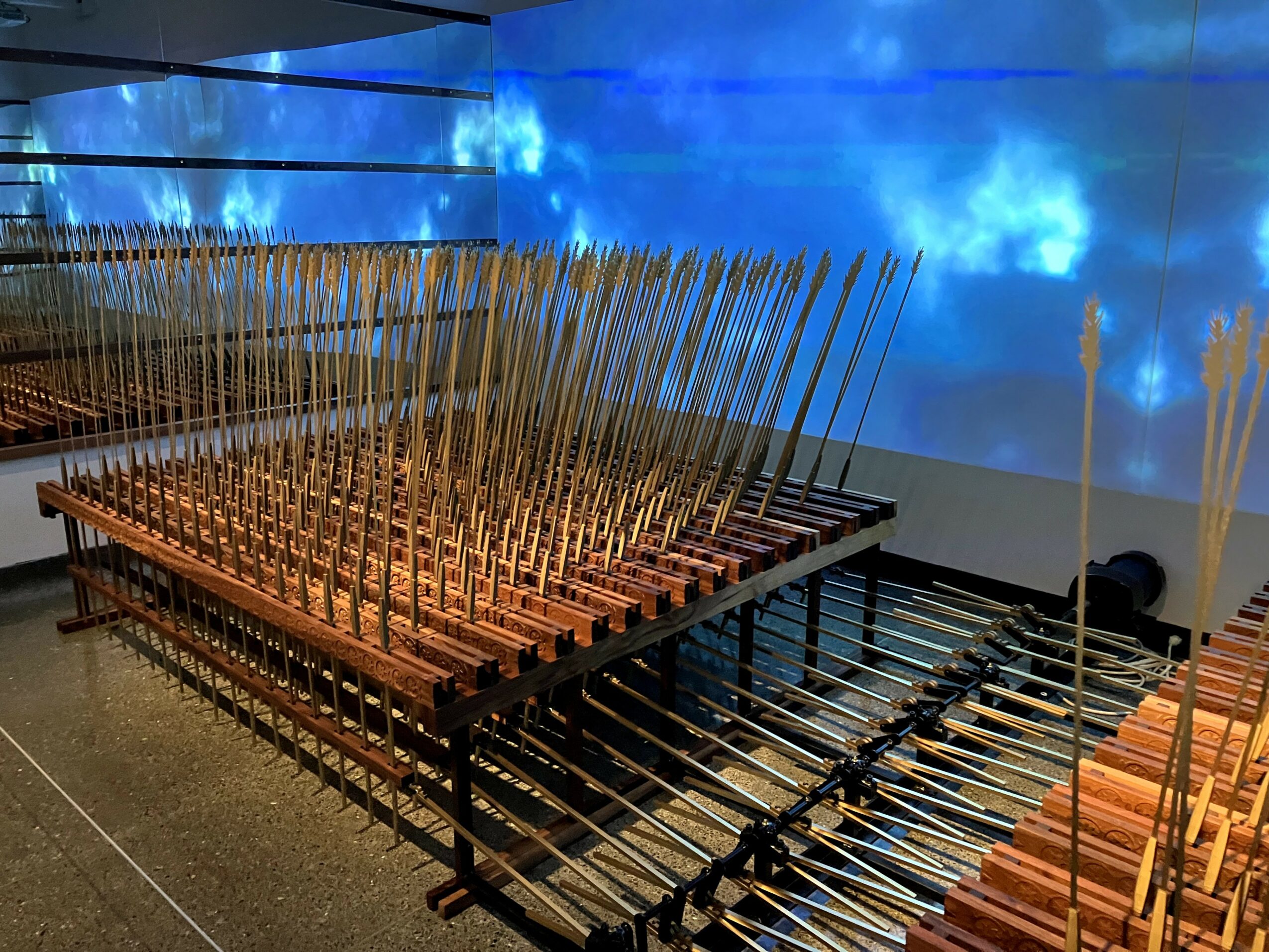
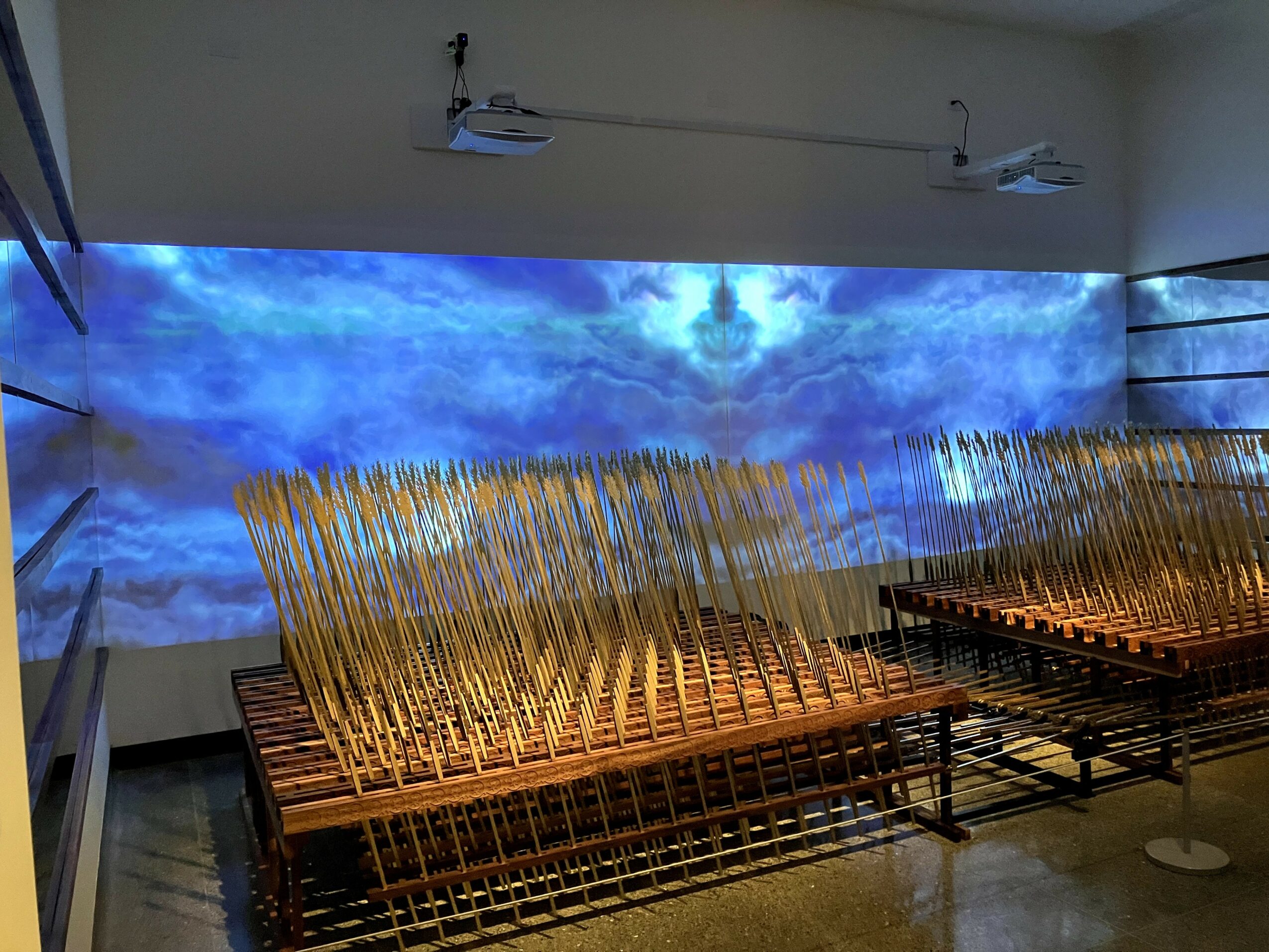
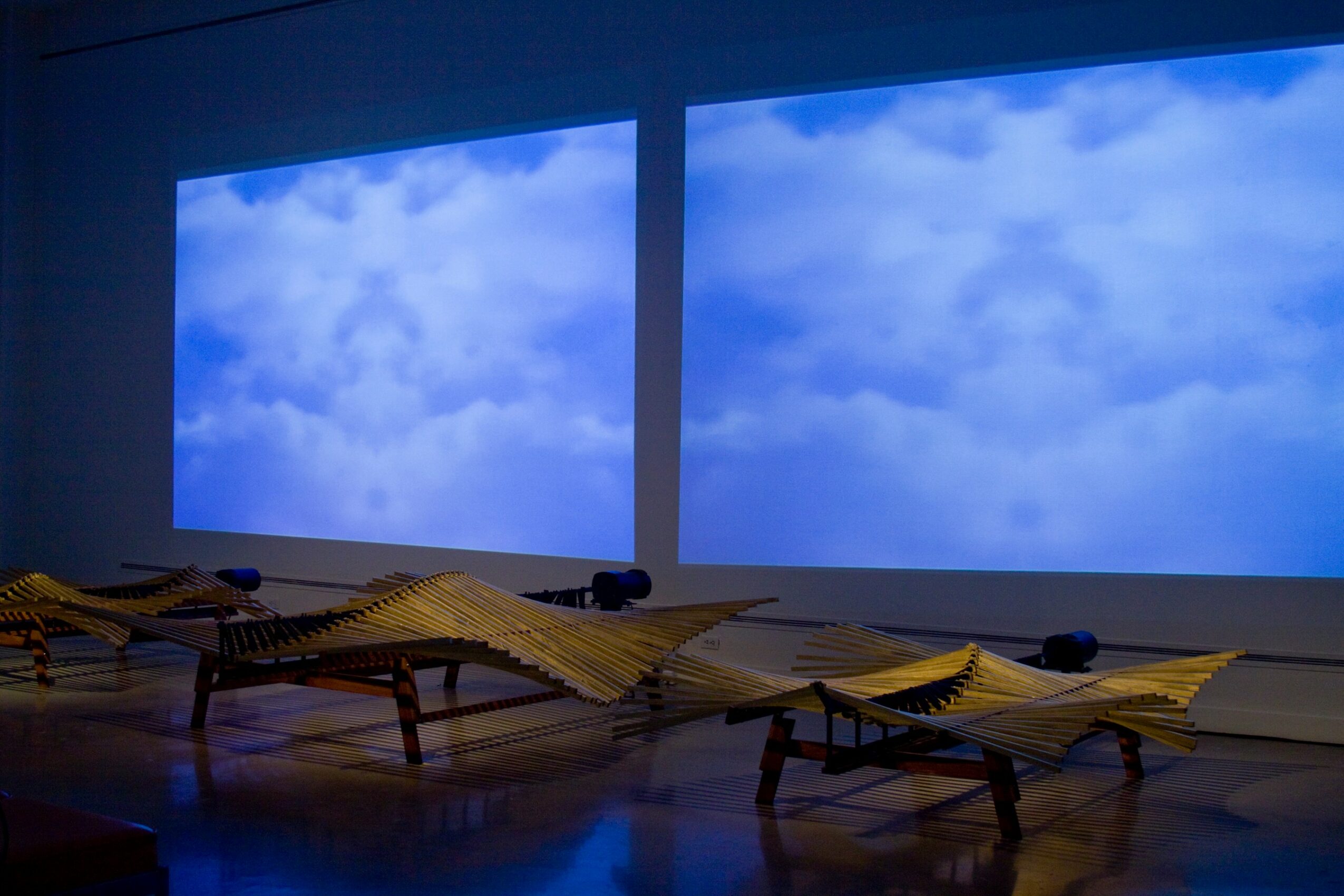
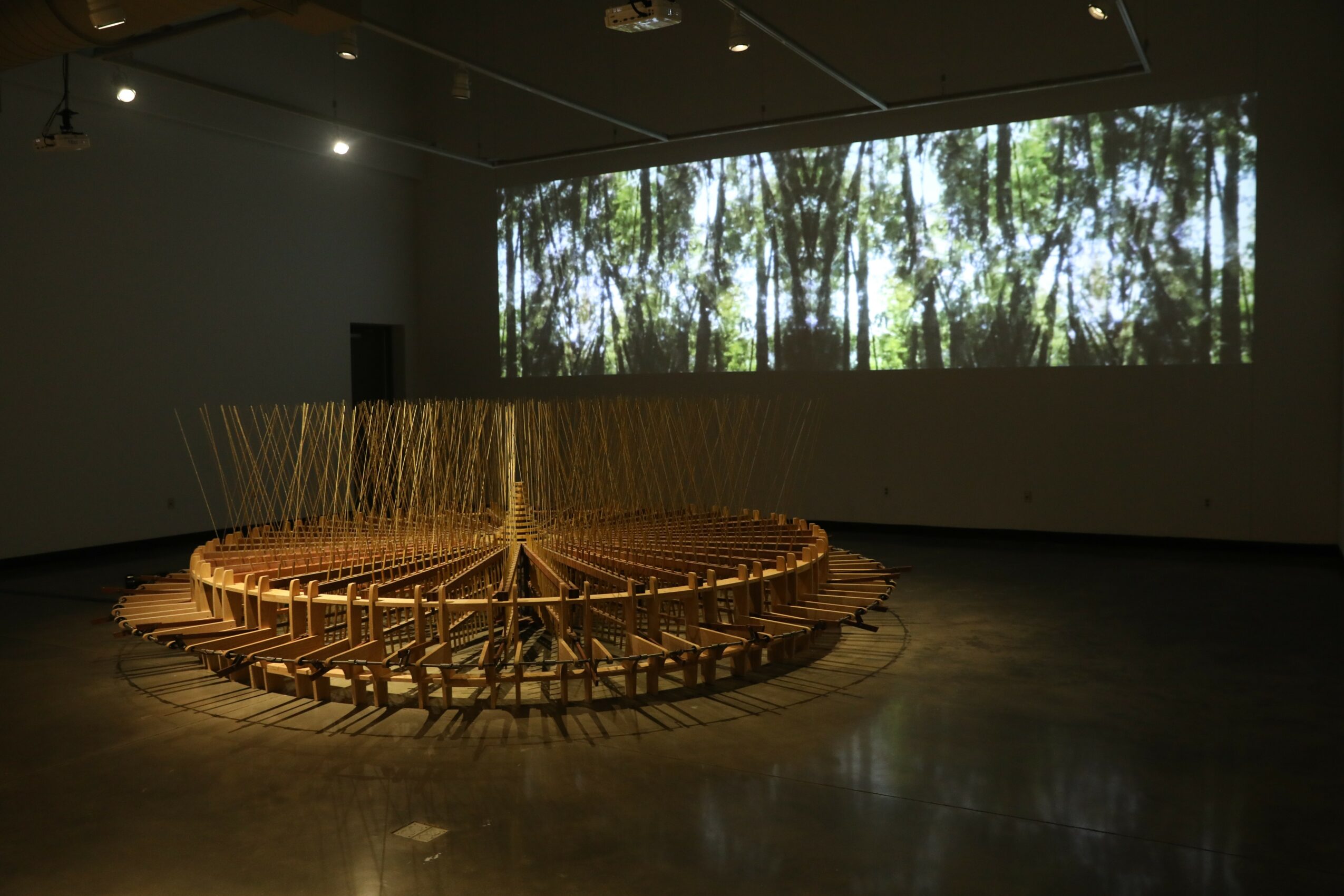
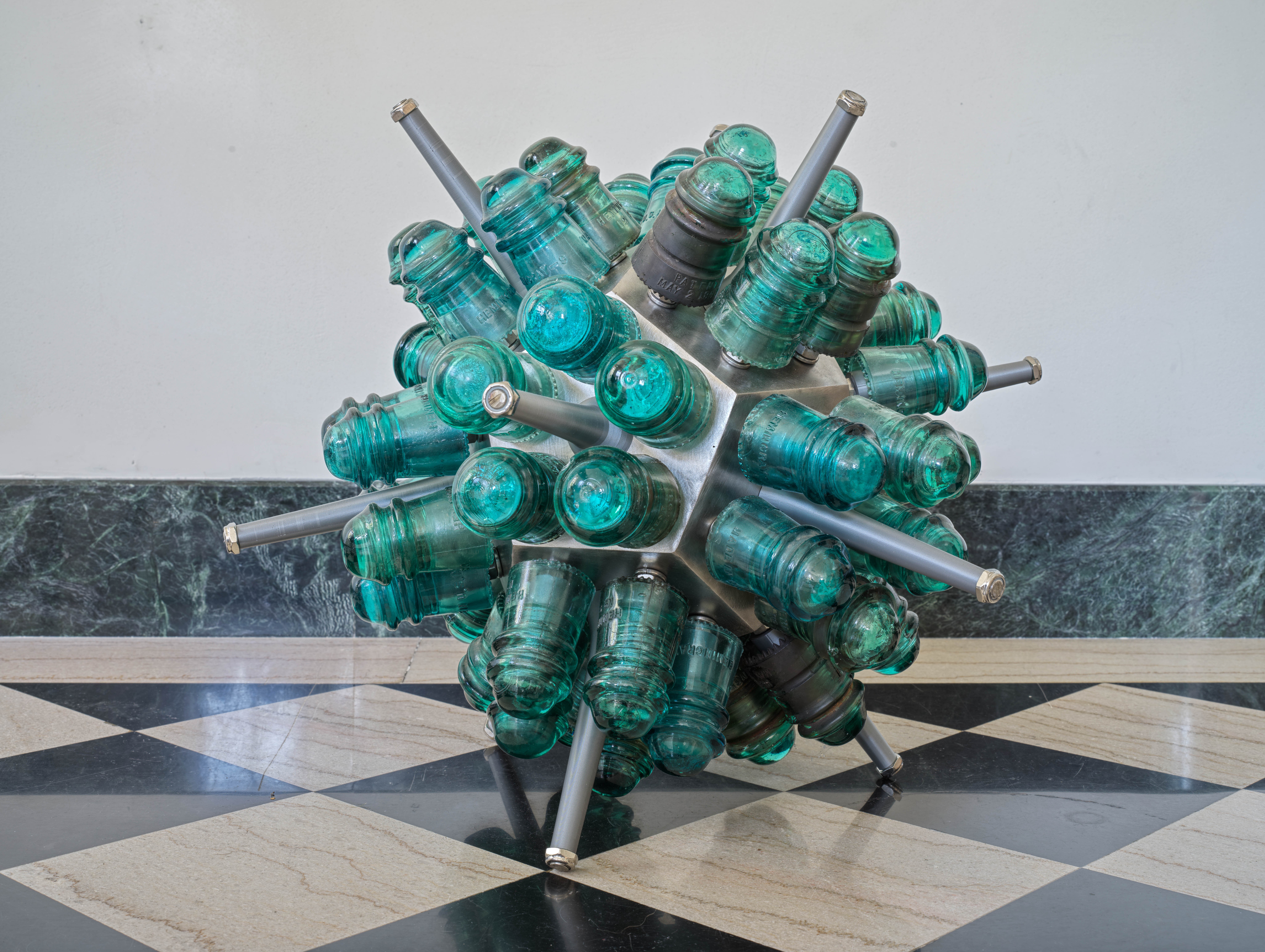
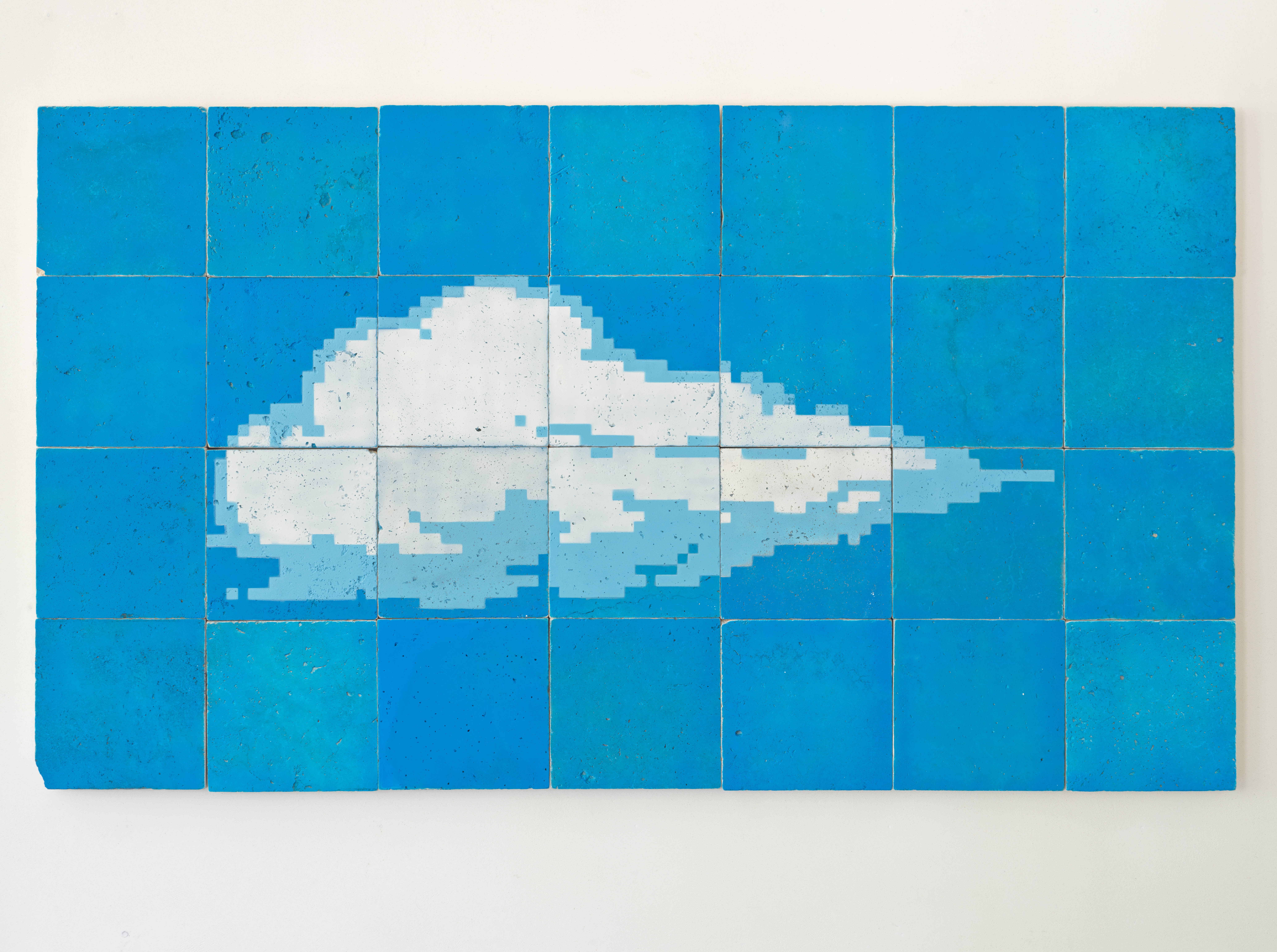
My own creative work falls mostly under the umbrella of sculpture and installation, but again something I appreciate about the arts is how fluid boundaries are. Depending on the idea, the work can be object or image or video or sound or performance. The primary focus of my studio over the past twenty years or so has been large scale kinetic sculpture—objects that employ mechanisms so that movement is a key part of the experience and a carrier for meaning. The impetus for many of these works has been mythological narratives, or, more specifically, the timeless questions imbedded in those myths related to how we experience the world and why things are the way they appear to be. I’m particularly interested in kinetics as an avenue to explore time and our own relationship to it alongside the emotive and psychological evocations of motion.
I love sculpture specifically for the way things like welding and woodworking and metal casting live there and rub elbows with philosophy and history and science. Over the years I’ve been fortunate to have shown at some really exciting and varied venues like the MIT Museum, The Crystal Bridges Museum of American Art, The Wichita Art Museum, The Hunter Museum of American Art, and The European Cultural Center to give some examples.
What was your favorite childhood memory?
It’s hard to pick one. Generally speaking, I look back fondly on having spent loads of time outdoors—hiking, exploring, climbing trees, hunting for fossils, wading in streams and so on. Because we lived so far outside of town, I really wasn’t involved in extracurriculars until later in junior high school when I got involved with sports. So, I benefitted from a lot of unstructured time–both on my own and with my siblings–. and all the play and imagining and inventing that can come with that.
Contact Info:
- Website: https://www.john-powers.com
- Other: https://art.utk.edu/people/instructional-faculty/powers-john-douglas/