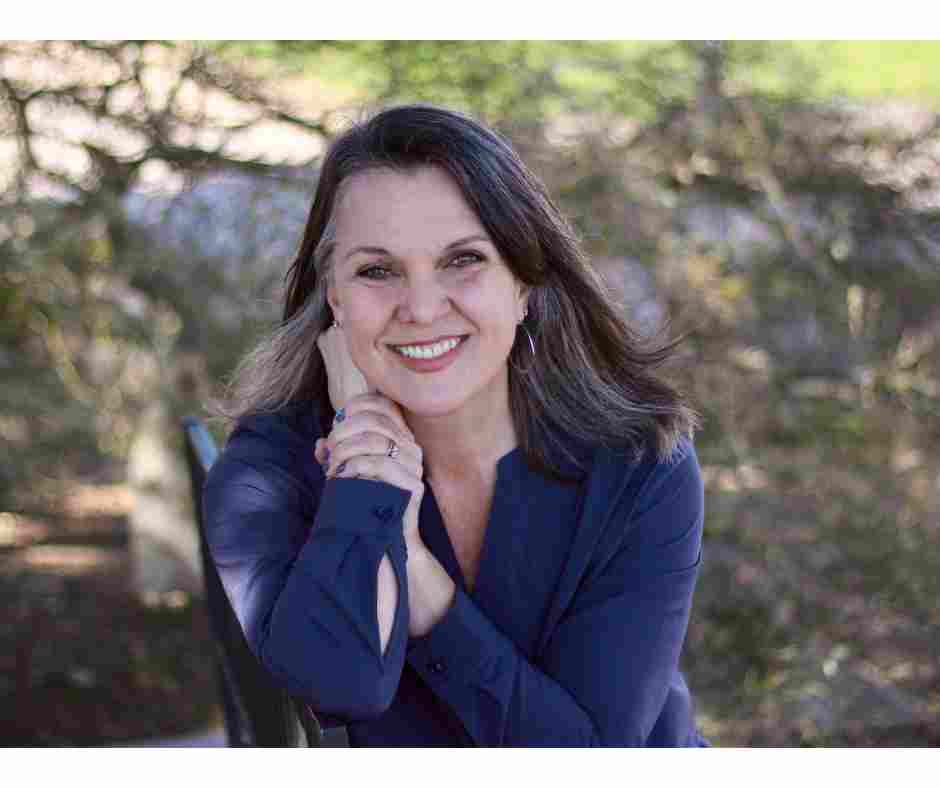
Today we’d like to introduce you to Micki Benoit.
Hi Micki, can you start by introducing yourself? We’d love to learn more about how you got to where you are today?
My job and the population I serve is one of my favorite things to talk about – so I apologize in advance if this is waaaaay too long – please feel free to edit it down.
I graduated from the University of Kansas with a degree in Speech-language pathology in 1997. I’ve been lucky to work in a number of different places ranging from hospitals to early intervention programs. I was, like most, following the traditional methods of intervention and learning as I go. I began finding my niche in the realm of pragmatic language (social skills). I enjoyed the students, the intervention and I found the progress I helped my clients achieve to be incredibly rewarding.
A major turning point for me and my career came in 2011 with an eighth grader named Jack. Jack was on my caseload and had just mastered his goal of “adapting to unexpected changes.” On paper, he was doing great. One afternoon, we finished a session and opened the therapy room door to an unexpected change – his class had left their classroom early and was walking down the hallway without him. Jack bolted down the hall shouting, “stop, Stop, STOP!!!!!” and began scolding his teacher and the student in the front of the line, you see this was Jack’s week to be line-leader. Jacks’ ability to adapt to that unexpected change in the real world was anything but “great”.
During our next session, we sat down to talk through what had happened. We reviewed all the hypothetical situations, went over all of the coping strategies. We revisited all of the skills he had (on paper) mastered. Then Jack said something I will never forget: “I know, Ms. Micki, but it’s a lot easier said than done.” That insight changed the trajectory of my career. In that moment, I realized Jack could recite every strategy, could answer every question correctly and he could memorize all of the skills, but when presented with a real-life situation, it didn’t translate. He knew the rules but he couldn’t apply them.
Jack left my therapy room that day and I sat in silence for a long time. I was a good therapist, but my therapy wasn’t working. So, I began doing things differently. I started adapting the evidence-based programs I was using. I moved my sessions out of my therapy room and into real-life. I involved peers. I created opportunities for students to practice social skills instead of just talking about them. Slowly, my intervention approach began to take shape. Before long – parents began telling me they were seeing changes at home. Teachers reported improvements in the classroom. Jack no longer sat alone in the cafeteria at lunch! So, I kept doing things differently, still learning as I go.
That’s what I’ve been doing for the past decade, learning as I go. I’ve worked almost exclusively with neurodivergent tween, teen and young adults, many of which describe themselves as “autistic…but not autistic enough”. Needing social skills support but to “high functioning” to qualify for traditional therapy services. Supporting this underserved diverse group became my passion, and finding intervention methods that would truly work for them in the real world became my mission.
Out of that mission, my practice EDGE (Empower. Develop. Grow. Emerge.) was established and my intervention approach has been formalized. The EDGE Approach is an intervention model for social skills groups that emphasizes real-world practice, authentic peer interaction, and respect for each individual’s authentic personality. Most importantly, it focuses on generalization outside of Groups. It’s the hardest I’ve ever worked, the most fun I’ve ever had and the most effective therapy I’ve ever provided.
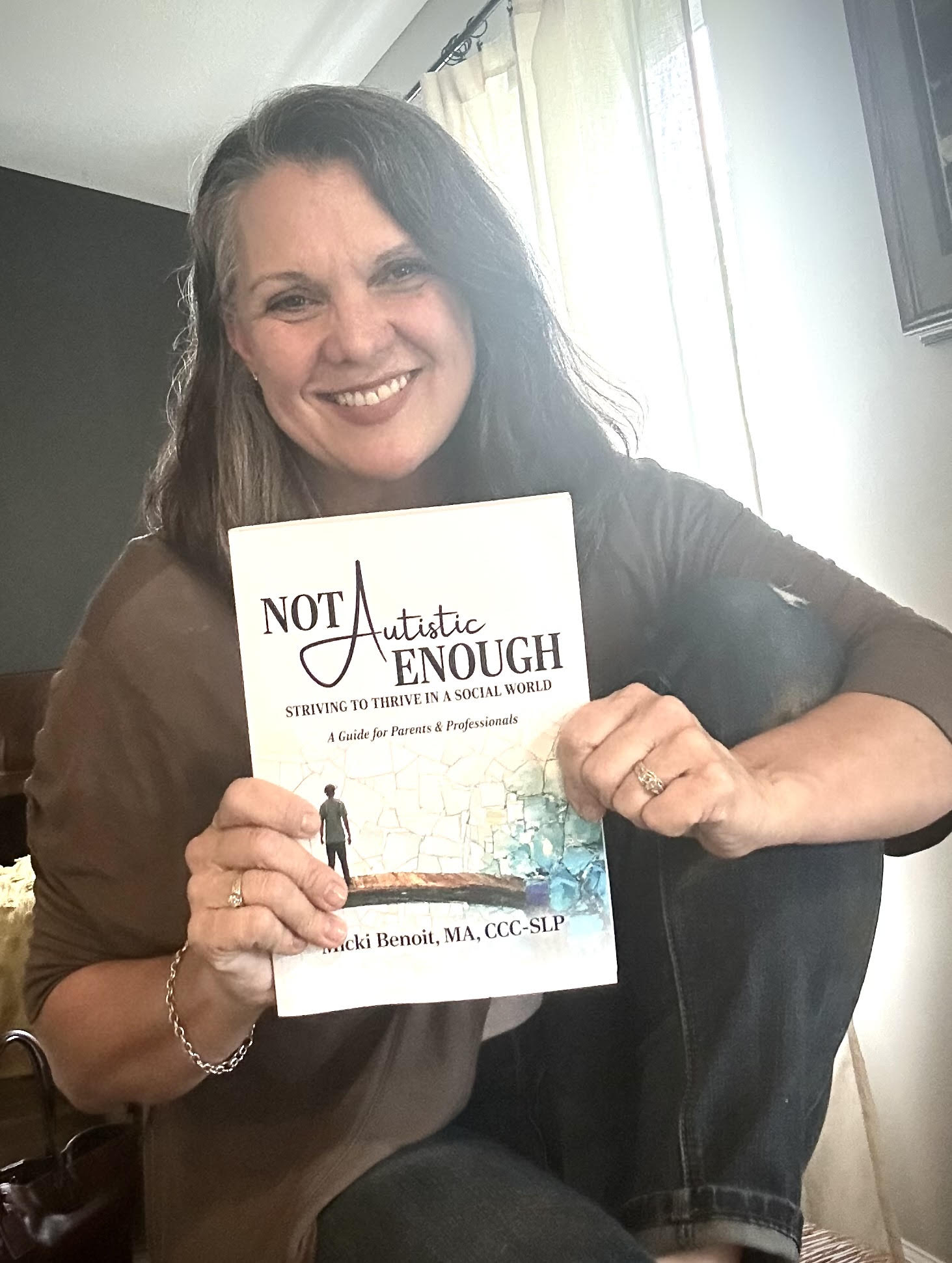
Which leads me to now! Today my goal is to not only provide these services to individuals in and around the Knoxville area, but also to share it so others can use it. I have put my philosophy and intervention approach into a book, and I borrowed their words for the title: Not Autistic Enough: Striving to Thrive in a Social World. I have also been presenting at numerous state and national conferences and in January of 2026 launched virtual workshops for parents and professionals who want to learn and understand more.
That’s my story!
I’m sure it wasn’t obstacle-free, but would you say the journey has been fairly smooth so far?
Has it been a smooth road? Not always, but it sure is a rewarding one.
Developing my approach has taken more than a decade. Along the way, I learned just as much from what didn’t work as from what did. There were a few misses in the process. For example, hosting a community outing at a paintball field… bad idea. Bowling? Great idea!
Introducing a nontraditional intervention approach has also, at times, been a challenge. The therapy world relies heavily on traditional models of service delivery, and my approach is unapologetically not traditional. I do things differently and that makes some people uncomfortable. I often tell people, “I get it, I’m not traditional, but the traditional way wasn’t working. This does.”
What consistently smooths any bump in the road is the population itself. The individuals I get to work with in my Social Skills Groups are a demographic that is significantly underserved and in desperate need (and want) of support. Seeing their confidence grow, their relationships improve, and their quality-of-life change is rewarding beyond words. Hearing their parents tell me that they notice a difference in the social interactions in the family…. the struggles pale in comparison to the joy that bring me professionally ad personally.
Thanks – so what else should our readers know about EDGE?
EDGE stands for Empower. Develop. Grow. Emerge. It is designed to empower neurodivergent teens and young adults to Develop social skills so they can Grow into their authentic selves and Emerge more confident. Guided by the slogan “Equipping you to thrive in a social world,” EDGE focuses on bridging the gap between understanding social rules in theory and using social skills successfully in real-life situations—across relationships, school, work, and community.
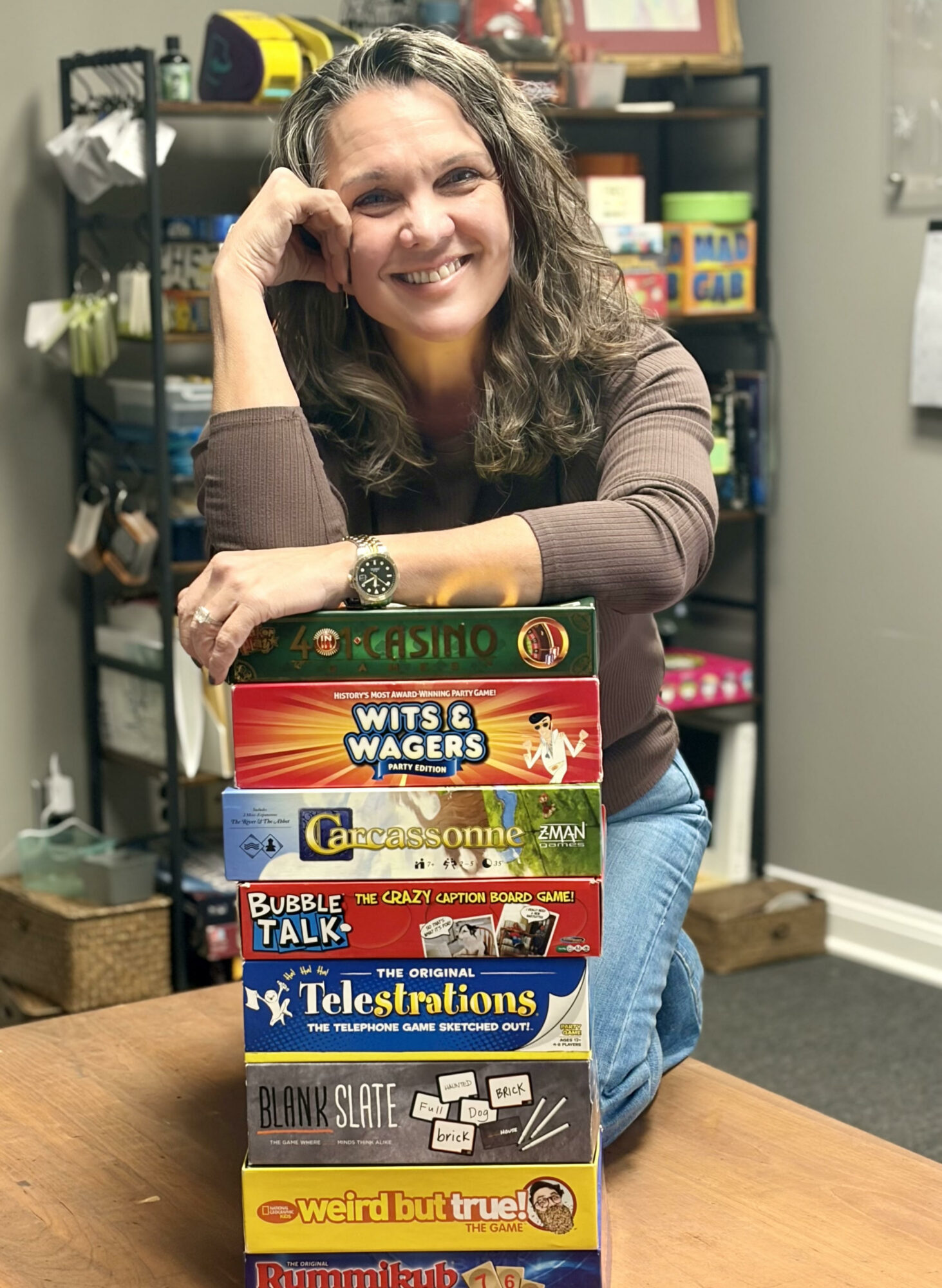
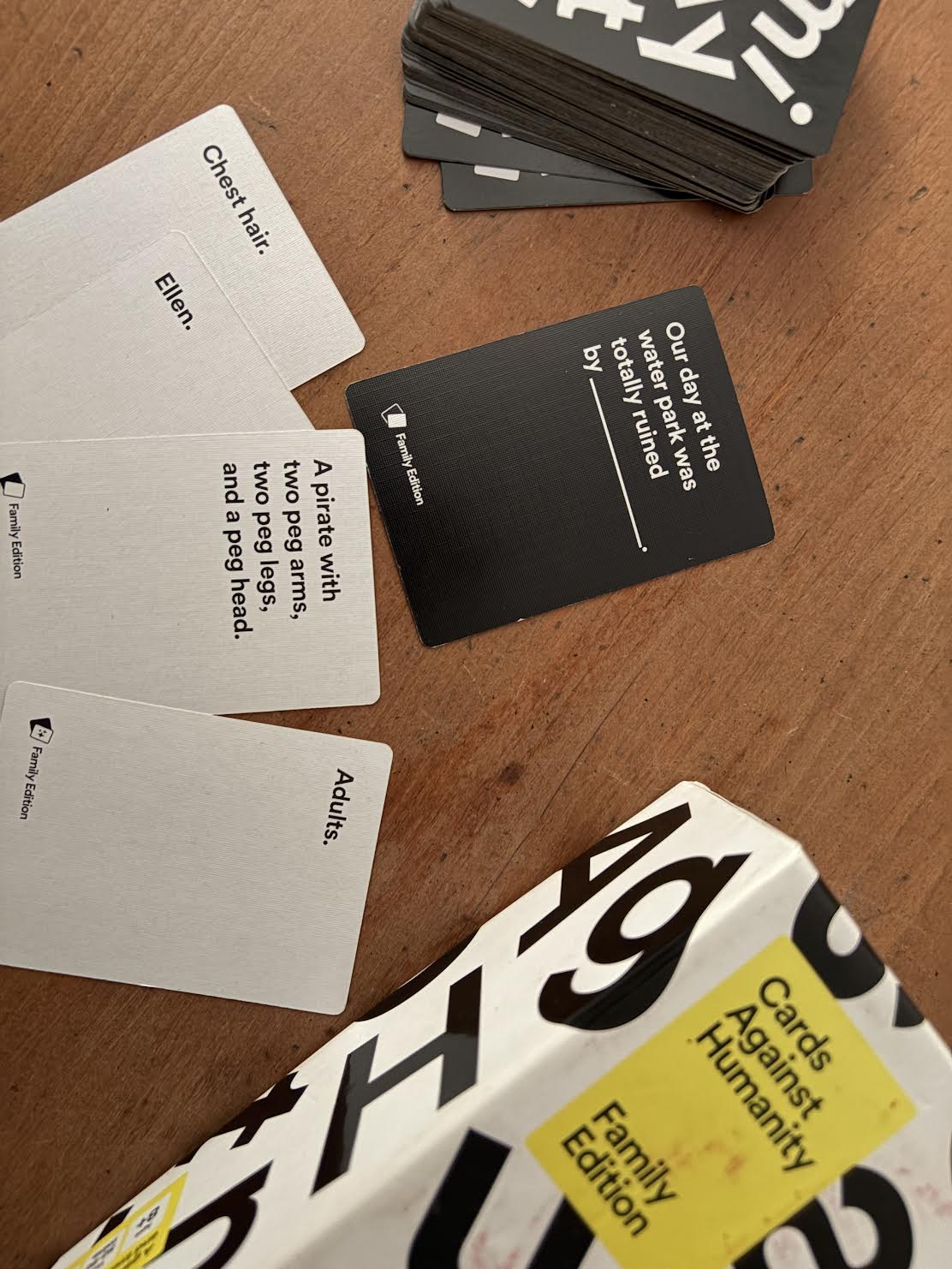
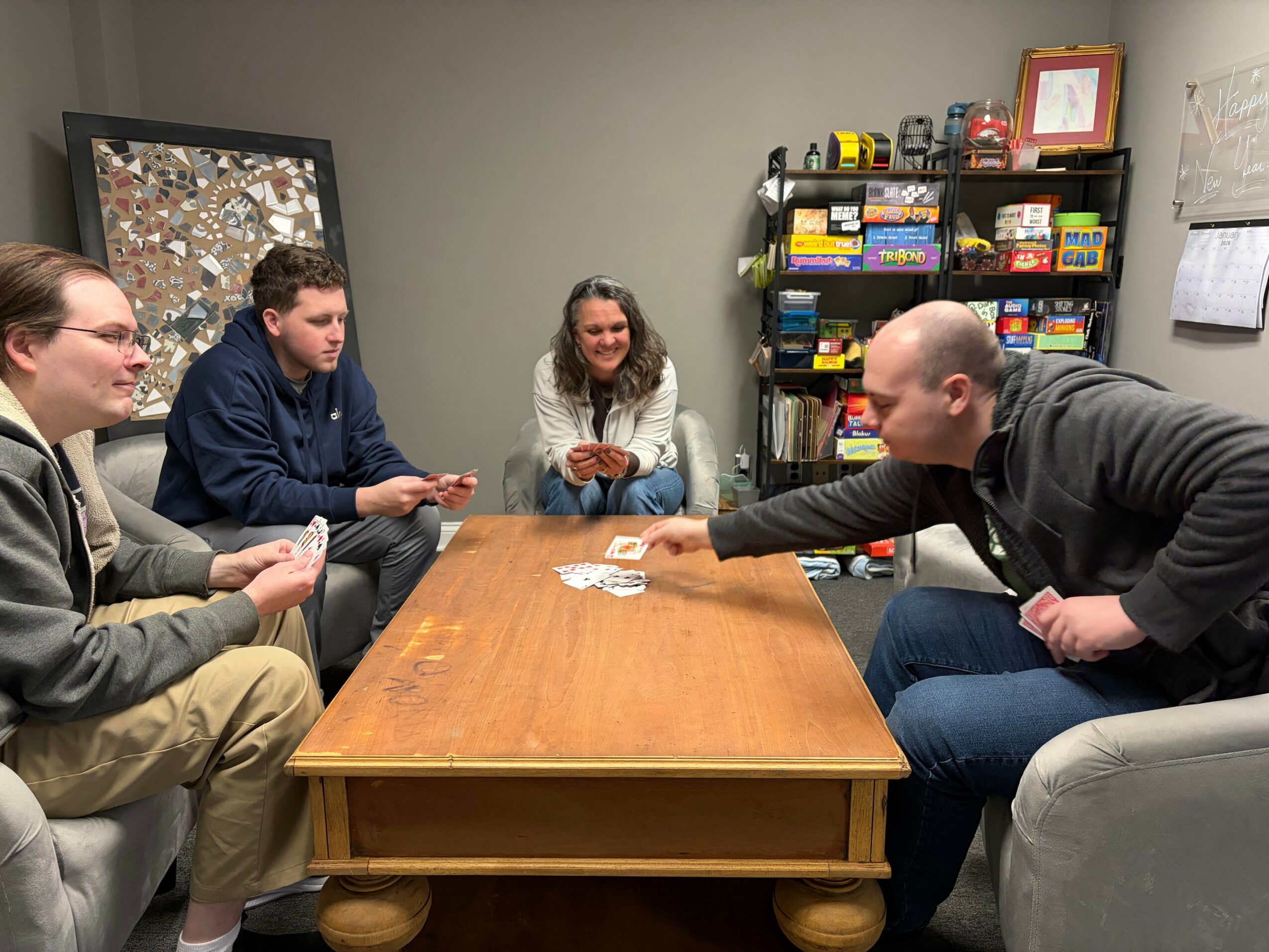
What we do is what sets us apart! EDGE is practical, hands-on, and highly individualized. Our social skills groups do not rely on worksheets, scripts, or “topics of the day.” Instead, we play games, play cards, and we socialize! My Social Skills Groups emphasize peer interactions and organic opportunities to practice social skills. We have a lot of fun—and we also have lot of honest, sometimes difficult, conversation.
All intervention at EDGE occurs in an unstructured, natural way within a clearly defined framework (this is explained at length in my book, Not Autistic Enough). In a nutshell: At the foundation are guiding principles I refer to as Social Truths, which set the tone and help participants understand and accept some realities of social interaction. Within that foundation are areas of focus that guide intervention, these I call Key Concepts. These areas are addressed every session with every individual as the need arises. Then, the real work happens, because when social needs arise it’s usually because of a lack of understanding about the small social nuances we all have to figure out. Things like humor (when is it appropriate and when is it not), boundaries (work relationships versus personal) and sarcasm (yikes!).
So, we dig into the social nuances, we talk about them but more importantly – we practice them. This flexibility within the structured framework makes the social skills intervention relevant which then results in generalization of the skills outside the therapy room.
What I am most proud of is that EDGE is a safe space. Many Group participants carry years of frustration, hurt, and (understandably) protective walls. Over time, they trust me enough to let those walls down. That trust creates the freedom to work on social skills that are truly difficult—skills that have often had real and sometimes painful consequences. Many participants tell me, “I offend people and I don’t even know why.” That is a hard way to move through the world, and I am proud that they know EDGE is a safe space to not only learn the “why” but practice the social skill and work through it.
Brand-wise, I am most proud that EDGE is different. It was built out of a need—not from a business plan or a desire to copy an already existing program. I’ll never forget a participant telling me she graduated at the top of her class with no friends. That’s just not okay with me and moments like that shaped this work. We’re a little different and we know it – and when we see a need in our community, we don’t think about it too much, we just try to fulfill it. EDGE is unapologetically different, and I’m proud of that.
What I want readers to know is that the people and the families I work with are awesome. They are also often misunderstood, they struggle with social nuances, and the messages they convey many times does not match their intent. And… they are kind, funny, smart, empathetic, and are quite simply remarkable individuals. Supporting them—and truly getting to know them—is both an honor and a privilege.
What makes you happy?
My faith, my family, and my dogs, drumsticks and blue fingernail polish all make me happy!
My faith keeps me grounded and give me the anchor I need because I this game of life, I don’t have it all figured out.
My family is messy and imperfect, but they are my favorite people. My family are friends.
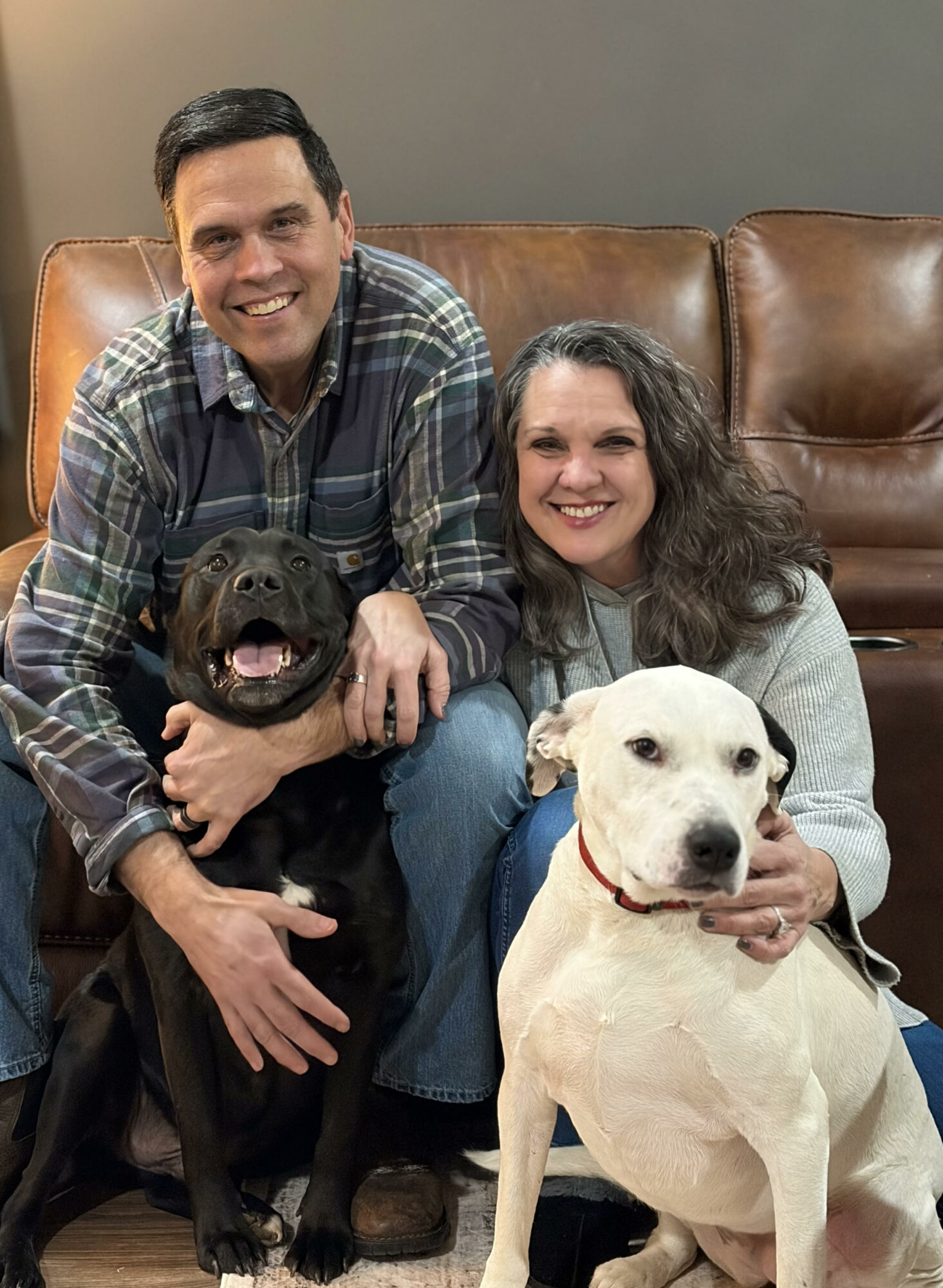
And then there are my dogs Oso & Sadie who my son says are spoiled rotten. We don’t disagree…. it happens when you become empty-nesters!
Drumsticks! Let me tell ya, we got some over fall break knowing we’d have 20-somethings coming in and out of the house. They ate none, I’ve been eating one a night since then!
And yes, blue nails, not sky blue, it has to be like new blue jeans blue – super dark so it can almost be mistaken for gray. I don’t know why but when my nails are done and coordinate with my jeans I feel like I have my life together!
Pricing:
- Participating in a Social Skills Group is $70/session.
- 1:1 Intervention or Consultation with me is $120/hour
- For now, enrollment into my Pilot Virtual Workshop Series is $100. This price will be increasing mid-spring of 2026.
Contact Info:
- Website: https://www.edgeapproach.com
- Instagram: https://www.instagram.com/edgeapproach/
- Facebook: https://www.facebook.com/profile.php?id=61571614431969
- LinkedIn: https://www.linkedin.com/in/michelle-micki-benoit-6a68b3238/
- Other: Subscribe to my monthly newsletter: https://edge.myflodesk.com/s10ntpam6m