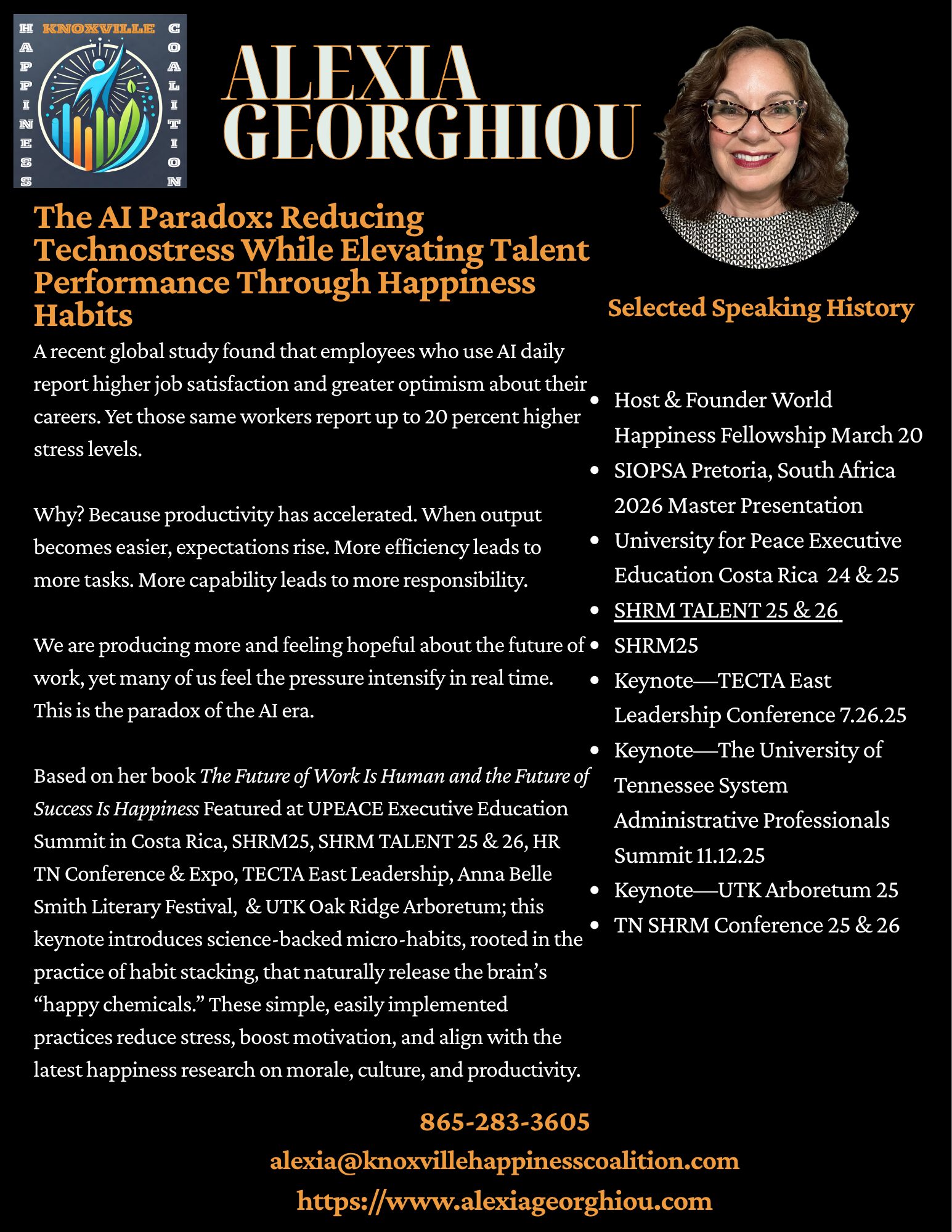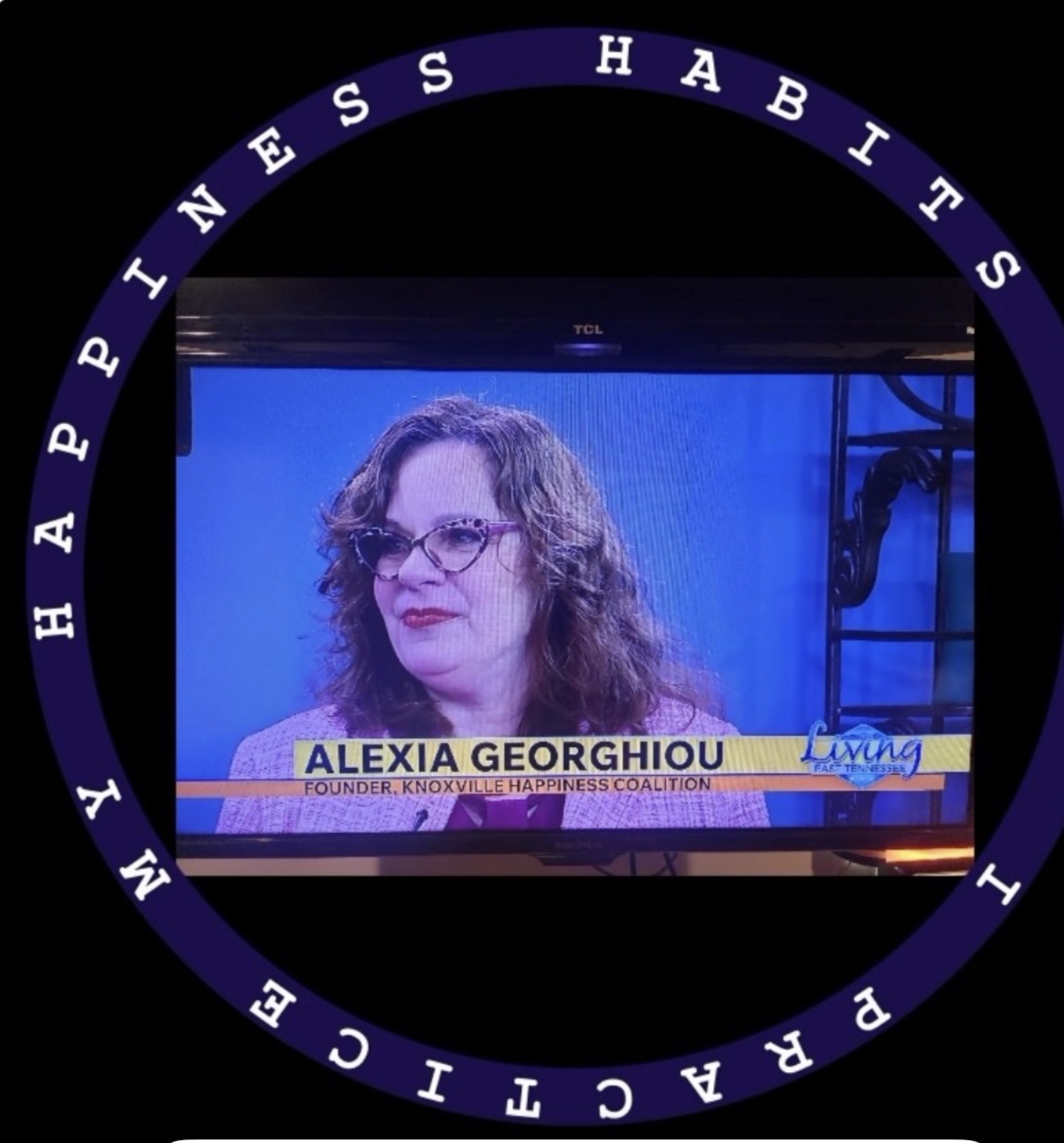
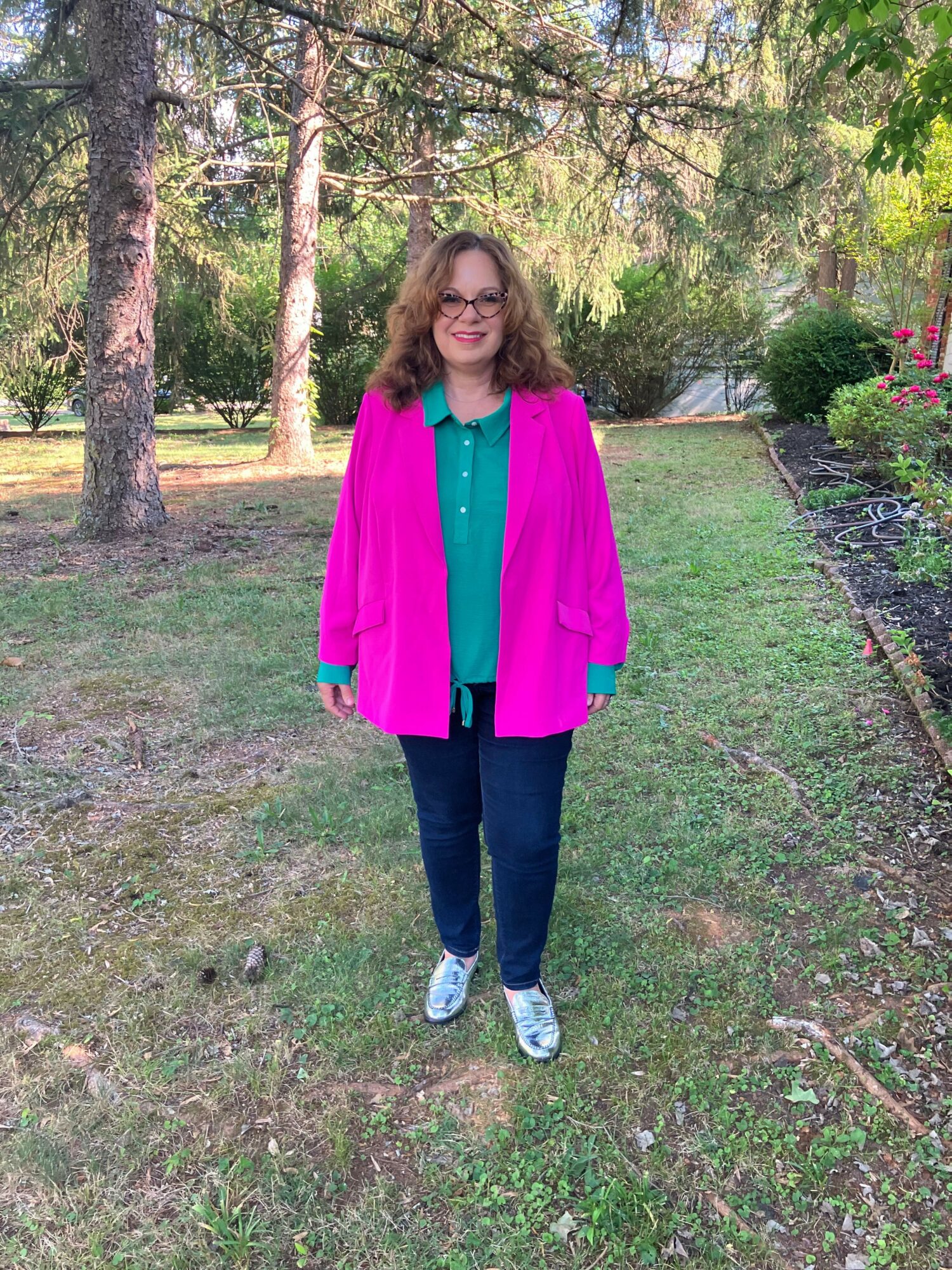
Today we’d like to introduce you to Alexia Georghiou.
Hi Alexia, please kick things off for us with an introduction to yourself and your story.
I didn’t start with a business plan. I started with a question I couldn’t stop asking.
Why are so many smart, talented people miserable at work?
I spent 30 years inside organizations — as a mental health therapist, program coordinator, consultant, professor, and a keynote speaker — watching leaders pour money into strategy, technology, and restructuring while their people quietly burned out, checked out, and walked out. I sat in boardrooms where executives celebrated record productivity while their best employees were updating their résumés in the parking lot.
I have family in Cyprus. I grew up between cultures, between languages, between worlds that didn’t always fit together neatly. That taught me something early: belonging isn’t automatic. Connection isn’t a given. You have to build it; intentionally, repeatedly, and with courage.
That understanding became the foundation of everything I do now as a keynote speaker on happiness and human performance.
But the chapter that changed everything; the one that turned me from someone who studied happiness into someone who could stand on a stage and speak about it with full authority, was becoming a caretaker.
My father was a Professor of Physics Emeritus at the University of Tennessee, Knoxville. A brilliant man. He was diagnosed with Lewy body dementia, and overnight, everything shifted. I became a caretaker — alongside my mother — while still building a career, still showing up, still trying to hold the shape of a life that no longer fit the mold I’d planned. Lewy body dementia is not a gentle decline. It is unpredictable, disorienting, and relentless. You grieve the person while they’re still in the room. You learn a kind of presence that no leadership book teaches; the presence of staying when there is no fixing. My father passed in 2015, and that loss carved something into me that I carry into every keynote I deliver: the understanding that happiness is not the absence of suffering. It lives alongside it. It moves through it.
After he passed, my mother began to find her footing again. A little more freedom. A little more space to breathe. And then in 2019, she was diagnosed with cancer. And then; as if grief operates on its own calendar, the pandemic arrived. The world shut down. I was processing loss, supporting my mother through treatment, and watching every system I’d spent my career studying — workplaces, communities, human connection — fracture in real time. There was no playbook for any of it.
That season didn’t sideline me. It became the reason I speak. It was in the middle of all of it; the grief, the caregiving, the uncertainty — that I began to lean into the deepest question of my career: Can we be happy in suffering? Not after it. Not despite it. In it. I brought that question to every stage, every audience, every room I walked into. And something shifted. The question landed. People didn’t just hear it; they felt it. It gave them permission to stop pretending they had to choose between being strong and being human. That is how my keynote on happiness evolved; not from a textbook, but from the hardest classroom there is: real life. And audiences love it, because they recognize the truth in it. Happiness through suffering is not a contradiction. It is the most honest thing I know. And it is the message I was built to deliver.
Can you talk to us a bit about the challenges and lessons you’ve learned along the way. Looking back would you say it’s been easy or smooth in retrospect?
I think people expect a single defining obstacle; one wall you hit, one moment you almost quit. But the truth is, the obstacles that shaped me most weren’t dramatic. They were structural. They were the quiet assumptions other people carried about who I was supposed to be and what I was supposed to want at this stage of life.
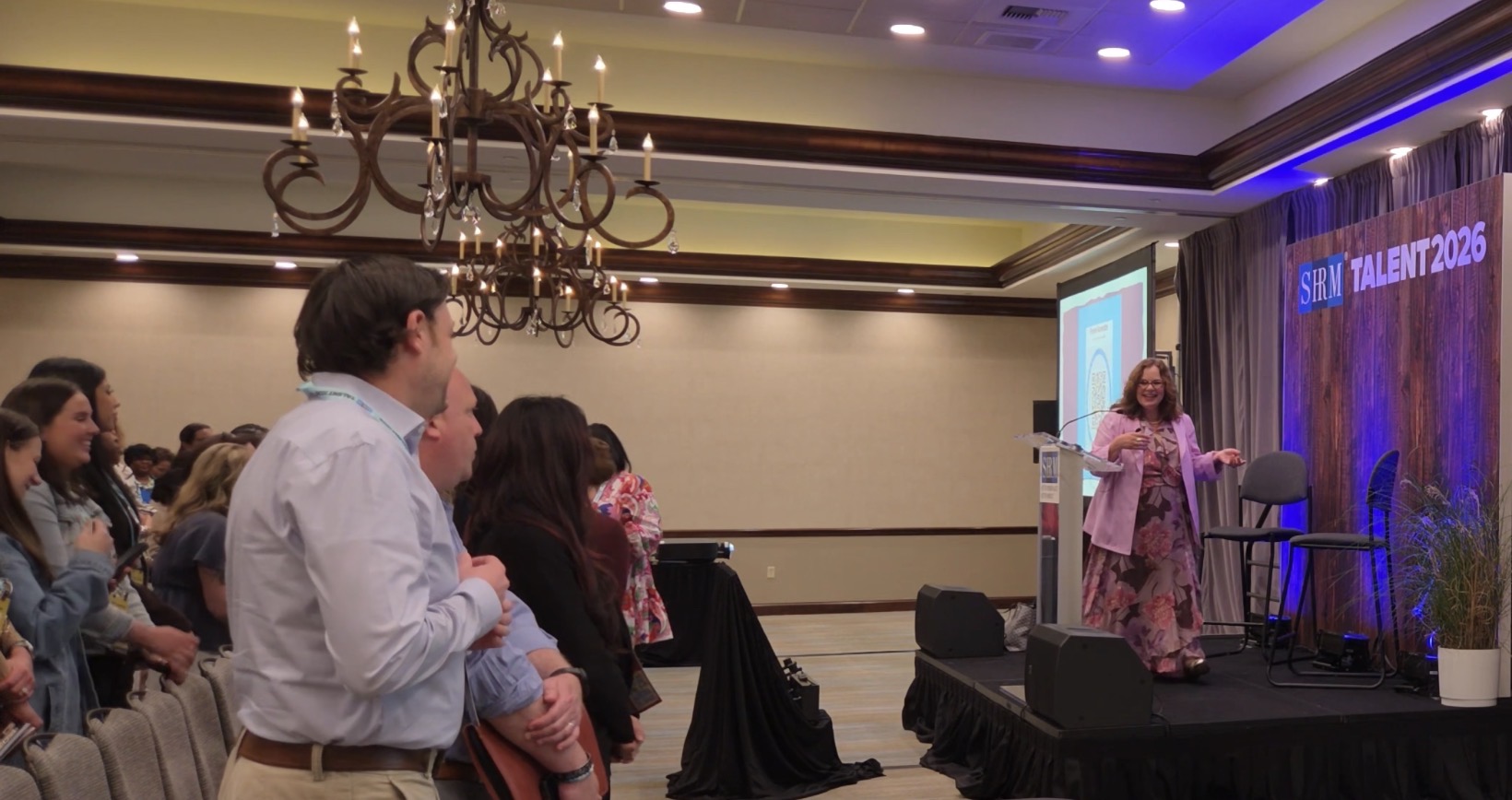
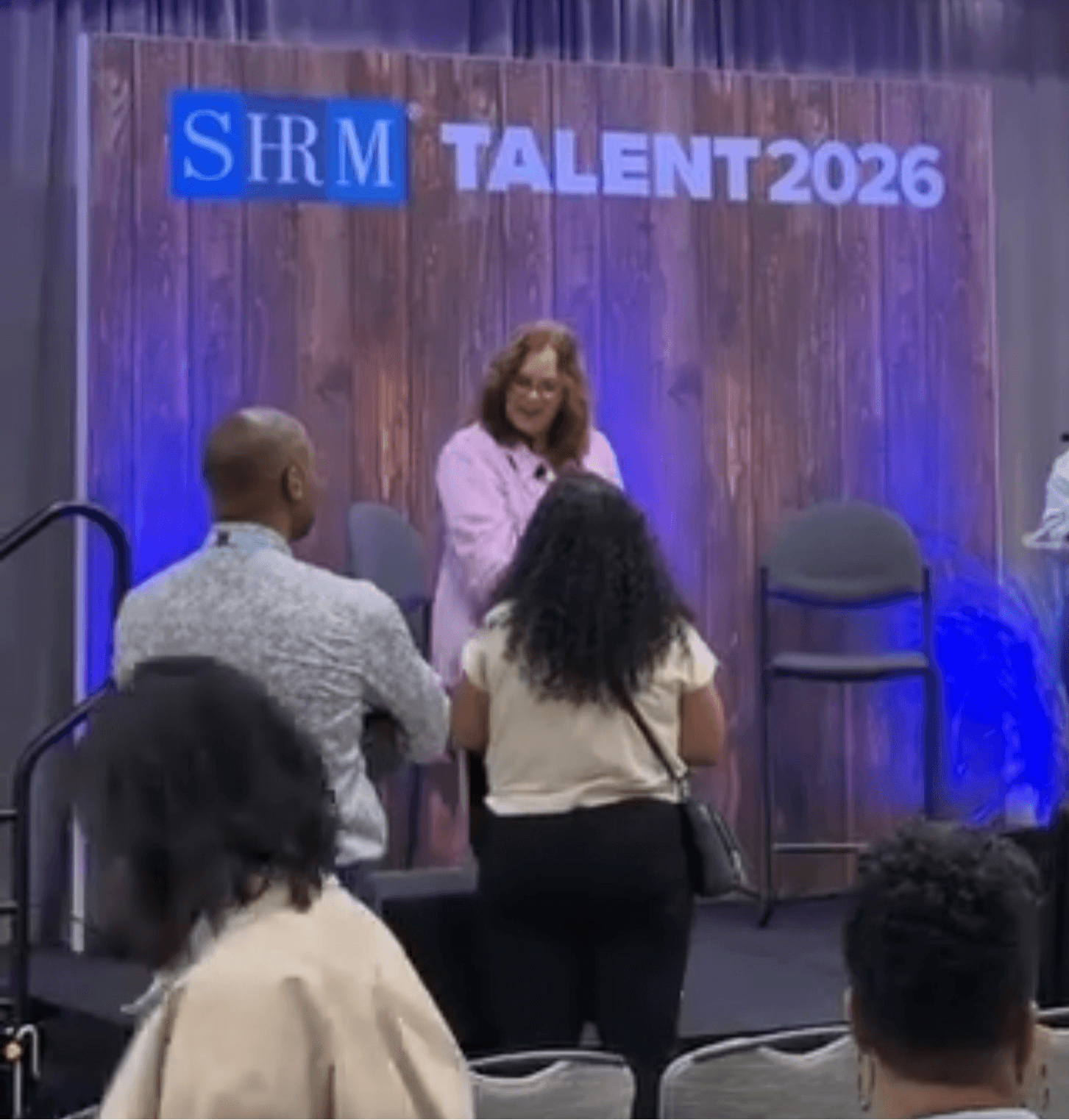
I founded the Knoxville Happiness Coalition at 50. Not at 28 with a pitch deck and a hoodie. At 50, with decades of experience, a grown perspective on what workplaces actually do to people, and zero interest in waiting for permission. Society had a script for me at that age, to slow down. I didn’t audition for that role. Instead, I wrote a book, earned recognition from SHRM, spoke on international stages, and began teaching executive presence at the university level. I didn’t do those things despite being 50. I did them because everything I’d lived through by 50 gave me something a younger version of myself simply didn’t have yet; clarity about what matters and the courage to stop pretending otherwise.
That’s the thing about happiness through suffering; it’s not a contradiction. It’s a credential. Every keynote I deliver carries the weight of someone who didn’t just study resilience. I lived it. And audiences feel the difference immediately.
The second obstacle is one most professionals at my level won’t say out loud, so I’ll just say it: I went through menopause while building a business, writing books, and speaking on stages. There’s no playbook for that. There’s no chapter in the entrepreneurship guides that says, “And here’s how to deliver a keynote when your body is rewriting its own operating system.” I didn’t just endure it; I studied it, I wrote about it, and I published on it. My piece Menopause Matters ran in HR Pulse through ASHHRA, because if we’re going to talk about workplace well-being, we cannot keep ignoring what half the workforce actually experiences. Naming it wasn’t brave for the sake of being brave. It was necessary. And the response told me that a lot of people had been waiting for someone in this space to finally say the word.
The third obstacle is the one that never fully goes away: there was no safety net. No venture capital. No corporate sponsor. No inherited platform or family business to fall back on. Every stage I’ve stood on, every client I’ve served, every framework I’ve built; it started with conviction and a willingness to do the work before anyone was watching. I think that’s the obstacle people romanticize the least, because it’s not a single moment of adversity. It’s the daily act of choosing to keep building when no one has guaranteed the floor beneath you. That reality connects me deeply to every founder, every solo leader, every person in an audience who is carrying more than anyone around them knows.
That’s why event planners trust me with their most important rooms. I’m not performing happiness from a script. I’m speaking from a life that earned every word.
Great, so let’s talk business. Can you tell our readers more about what you do and what you think sets you apart from others?
I am the Happiness Architect.
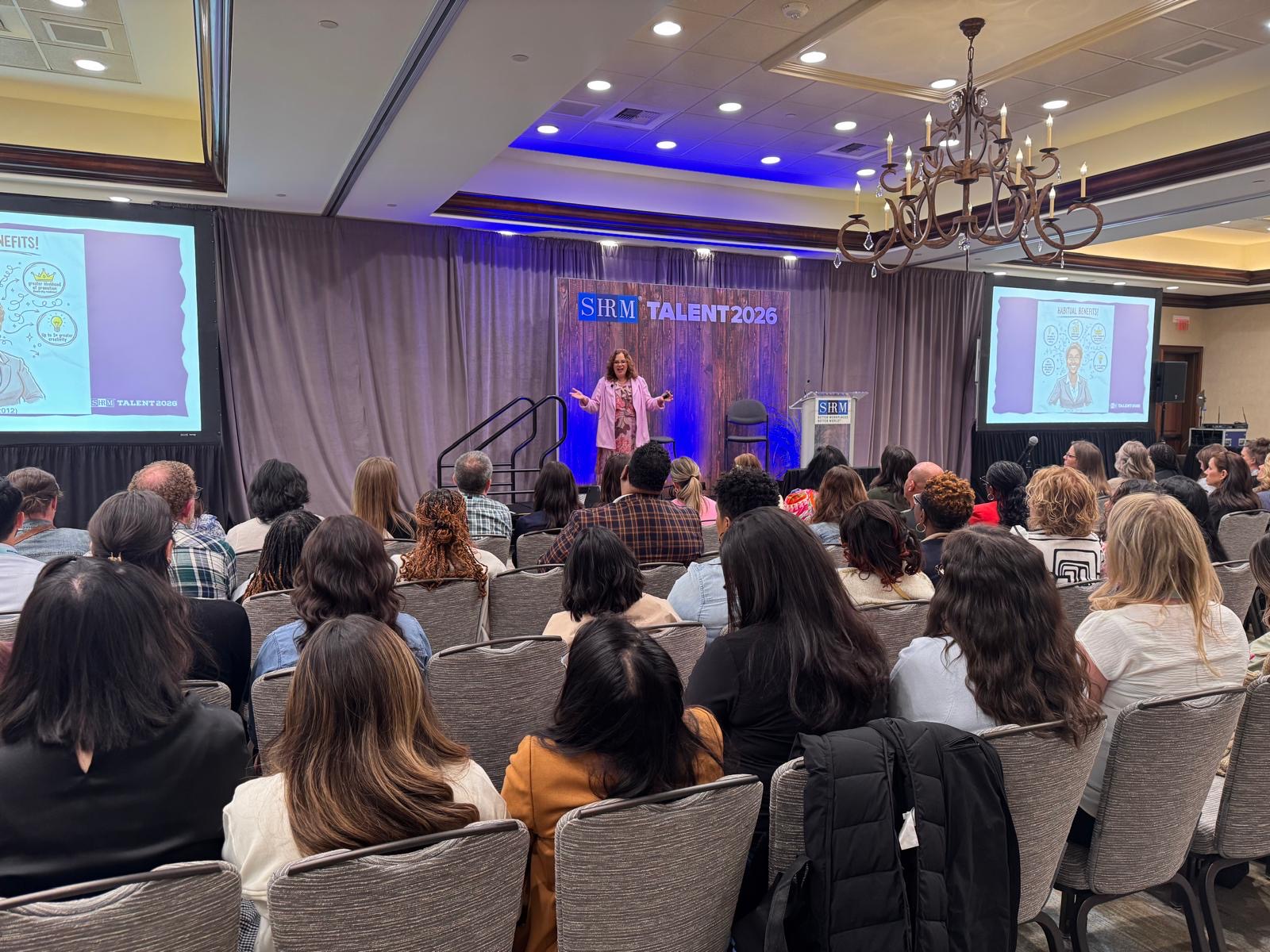
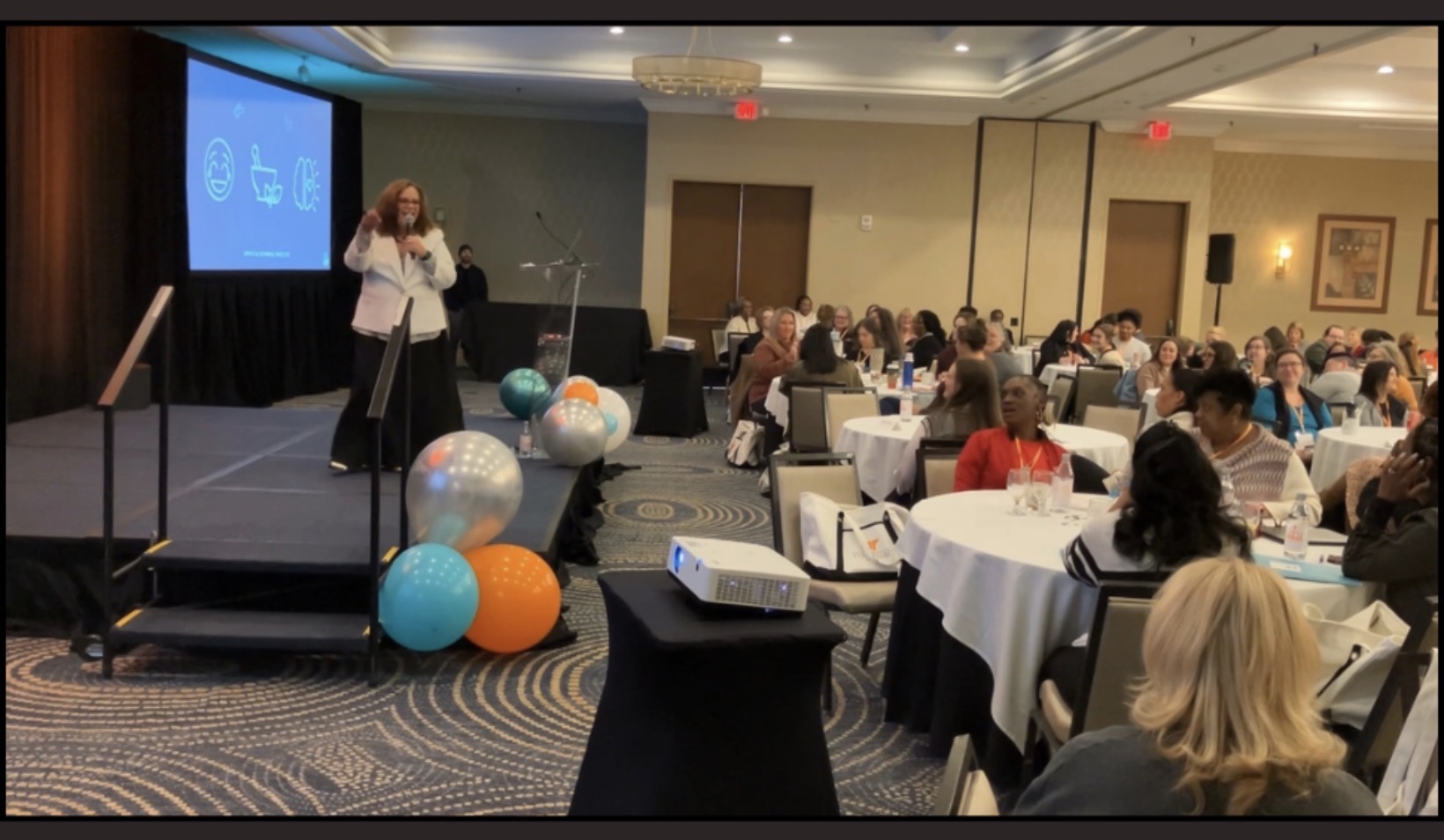
I design keynote experiences — not keynote speeches — for audiences to solve their pain points in real time. When an event planner books me, they’re not hiring a motivational speaker. They’re hiring the person who will walk into a room full of executives, healthcare leaders, educators, or HR professionals and make the invisible visible. You can see the room shift. That’s not a tagline. That’s what I do.
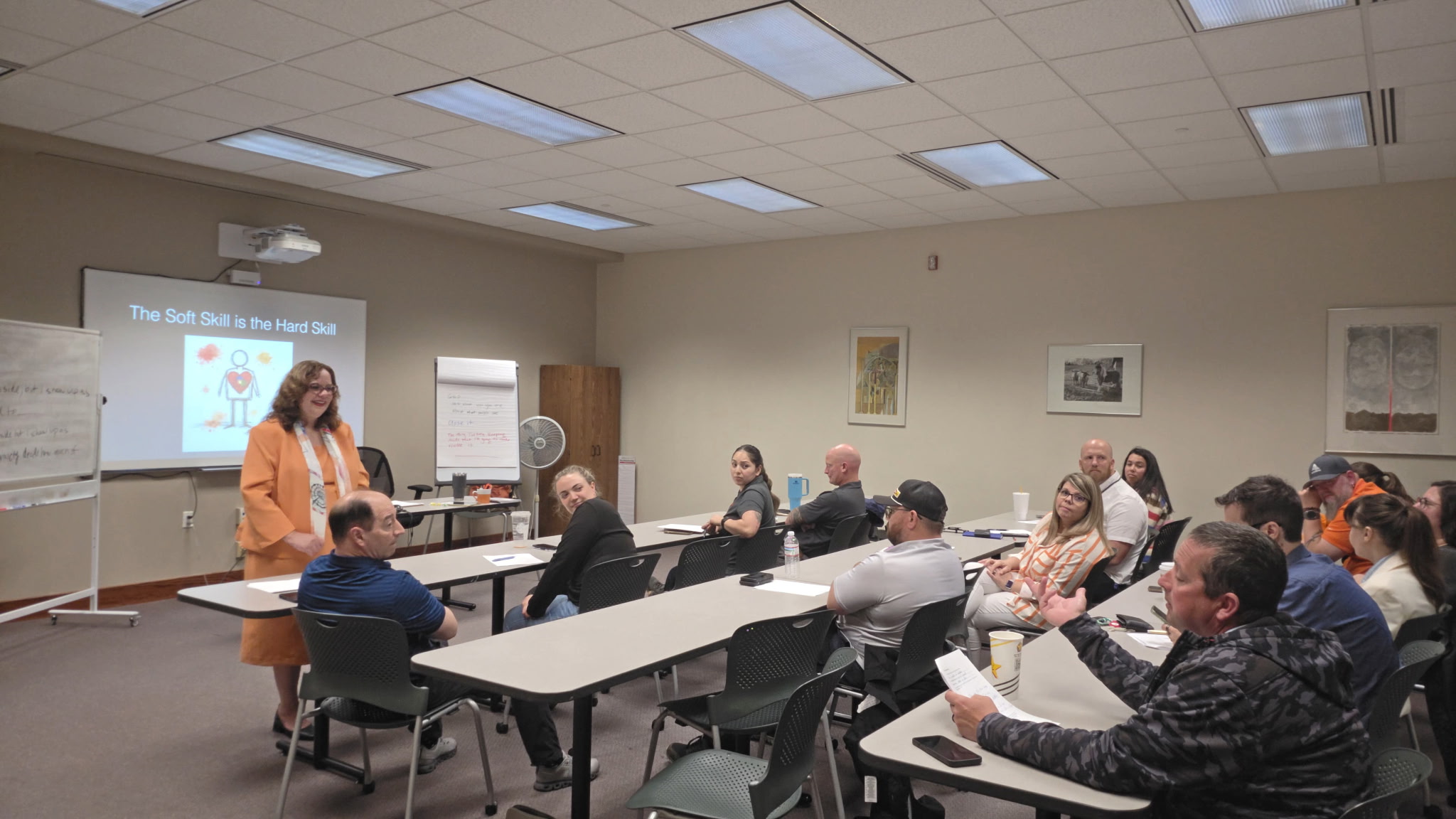
My specialty is executive presence; the place where communication, confidence, and character intersect, with a sweet spot in doing the inner work. I teach this as an adjunct professor at the University of Tennessee, Knoxville, and I bring it to every stage, every boardroom, every leadership retreat I’m invited into. Executive presence isn’t about polish. It’s about alignment. When a leader’s inner world matches their outer authority, people follow; not because of title, but because of trust.
I’m known as the voice of the future of work. I wrote The Future of Work is Human because the future of work conversation was missing the most important variable: the human being. AI is transforming every industry. Automation is reshaping every role. But the organizations that will win the next decade aren’t the ones with the best technology; they’re the ones whose people actually want to show up. That’s the gap I fill. That’s the keynote I deliver. That’s the shift event planners see when I’m in the room.
I developed the V.A.L.U.E.S. Model — Vision, Action, Leadership, Unity, Engagement, Synthesis — as a framework for coaching leaders to align performance with purpose. It’s not a poster on a wall. It’s a working system that helps leaders make decisions, build teams, and sustain cultures that don’t collapse the moment pressure arrives. I also created the Happiness Habits Method and The Connection Meter — a real-time verbal tool I use during experiential keynotes to measure shifts in audience engagement, emotional connection, and shared presence as they happen. Most speakers talk about connection. I measure it in the room.
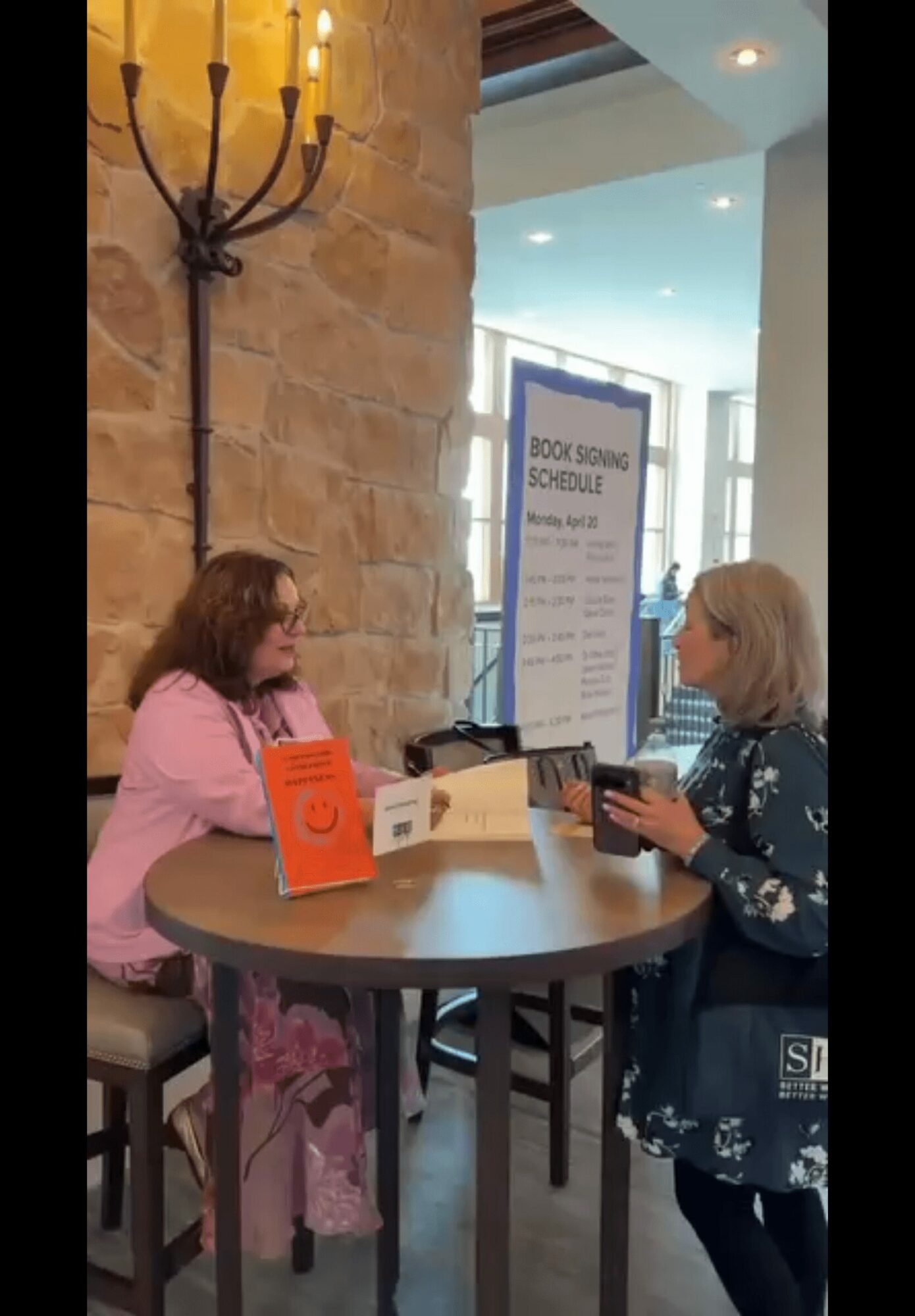
I lead the Knoxville Happiness Academy — a SHRM-accredited leadership development program recognized by the Society for Human Resource Management to offer Professional Development Credits for SHRM-CP® and SHRM-SCP® recertification through both self-paced online and in-person programs. That distinction matters. It means the work I do isn’t aspirational, it’s accredited. It counts toward the credentials that HR professionals and leaders already invest in.
What I specialize in is the intersection most organizations avoid: the place where culture, leadership, and human wellbeing meet business performance. I don’t treat those as separate conversations. My focus areas include organizational culture transformation, psychological safety leadership, executive communication, future of work education, and human-centered leadership; all built for the age of AI, where the temptation is to optimize everything except the people doing the work.
What sets me apart is this: I solve the problem live. I don’t leave audiences with a list of ideas and a wish. I design every talk so that the audience experiences the shift before they leave the room; in how they see themselves, their teams, and what’s actually possible. Event planners come back to me because their people come back to them and say, “That was the session that changed something.”
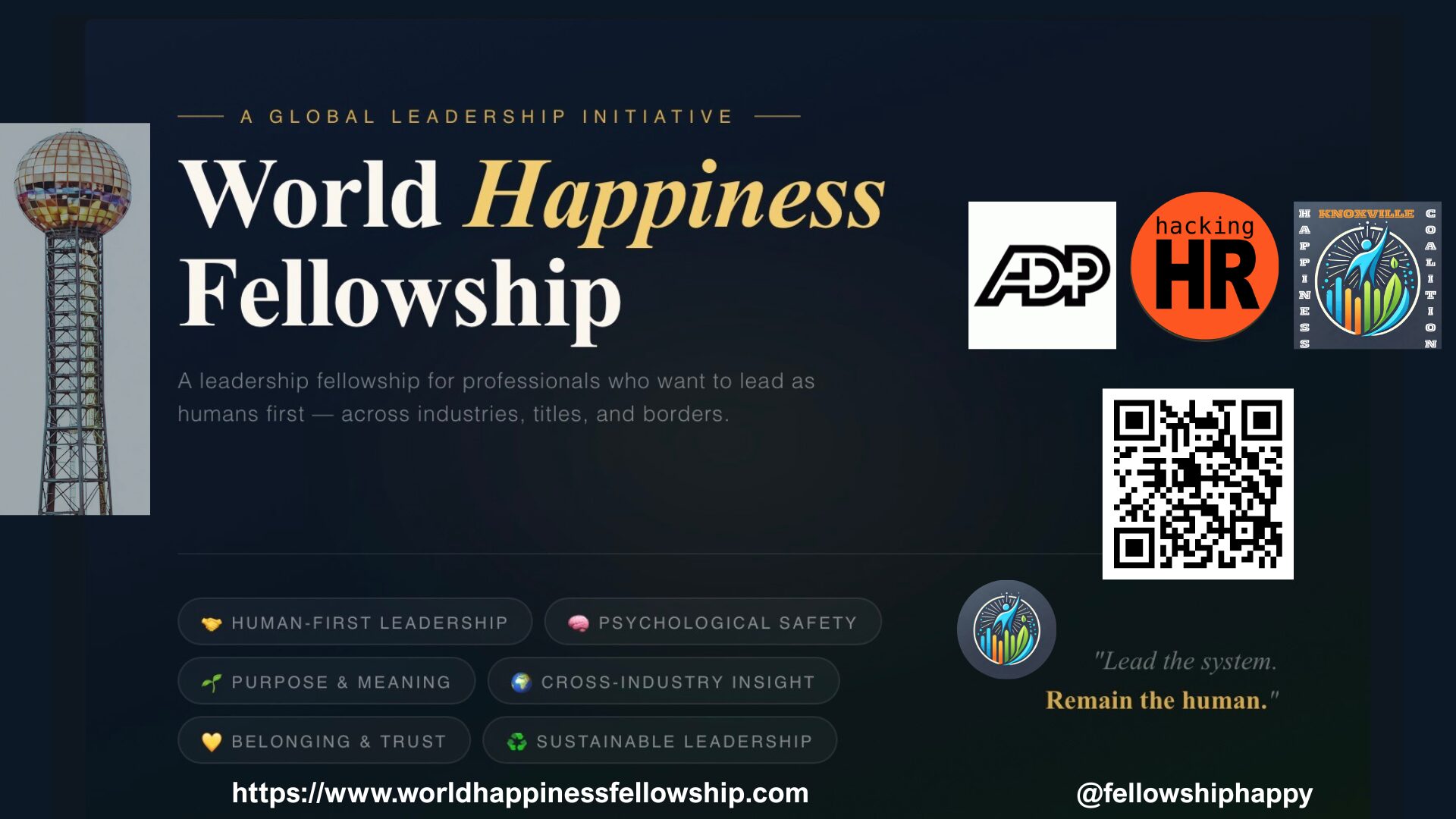
The brand I’m most proud of is the World Happiness Fellowship — the annual International Day of Happiness event I founded, held every March 20 in Knoxville. It brings together a cross-section of leaders from healthcare, finance, automotive, education, nonprofit, and entrepreneurship; C-suite executives sitting beside emerging leaders, titles off, humanity first. Our 2026 inaugural event featured speakers including Dr. Elia Gourgouris who also was a keynote for this year’s WOHASU, Kim Black former PwC Director of Wellness for USA and Mexico, Mark Greig UTK Principal AI Architect, and Enrique Rubio CEO of Hacking HR; with sponsorship from ADP who is very aligned with our mission as they always design for people. The 2027 Fellowship will include Dr. Alphonsus Obayuwana, whose hope measurement scale was funded by the National Institutes of Health and utilized by Fortune 500 companies. His book, The Happiness Formula, was listed as Forbes top 5 books to read in 2024 for the high achiever. We will actually measure happiness in the room. That’s not a metaphor. That’s the agenda.
The Fellowship isn’t a conference. It’s a pause. A retreat-style experience for leaders who are carrying a lot and want to leave resourced, grounded, and clear. And it connects directly to the Knoxville Happiness Coalition’s year-round membership community; monthly academy sessions, monthly gatherings, and a network of people committed to applying the science of human thriving in the places they already lead. Save the date March 20, 2027 for Saturday Breakfast Seminar here in Knoxville.
What I want your readers to know is this: happiness at work is not a soft skill. It’s a performance strategy. Research shows that teams operating from a positive cognitive state see roughly 31% more productive energy, 37% higher sales performance, up to three times greater creativity, and a 23% reduction in the negative effects of stress; and those gains persist months after the habits are practiced. We’re not asking organizations to be nicer. We’re showing them that the next competitive advantage may not be technology. It may not even be strategy. It may simply be this: understanding how humans actually thrive.
That’s what I exist to teach. And I’m just getting started.
Who else deserves credit in your story?
I learned how to be happy in suffering from my mother. She didn’t teach it as a philosophy. She lived it; standing beside my father through Lewy body dementia, rebuilding after his death, facing her own cancer diagnosis, and still finding reasons to show up with warmth. That’s not resilience as a concept. That’s resilience as a daily practice. Everything I know about endurance, I watched her do first.
I learned about faith from my father. A Professor of Physics Emeritus at the University of Tennessee, Knoxville — a man who spent his life in pursuit of understanding — and when Lewy body dementia began to take everything from him, he kept the faith. In the midst of illness, in the middle of confusion and loss, he held onto something that no diagnosis could reach. That taught me more about happiness than any research ever could.
Teaching executive presence at UTK brought my parents’ influence full circle. When I keynoted the UT System Administrative Professional Summit in 2025, my mother was proud. My father — who gave his career to that university — never got to see it. But everything he poured into me was on that stage with me. I felt it. And I think the audience did too.
Dr. Shirley Raines deserves her own paragraph, because she earned it. She grew up on a cotton farm in West Tennessee. She started as a kindergarten teacher. She directed Head Start in Knox County. She built her career across multiple university faculties before becoming the first woman president of the University of Memphis, serving from 2001 to 2013. A UT Knoxville alumna. A Tennessee Women’s Hall of Fame inductee; recognized as personable, powerful, and prepared. Shirley didn’t mentor me from a distance. She believed in the Knoxville Happiness Coalition when it was still forming, before there was proof of concept beyond my own conviction. She didn’t need a business plan. She saw the work, understood what it could become, and said so; clearly, directly, and at a time when that kind of belief from someone who had walked a version of my path meant everything.
Contact Info:
- Website: https://www.knoxvillehappinesscoalition.com/
- Instagram: https://www.instagram.com/agilempath
- LinkedIn: https://www.linkedin.com/in/agilempath