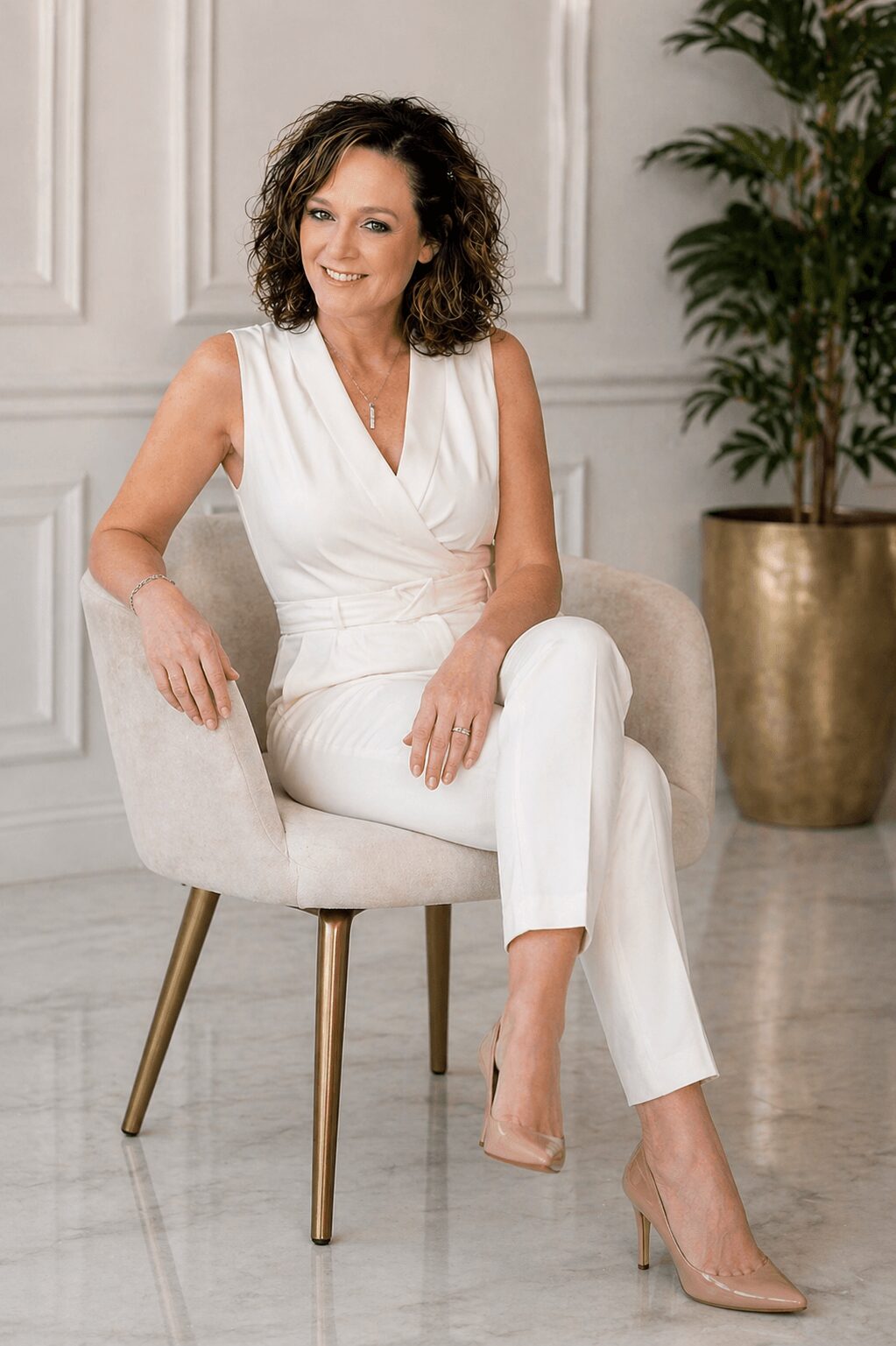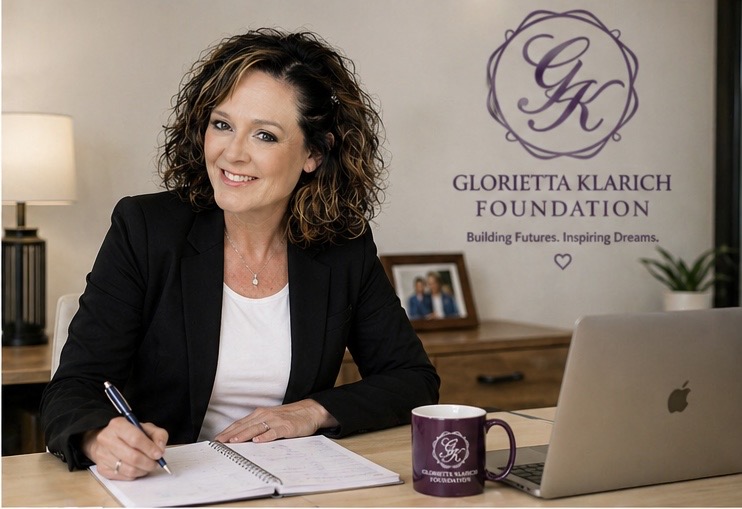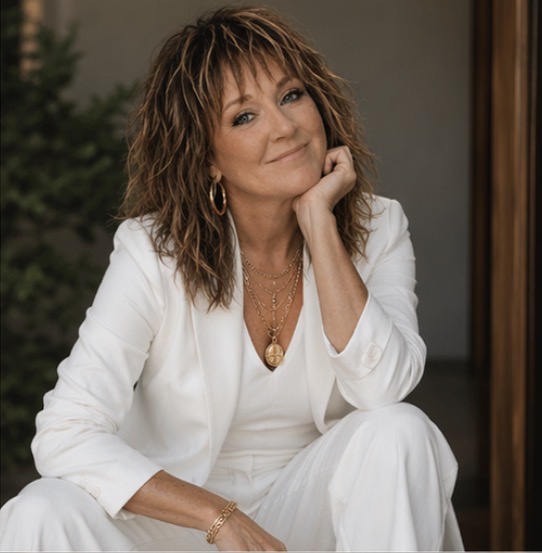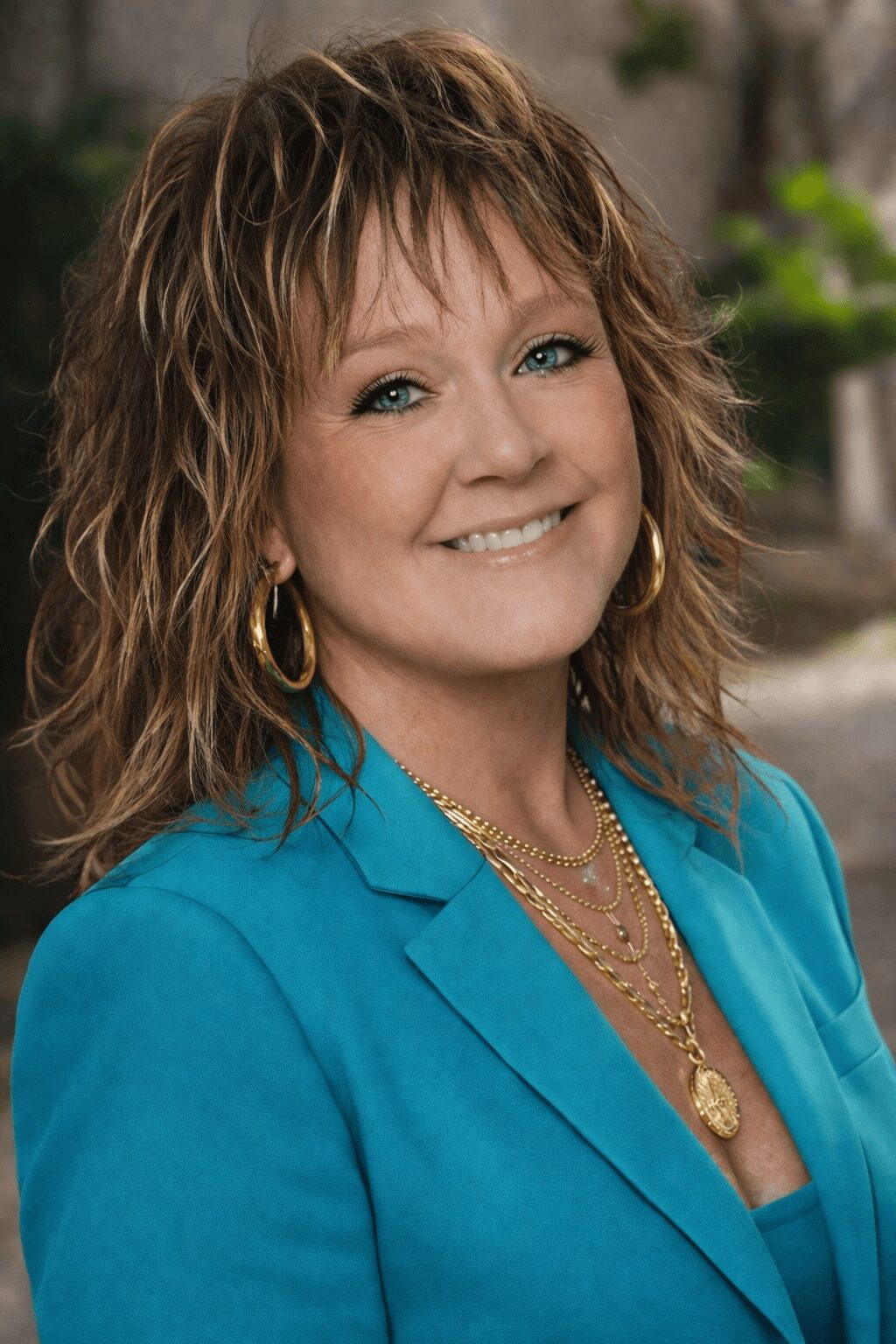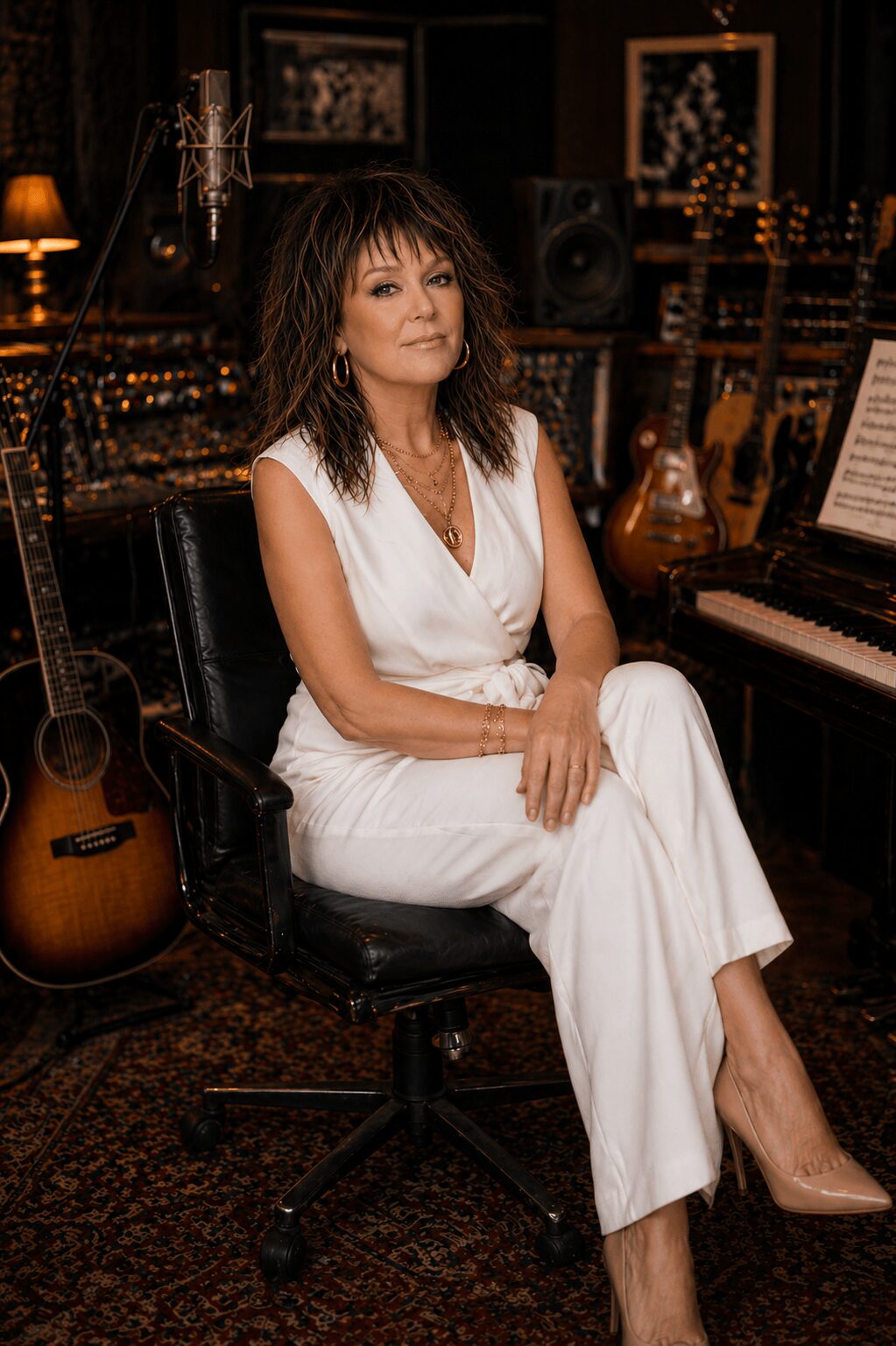
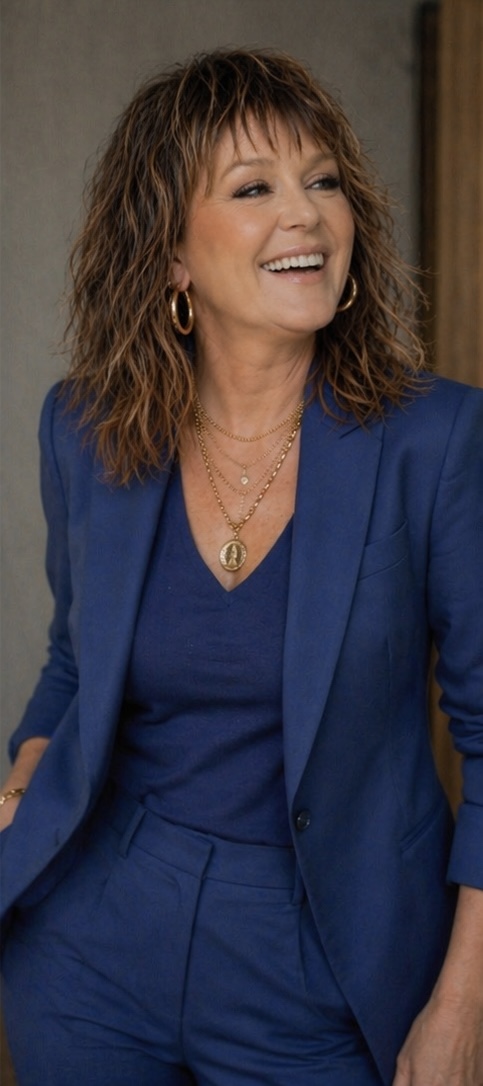
Today we’d like to introduce you to Kari Cook.
Hi Kari, thanks for joining us today. We’d love for you to start by introducing yourself.
I spent two decades on the front lines of social work and child advocacy, but my story reached a defining ‘before and after’ moment when I lost my mentor and mother figure, Glo Klarich. Glo didn’t just believe in the power of music; she lived it. When she passed, I realized that a legacy only lives on if someone is willing to do the work to carry it forward. Her loss was the catalyst that pushed me past ‘someday’ and into a mission of absolute necessity.
While I have spent my entire career within the nonprofit sector, this transition allowed me to finally merge my professional clinical lens with the therapeutic power of the arts. I’ve realized that for many of the children I’ve served over the last 20 years, traditional intervention only goes so far; they need a different kind of language to process their experiences—one that music uniquely provides.
Today, I am driven to carry forward Glo’s simple, powerful goal: to ensure every child has the opportunity to have music in their life, regardless of their zip code. Whether it is through the work of my foundation or helping other nonprofits architect their own frameworks through my consulting, I am dedicated to turning trauma into harmony and ensuring that musical empowerment reaches the children who need it most.
Living and working in Knoxville made this mission feel even more intuitive, as this city is incredibly rich in music, musicians, and raw talent; it’s woven into the very fabric of our community. Realizing we were sitting on such a powerful, untapped resource for healing, it simply made sense to offer a different approach to therapy—one that steps outside of the traditional clinical setting and taps into the creative energy that defines our city.
By integrating Knoxville’s musical spirit with evidence-based advocacy, I’m able to provide children with a therapeutic outlet that feels less like a ‘session’ and more like a discovery of their own strength.
Recognizing the depth of the need and the potential of our local talent, it became clear that this couldn’t be a part-time effort. I made the decision to lean fully into the development of the program because these children and this mission deserve that level of dedication. Going full-time has been about more than a career shift; it has been about creating the space and the structural foundation necessary to ensure that music becomes a permanent, accessible lifeline for healing across our community.
Can you talk to us a bit about the challenges and lessons you’ve learned along the way. Looking back would you say it’s been easy or smooth in retrospect?
The road has been anything but smooth. While the vision is clear, the reality of navigating state systems and bureaucratic frameworks can be incredibly taxing. Having spent 20 years in child advocacy, I am well-acquainted with how difficult the state can make it to innovate or implement new approaches to care. There is often a significant gap between identifying a child’s need and getting a system to approve a creative solution for it.
Seeing these systemic hurdles firsthand is exactly why I created a consulting business alongside the foundation. I realized that the ‘red tape’ shouldn’t be the reason a good mission fails. By helping other nonprofits build their operational frameworks and navigate those same bureaucratic roadblocks, I’m able to use my experience to ensure that more organizations can actually reach the people they serve. The struggle is real, but it has fueled a dual mission: providing music as a lifeline for children while simultaneously architecting the paths that allow other advocates to succeed within a difficult system.
On a more personal level, one of the most unexpected hurdles has been the digital landscape; sometimes, just getting friends to ‘share’ a post on social media feels nearly impossible. It is a strange paradox to have twenty years of professional credibility and a mission that everyone agrees is vital, yet still struggle for a simple click of support in a crowded feed. It can be disheartening when you are pouring your heart into a cause, but it has taught me that community engagement requires as much strategy as clinical work. These small digital roadblocks have only made me more determined to bridge the gap between awareness and real, tangible action for our kids
Thanks – so what else should our readers know about Glorietta Klarich Foundation ?
The Glorietta Klarich Foundation is a nonprofit born out of a mission to ensure that music is accessible to every child, regardless of their zip code. We specialize in the space where professional child advocacy meets the therapeutic power of the arts. I am particularly proud to have created Clinical Harmony, a specialized initiative that serves as the heartbeat of our organization.
What sets us apart is this unique, dual-lens approach. Because I am coming to this with twenty years of experience on the front lines of social work, Clinical Harmony isn’t just about learning notes on a page; it is about using music as a strategic tool for emotional regulation and trauma-informed healing. We provide children with a creative outlet to process their experiences in a way that traditional clinical settings often can’t reach.
Our mission is centered on equity and providing a specialized sanctuary for healing. We want readers to know that we are here to provide the structure, expertise, and musical resources necessary to ensure that this outlet is a permanent reality for the children in our community who need it most.
Any advice for finding a mentor or networking in general?
When it comes to finding a mentor or networking with purpose, I’ve found that the most effective approach is to look for “unlikely alignments.” It is easy to gravitate toward people who do exactly what you do, but there is immense value in finding a mentor from a completely different sector—like a retired business executive or a creative professional outside of social work. They see the “red tape” from a different angle; while I might see a systemic hurdle, they see an operational bottleneck with a practical solution.
I also believe in the power of “reverse mentorship.” Networking shouldn’t always be about looking “up” to those with more seniority. Engaging with younger professionals or those new to Knoxville’s arts scene provides fresh energy and a better understanding of current community trends. It creates a reciprocal relationship where I can offer twenty years of clinical and nonprofit wisdom, while they provide new perspectives on digital engagement and movement-building. This keeps the mission relevant and ensures we aren’t just talking to the same circle of people.
In a city like Knoxville, networking is most effective when it happens in “third spaces”—at festivals, community outreach events, or local performances where people are in their “passion mode.” It is much easier to discuss the mission of the foundation when you are surrounded by the music and spirit that fuels it. Finally, I’ve learned that the best way to find a mentor is to be the “expert in the room” yourself. By offering my own knowledge through consulting and workshops, I’ve found that high-level mentors are naturally drawn to those who are already actively working to lift others up. Consistency and clarity of intent are what truly turn a brief introduction into a lifelong professional bond.
Contact Info:
- Facebook: https://www.facebook.com/Gloklarichfoundation?
- LinkedIn: https://www.linkedin.com/in/kari-cook-mps-bsis-cgcs-ca-7513a1391
- Other: https://lnk.bio/gloklarichfoundation