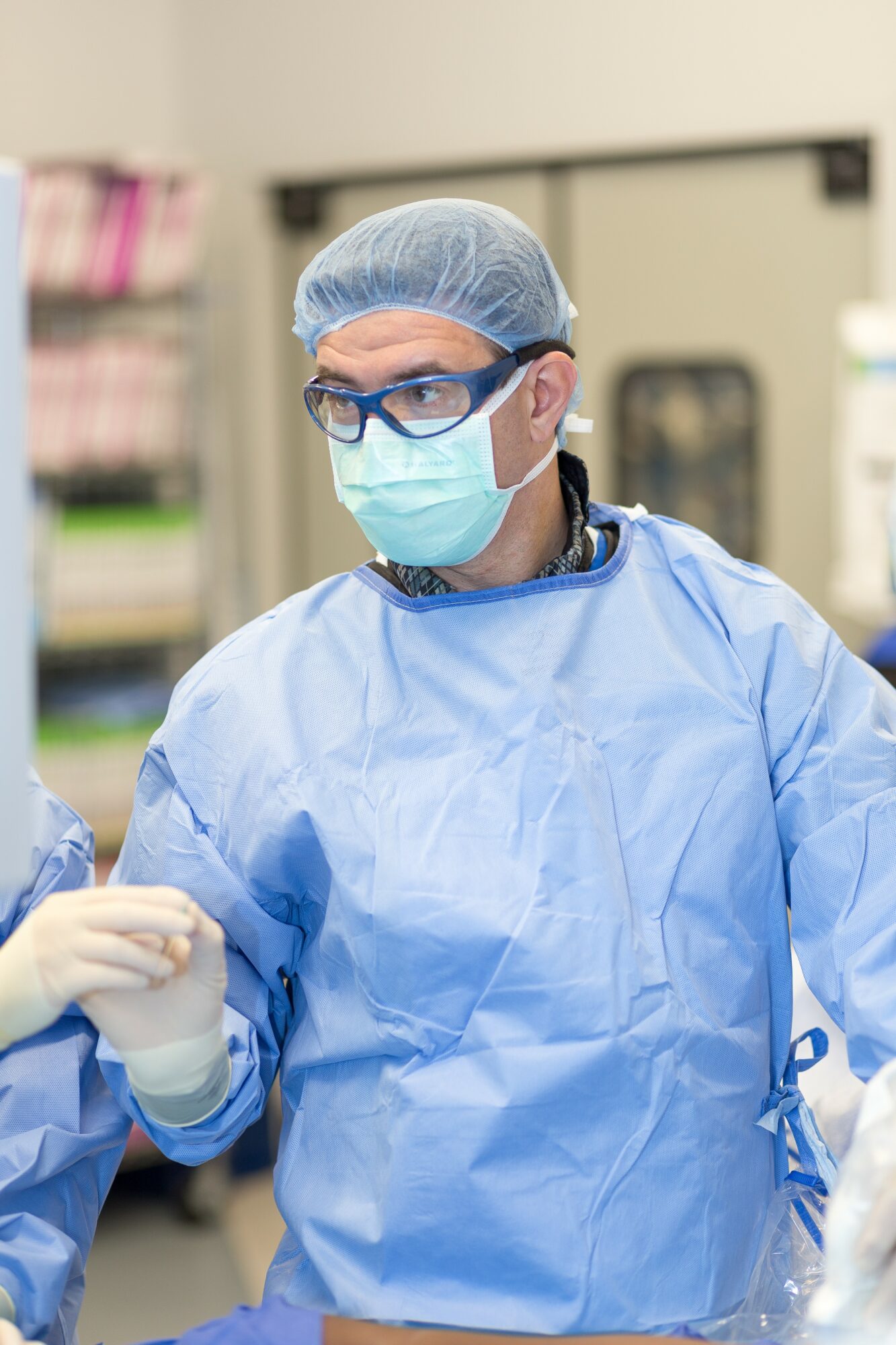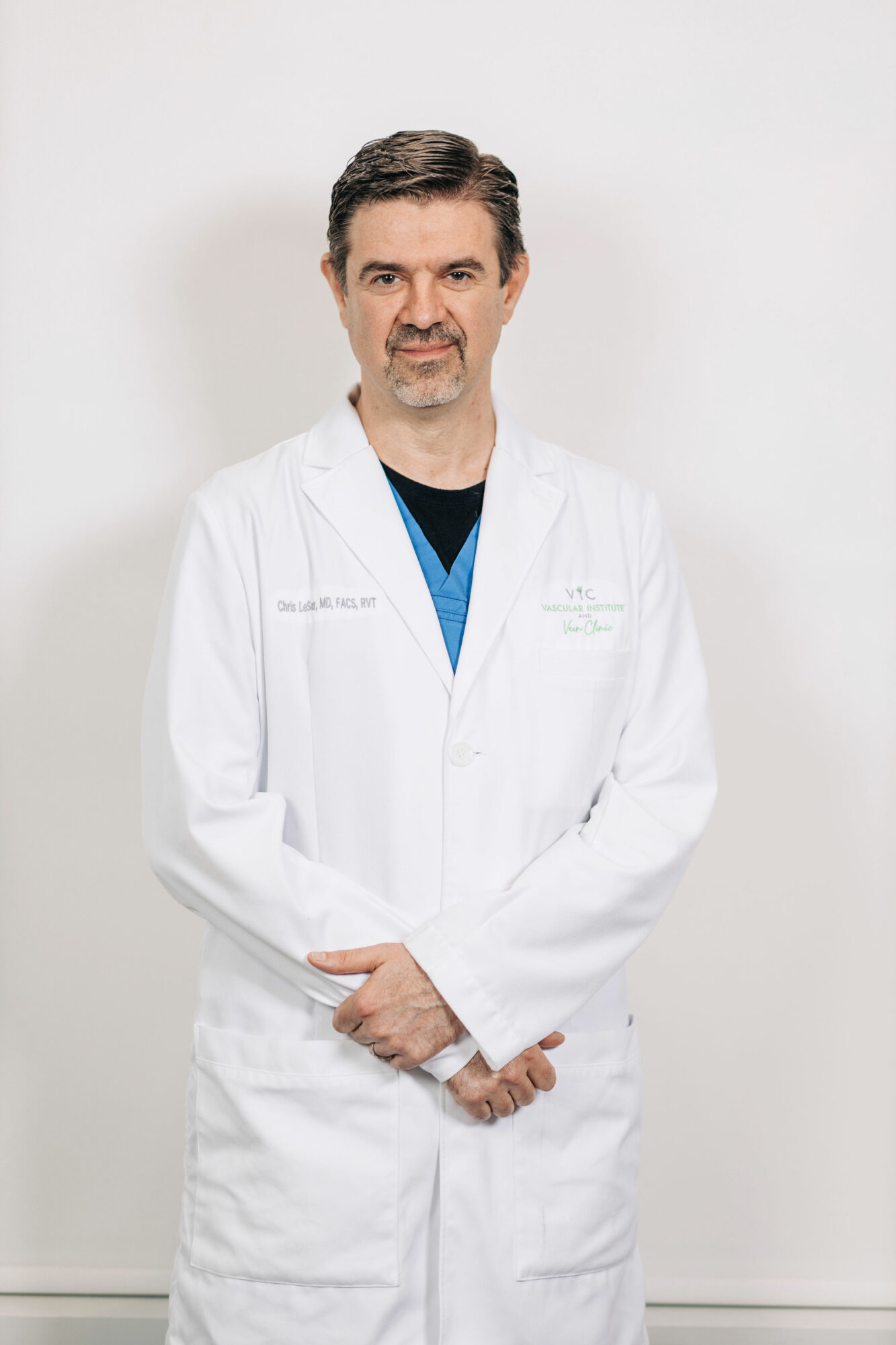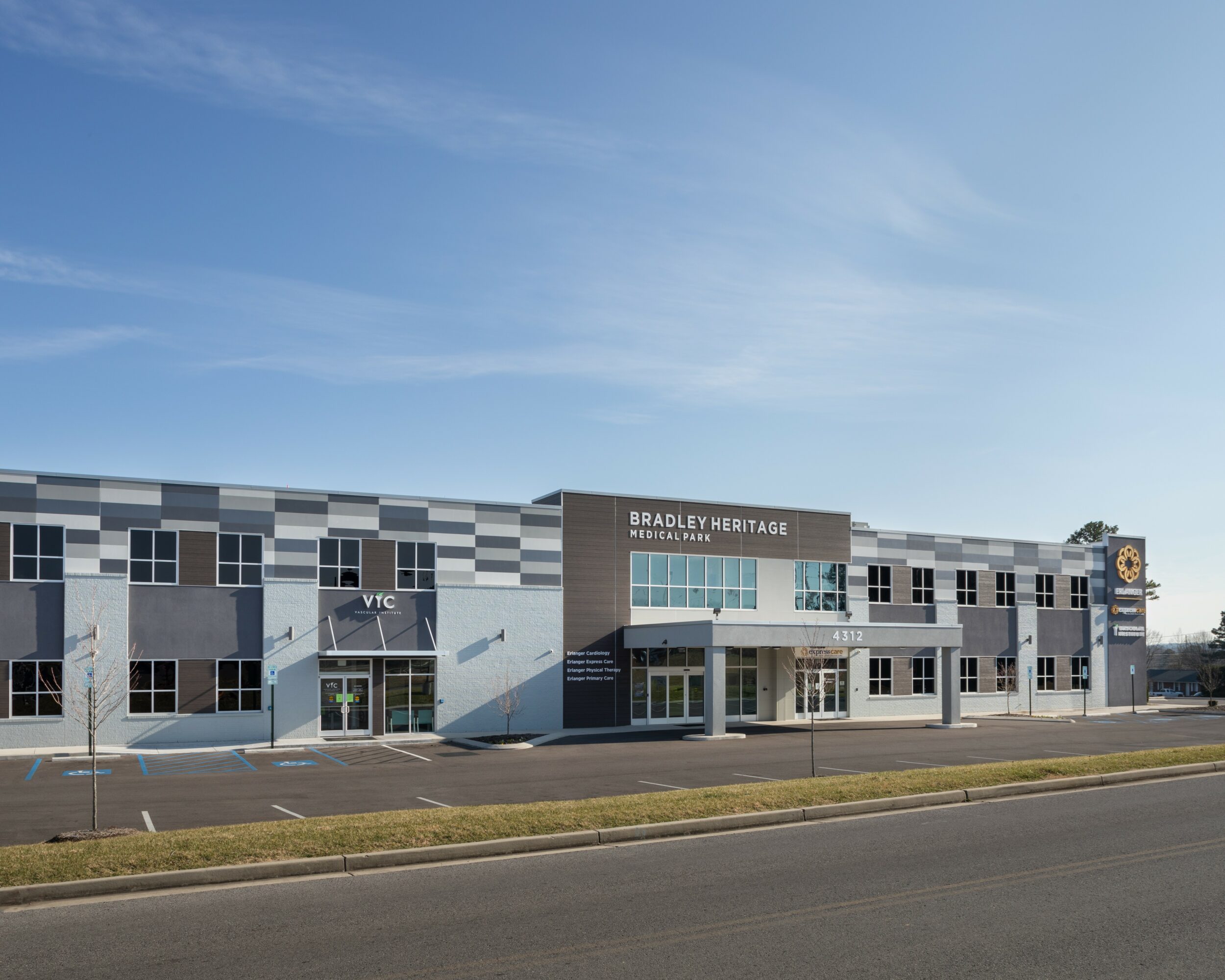
Today we’d like to introduce you to Chris LeSar.
Hi Chris , we’re thrilled to have a chance to learn your story today. So, before we get into specifics, maybe you can briefly walk us through how you got to where you are today?
My journey to founding the Vascular Institute of Chattanooga (VIC) has always been guided by a simple but powerful purpose: helping patients preserve their health, their mobility, and their quality of life through advanced vascular care.
Early in my career, I recognized that many patients with vascular disease were not receiving timely diagnosis or treatment. Conditions like peripheral artery disease, carotid artery disease, aneurysms, and complex venous disorders were often under-recognized, leading to preventable complications such as stroke, limb loss, and chronic pain. I saw an opportunity to build a practice focused not only on treating disease, but on changing outcomes through earlier intervention, innovation, and collaboration with referring providers.
With that vision, I founded the Vascular Institute of Chattanooga to bring together highly specialized vascular expertise with a patient-centered approach. From the beginning, our goal has been to provide advanced treatment options — both minimally invasive and surgical — while making care more accessible and efficient for patients and referring physicians throughout the region.
What started as a small practice has grown into a regional center of excellence serving patients across Tennessee, North Georgia, and beyond. Today, VIC includes multiple locations, a dedicated team of providers and staff, and nationally recognized programs focused on arterial and venous disease, limb preservation, dialysis access, and women’s vascular health conditions such as pelvic congestion syndrome and May-Thurner syndrome.
One of the most meaningful aspects of our journey has been the ability to help patients who often feel overlooked or underserved — particularly those suffering from chronic venous disorders or complex circulation issues that significantly impact daily life. By investing in advanced technology, ongoing education, and a collaborative care model, we have worked to position VIC as a trusted destination for comprehensive vascular care.
As we have grown, our mission has remained consistent: to deliver expert care with compassion, provide innovative treatment solutions, and improve long-term outcomes for our patients. Seeing patients regain mobility, avoid amputation, return to activities they love, and experience improved quality of life continues to be the most rewarding part of what we do.
Looking ahead, we remain committed to advancing vascular care through education, research, and continued expansion of services that meet the evolving needs of our community. Our goal is not only to treat vascular disease, but to improve awareness, promote earlier diagnosis, and ultimately help more patients live healthier, fuller lives.
Would you say it’s been a smooth road, and if not what are some of the biggest challenges you’ve faced along the way?
Like most meaningful journeys, building the Vascular Institute of Chattanooga has not been a completely smooth road. Starting and growing an independent specialty medical practice comes with many challenges, especially in an environment where healthcare is constantly evolving. From navigating administrative and regulatory complexities to competing with large hospital systems, there have been moments that required persistence, adaptability, and a strong belief in our mission.
One of the biggest challenges has been helping patients and referring providers understand the importance of early vascular evaluation and treatment. Many vascular conditions — such as peripheral artery disease, carotid artery disease, and complex venous disorders — are often underdiagnosed or misunderstood, which can delay care and lead to more serious complications. Part of our journey has involved dedicating significant time to education and awareness so patients know when to seek care and providers understand the value of specialized vascular expertise.
Another challenge has been building the right team and infrastructure to support a growing regional practice. Expanding locations, investing in advanced technology, recruiting skilled providers, and maintaining the highest standards of patient care all require careful planning and commitment. As healthcare continues to shift toward value-based care, independent practices must continuously innovate in order to deliver both excellent outcomes and an exceptional patient experience.
Despite these challenges, each obstacle has ultimately strengthened our organization and clarified our purpose. Every step of the process has reinforced our commitment to improving access to specialized vascular care and providing solutions for patients who may otherwise have limited options.
The most rewarding part of the journey has been seeing the direct impact on patients’ lives — helping someone avoid amputation, preventing stroke, restoring circulation, or relieving chronic pain. Those moments remind us why the work matters and why the challenges are worth overcoming.
While the path has required resilience and continuous growth, it has also been incredibly fulfilling to build a practice centered on innovation, compassion, and meaningful patient outcomes. Each challenge has helped shape who we are today and continues to drive our vision for the future.
As you know, we’re big fans of Vascular Institute of Chattanooga. For our readers who might not be as familiar what can you tell them about the brand?
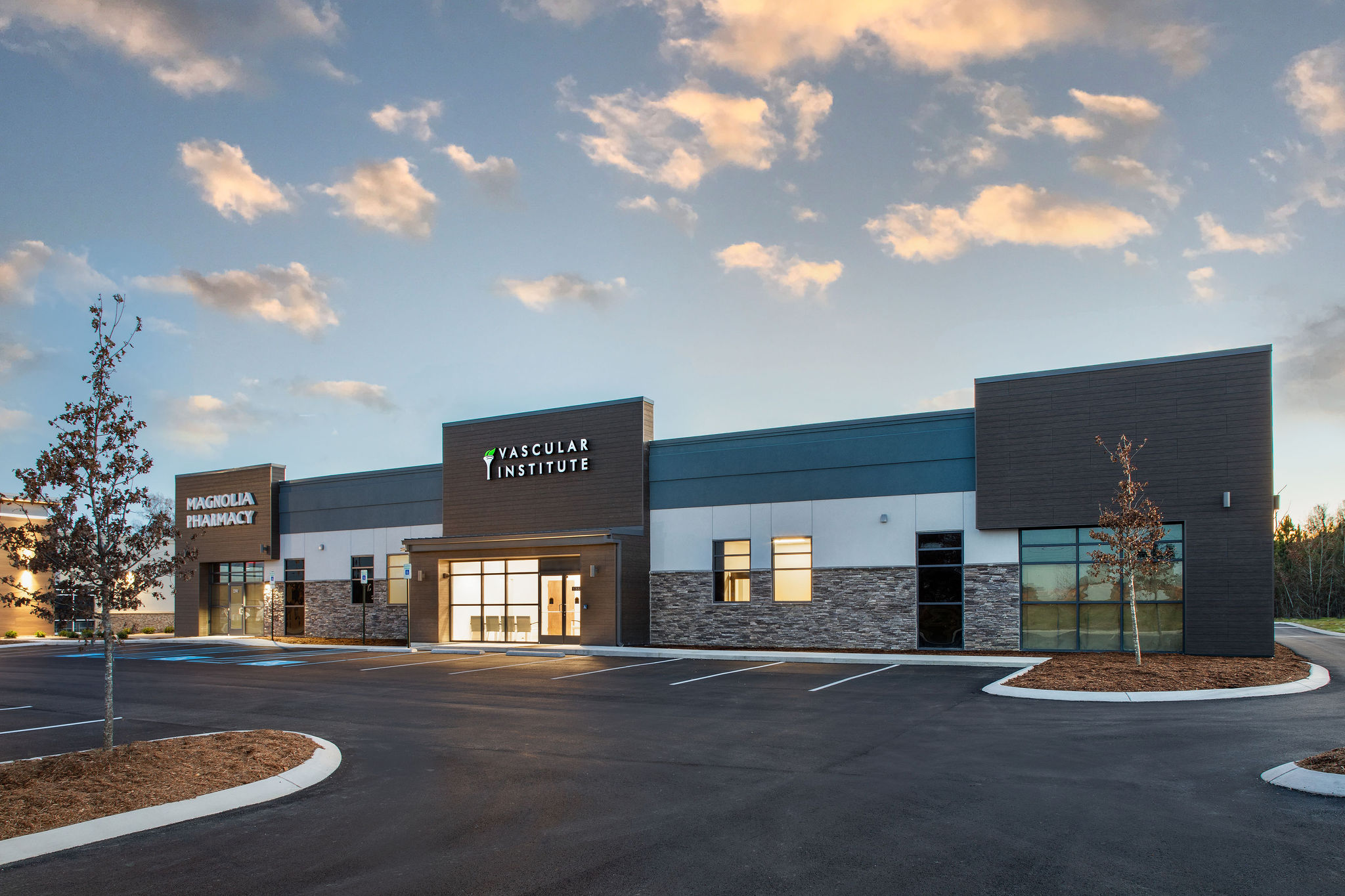
The Vascular Institute of Chattanooga (VIC) is a comprehensive vascular care practice dedicated to diagnosing, treating, and managing diseases of the arteries and veins. Our focus is on improving circulation, preventing serious complications such as stroke and limb loss, and helping patients return to a better quality of life through advanced, evidence-based care.
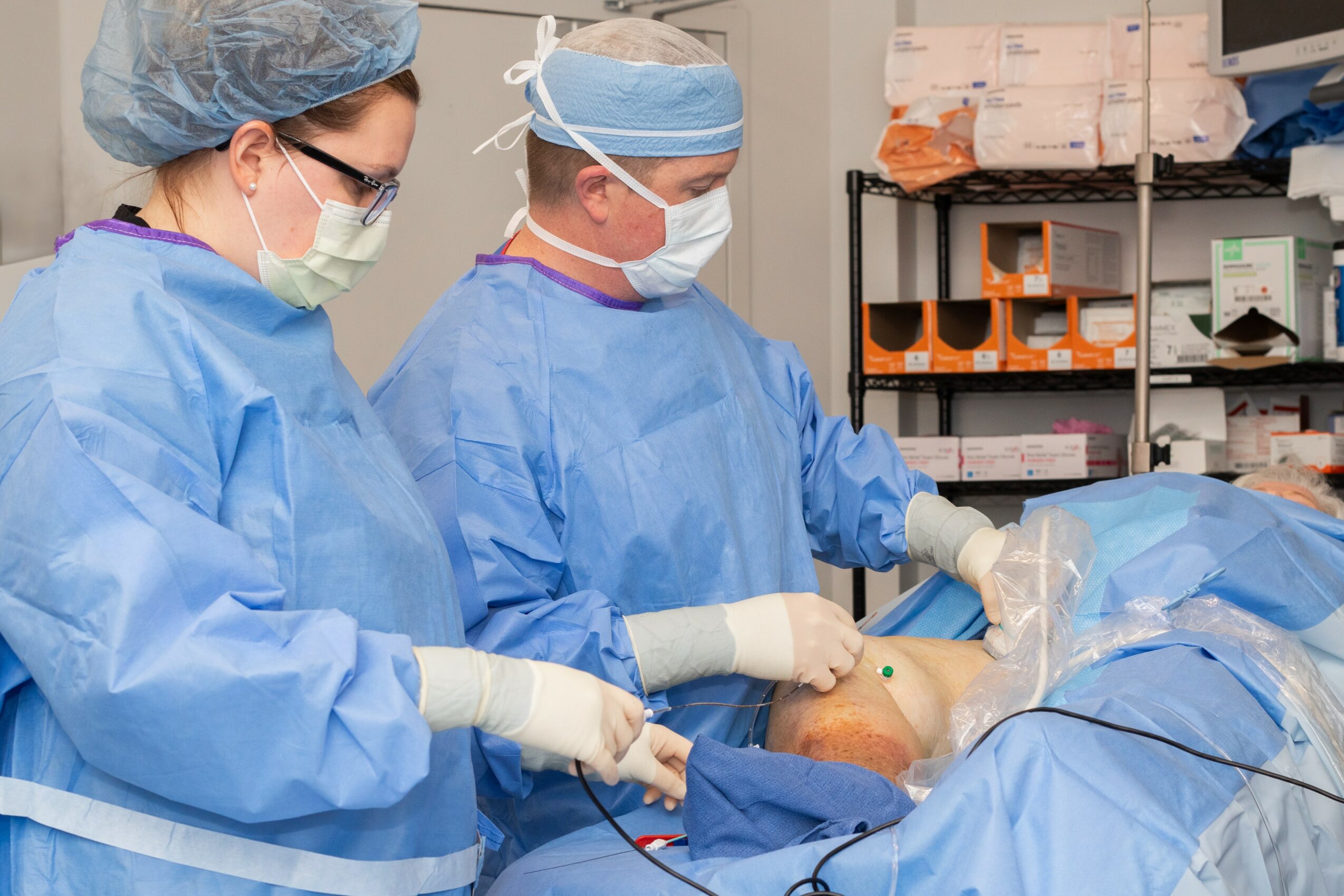
We specialize in treating a wide range of vascular conditions including peripheral artery disease (PAD), critical limb ischemia (CLI), carotid artery disease, aneurysms, dialysis access conditions, deep vein thrombosis (DVT), chronic venous insufficiency, varicose veins, and complex venous disorders such as May-Thurner Syndrome and pelvic congestion syndrome. We also offer advanced minimally invasive procedures that allow many patients to receive treatment with shorter recovery times and excellent outcomes.
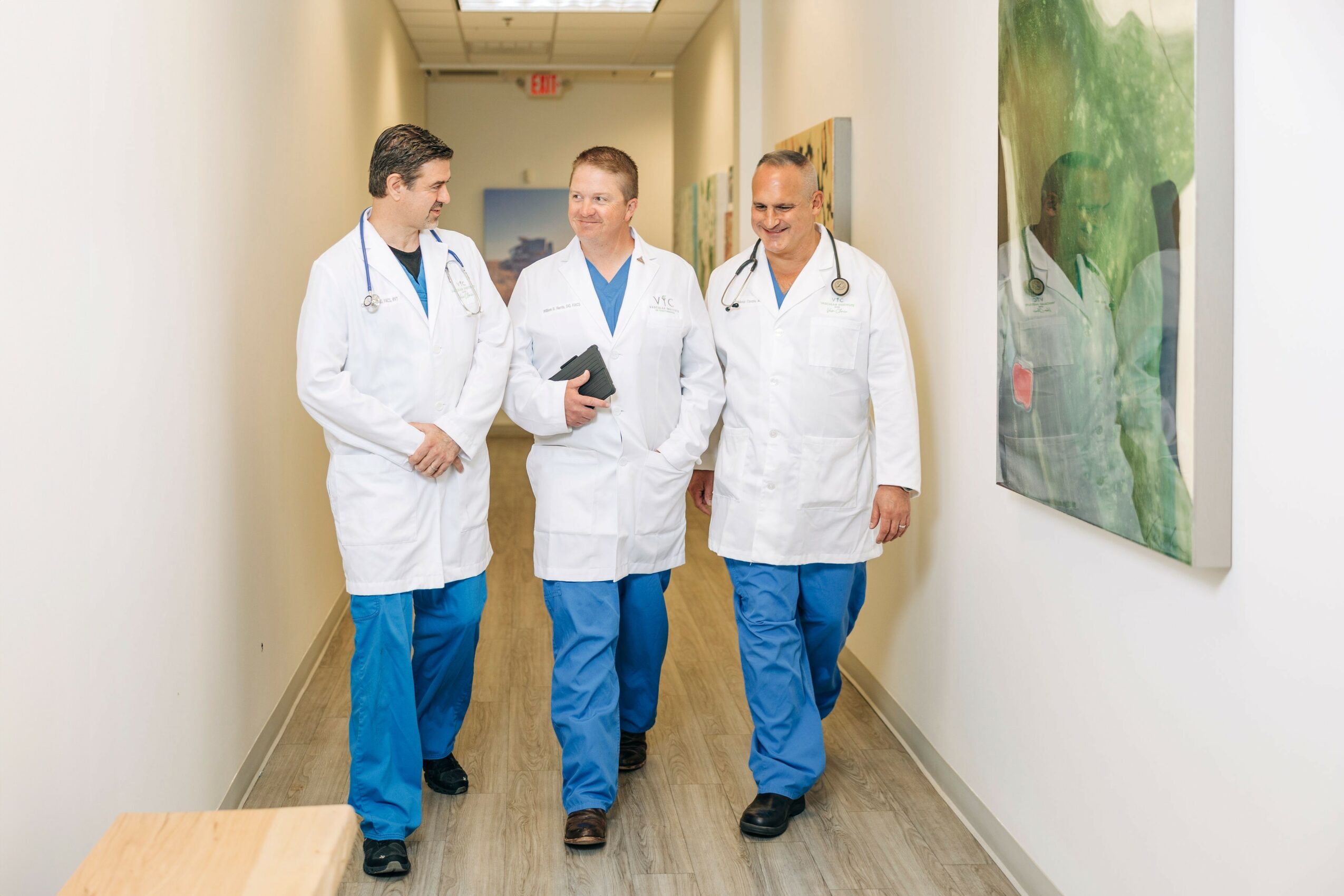
One of the things that truly sets VIC apart is our commitment to specialized vascular expertise. Our physicians are board-certified and fellowship-trained vascular surgeons who focus exclusively on vascular disease. We have built our practice around the belief that patients benefit from receiving care from physicians whose training and experience are dedicated specifically to the vascular system.
We are particularly proud of our work in limb preservation and amputation prevention. Peripheral artery disease is often underdiagnosed, yet it can significantly impact mobility and independence if not treated appropriately. By identifying vascular disease earlier and offering advanced treatment options, we are able to help many patients avoid limb loss and maintain active, fulfilling lives.
Another area of distinction for VIC is our advanced care for complex venous conditions, particularly in women. Many patients suffer for years from symptoms related to pelvic congestion syndrome, May-Thurner Syndrome, and chronic venous insufficiency without realizing these conditions are treatable. Our team has worked to increase awareness and develop specialized programs to address these often-overlooked conditions, helping patients find answers and long-term relief.
We are also proud to provide convenient access to care. We offer multiple locations throughout the region and work closely with referring providers to ensure patients can be evaluated quickly and efficiently. In many cases, patients can be seen within days rather than waiting weeks for an appointment. Our goal is to remove barriers to care and ensure patients receive the right treatment at the right time.
From a brand perspective, we are most proud of the trust we have built within our community and among referring providers. Our mission has always been centered on delivering compassionate, innovative care while maintaining a strong focus on clinical excellence and patient outcomes. Every decision we make is guided by the question: how can we improve the patient experience and achieve the best possible long-term results?
We want readers to know that vascular health plays a critical role in overall wellness, and many vascular conditions are highly treatable when diagnosed early. Our team is committed to advancing awareness, expanding access to specialized care, and continuing to serve as a trusted resource for patients throughout the region.
Ultimately, our goal is simple — to help people live healthier lives by restoring circulation, reducing pain, preserving mobility, and providing expert care they can trust.
Networking and finding a mentor can have such a positive impact on one’s life and career. Any advice?
Finding the right mentor and building a strong professional network can be one of the most valuable investments in your career. Throughout my journey in medicine and in building the Vascular Institute of Chattanooga, mentorship has played an important role in helping me grow both clinically and as a leader.
One of the most important things I have learned is to seek out mentors who not only have experience and knowledge, but who also share similar values. A strong mentor does more than provide technical guidance — they help shape your perspective, challenge your thinking, and encourage you to pursue opportunities that align with your long-term goals. Some of the most impactful mentors I’ve had were individuals who were willing to share both their successes and the lessons they learned through challenges.
Networking, in many ways, is about building genuine relationships over time. The most effective connections are formed through shared purpose, mutual respect, and a willingness to collaborate. Conferences, professional societies, and educational events provide valuable opportunities to meet others in your field, exchange ideas, and stay current with new advances. Consistently showing up, staying engaged, and contributing to meaningful discussions helps build trust and credibility within your professional community.
Another key lesson is to remain open to learning from a variety of perspectives. Some mentors may come from your own specialty, while others may offer insights from different disciplines, leadership roles, or life experiences. Being willing to ask questions, listen carefully, and remain curious can open doors to opportunities that may not have been obvious at the start.
I have also found that mentorship is a two-way relationship. As you progress in your career, there is great value in sharing knowledge and supporting others who are earlier in their journey. Teaching and mentoring others not only helps strengthen the profession, but also encourages continued personal growth.
What has worked well for me is staying committed to lifelong learning, surrounding myself with individuals who are passionate about their work, and being intentional about building relationships rooted in trust and shared purpose. Strong mentorship and collaboration ultimately help create better outcomes — not only professionally, but also for the patients and communities we serve.
Contact Info:
- Website: https://www.vascularinstituteofchattanooga.com
- Instagram: vicvascular
- Facebook: vichattanooga
- LinkedIn: https://www.linkedin.com/company/vascular-institute-of-chattanooga
- Twitter: @VIChattanooga
- Youtube: @vascularinstituteofchattan4235
- Other: https://www.linkedin.com/in/chrislesar