
Today we’d like to introduce you to John Bandeian.
Hi John, can you start by introducing yourself? We’d love to learn more about how you got to where you are today?
I graduated, graduated from Harvard College,and Harvard Medical School. I have been a board certified Plastic Surgeon since 1982.
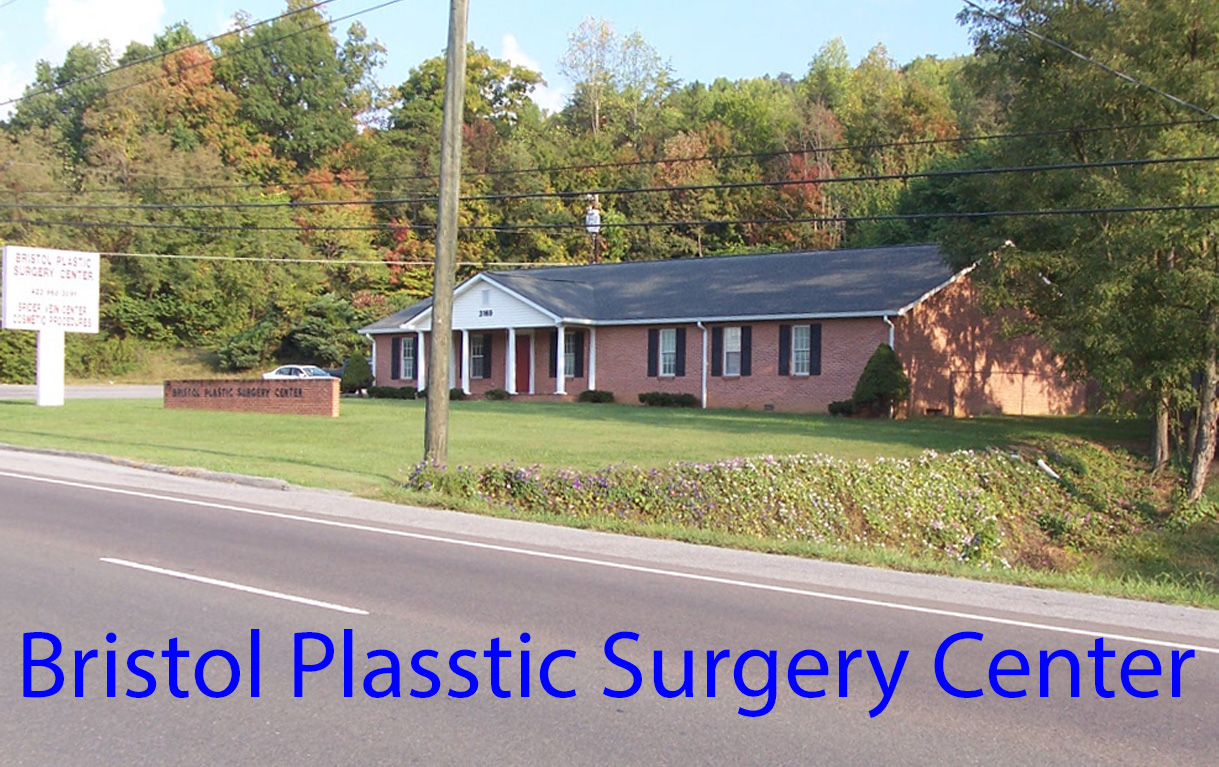
I have practiced plastic surgery in Bristol, TN since 1981. I opened Bristol Plastic Surgery Center in 1984.
I believe in listening to my patients’ concerns. I encourage my patients to ask me all of their questions and I try to be sure that my patients never feel rushed or pressured.
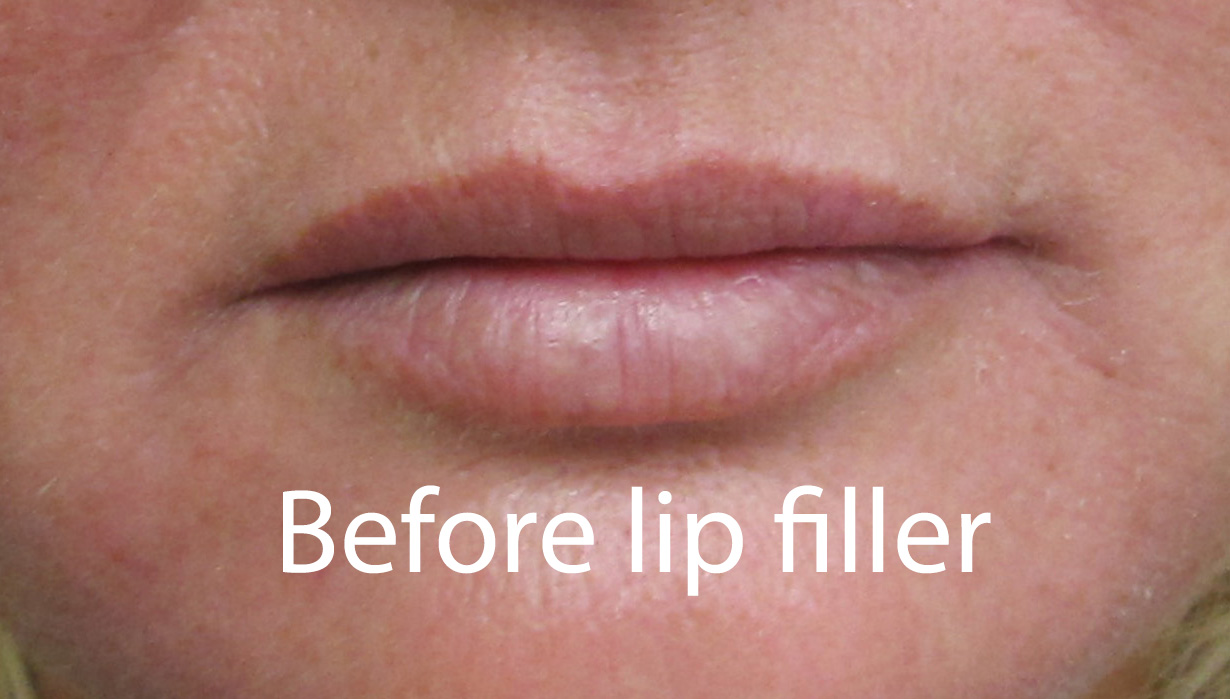
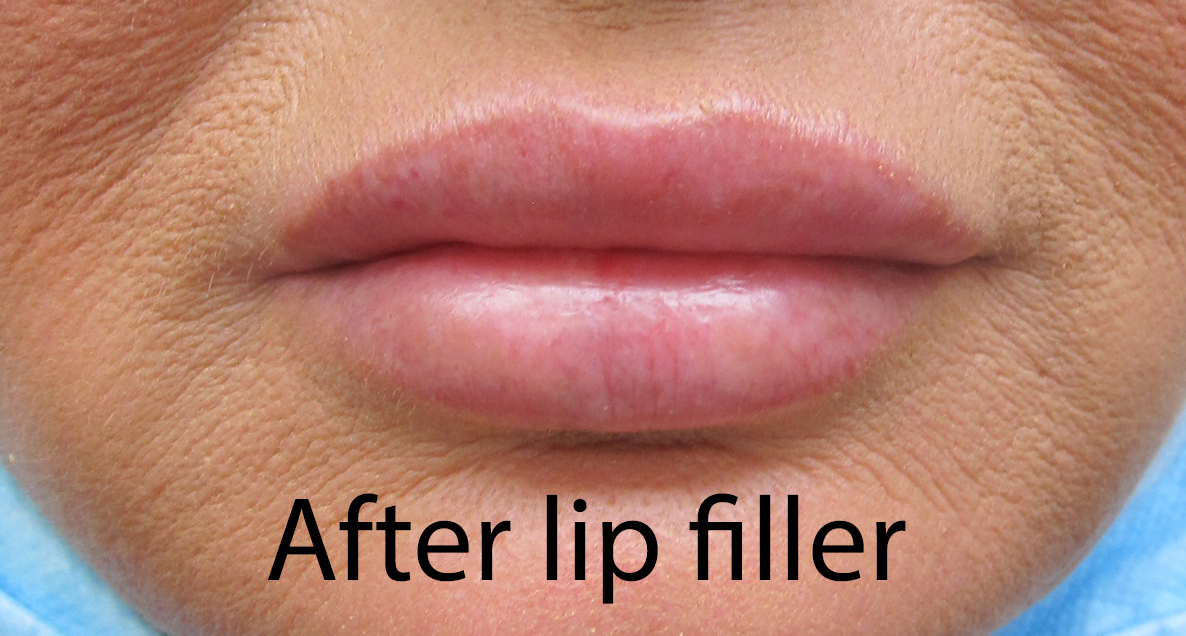
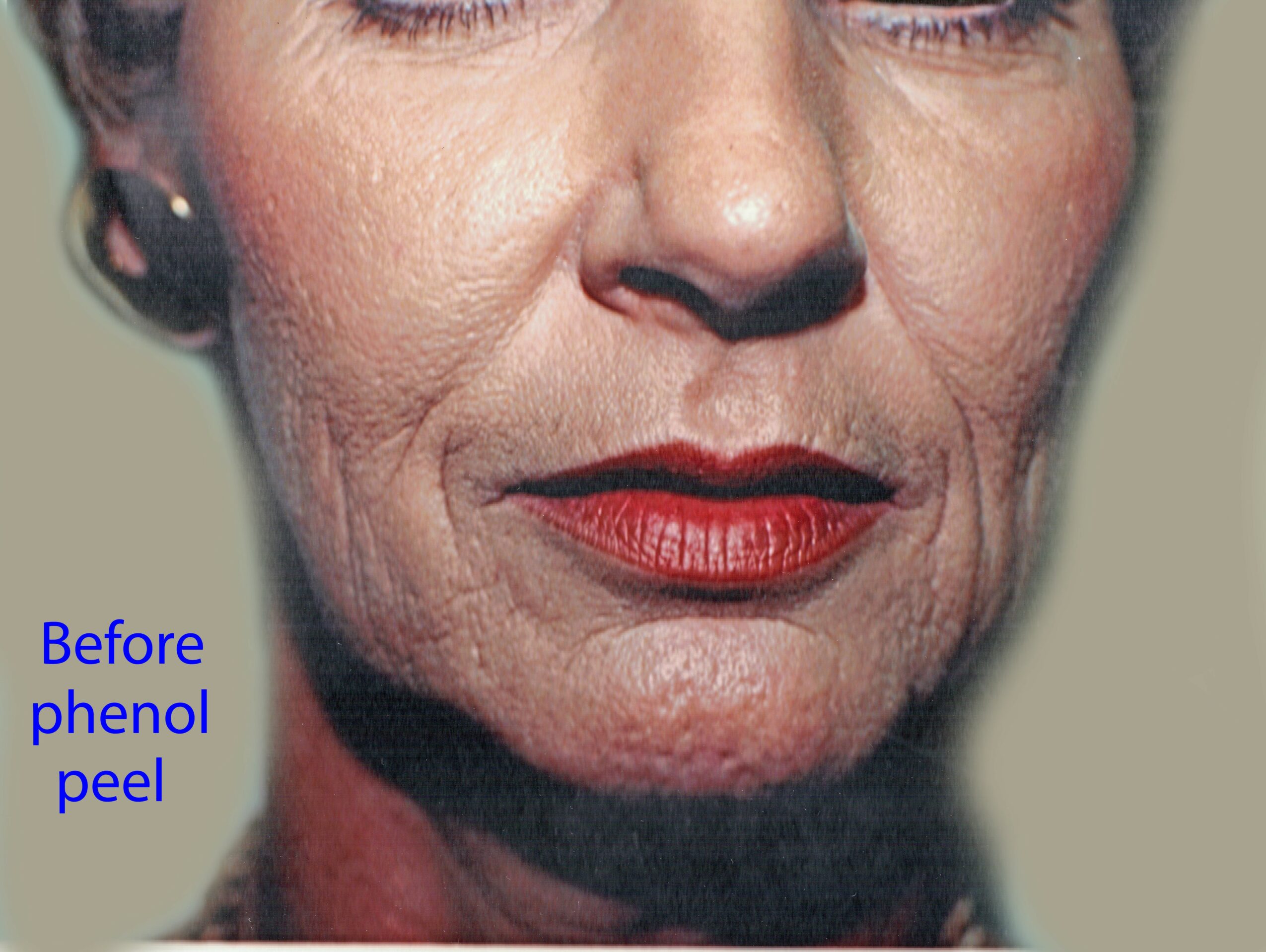
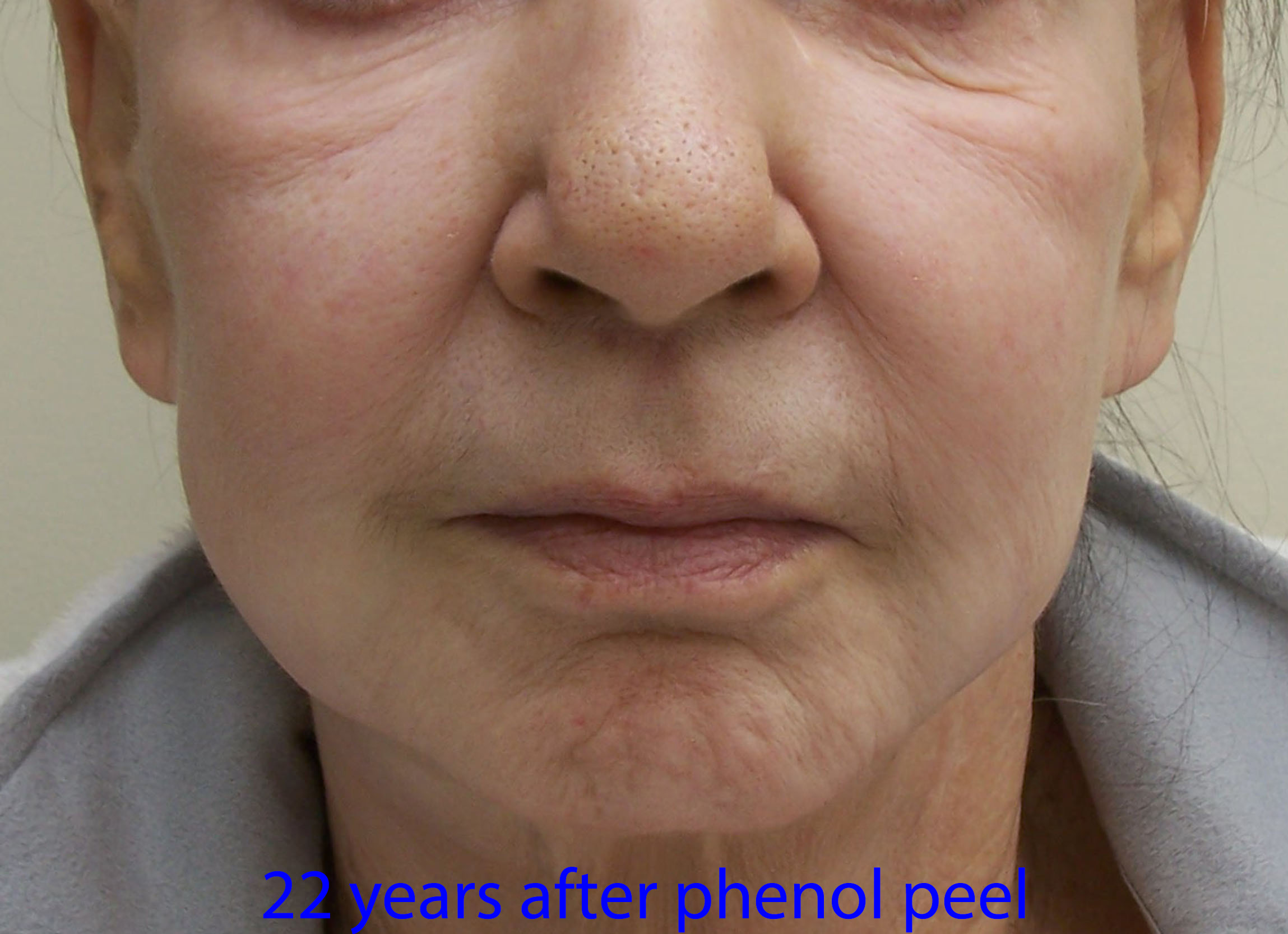
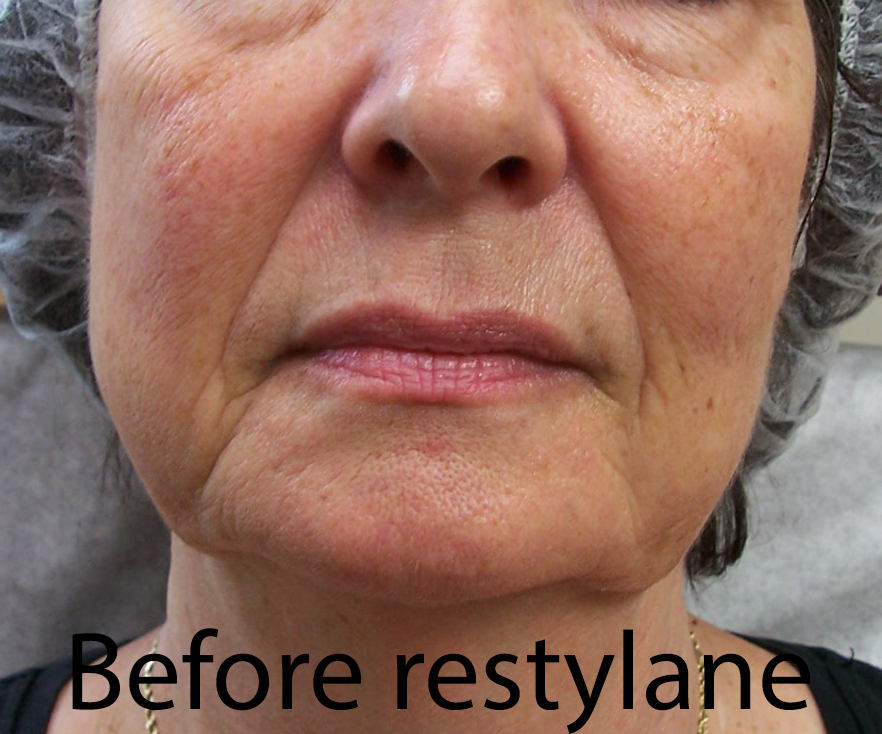
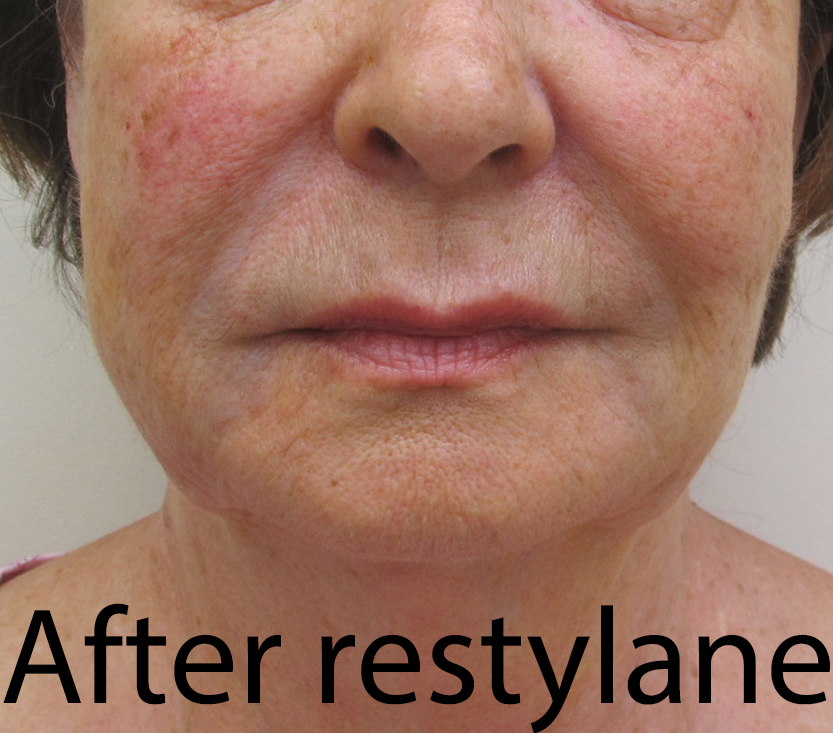
I am innovative. My son and I currently hold one active patent. I also likes to problem solve. Since suture removal can sometimes be painful, I modified all of my suture removing scissors so that the tips are much smaller than what is commercially available. Therefore, when I remove sutures, the process is far less painful than it would be if done using standard scissors; in fact, it’s almost painless! Another innovation is the use to saline injections to simulate the expected results from injections of filler materials such as Restylane. With this technique, patients get an actual preview (not a computer generation) of what they can expect to look like following injections of filler materials such as Restylane.
I describe myself as a conservative plastic surgeon. My goal is to give his patients the great results they want using cost effective, tried and proven methods. My philosophy – not to immediately try the latest cosmetic procedures – has served me and my patients well over the years.
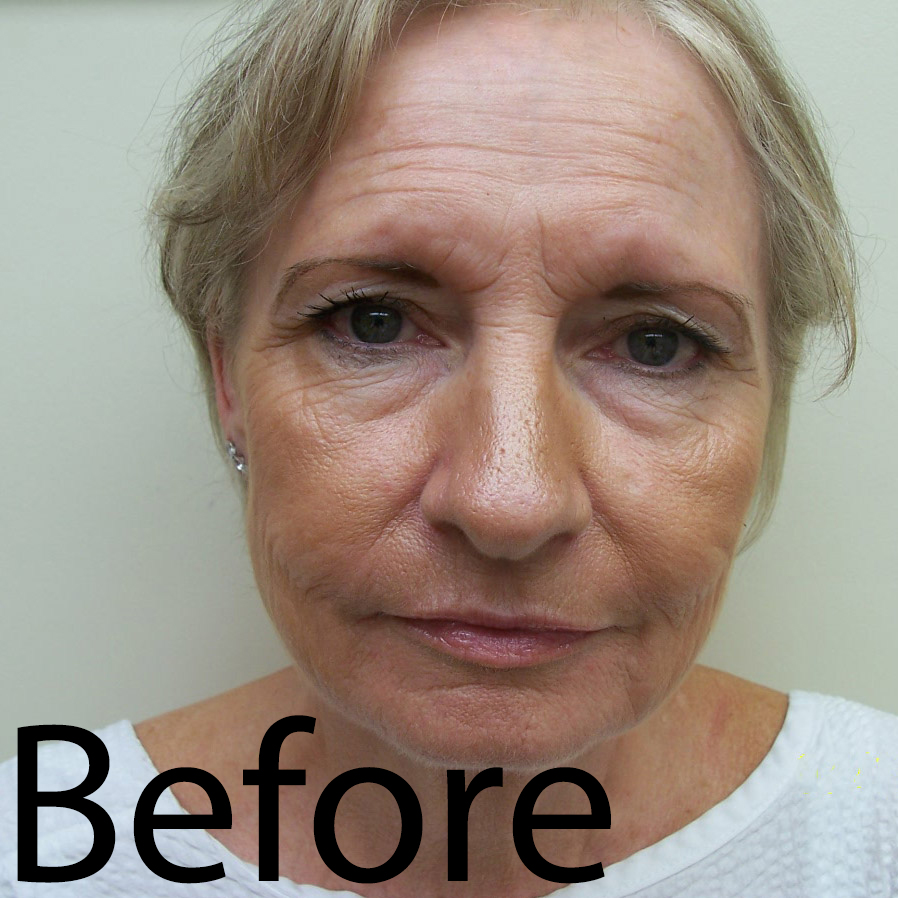
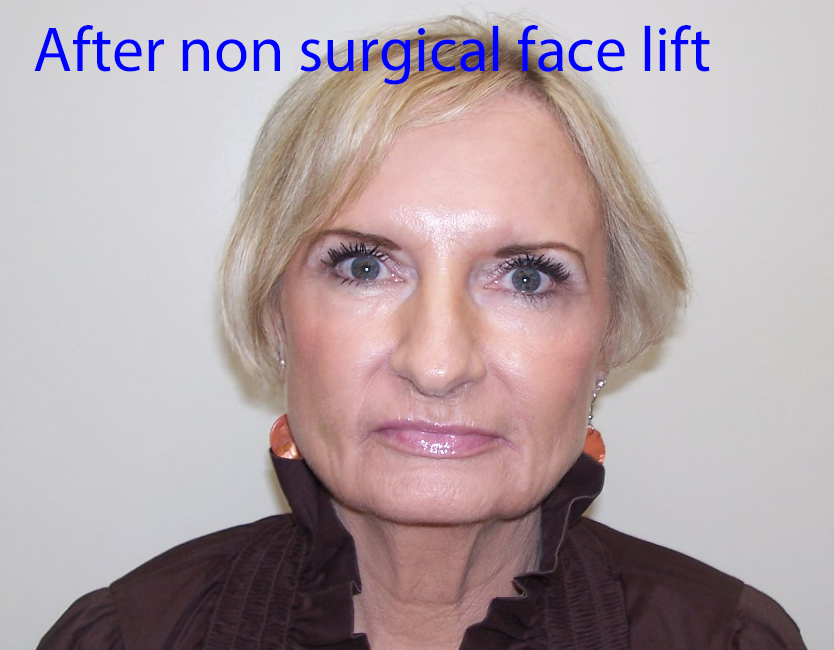
Patients are often surprised to learn that many cosmetic operations I do are performed without the need for general anesthesia.
Alright, so let’s dig a little deeper into the story – has it been an easy path overall and if not, what were the challenges you’ve had to overcome?
SKIN CANCER IS PREVENTABLE
I believe that most skin cancers are preventable with the use of inexpensive medications like Efudex. I have prescribed Efudex for over 40 years to well over a thousand patients with absolutely zero side effects. One patient, Penny V. had 3 cancers over an 8 month period while under the care of a dermatologist who did not prescribe anything like Efudex for her. In the past 6 years since I have been treating her with Efudex, she has not had a single new skin cancer on her face. There is no medically sound reason for not prescribing Efudex or a similar type medicine to someone who is at increased risk for getting skin cancer. Anyone who has had one skin cancer or has obvious signs of significant sun damage to his skin is at risk for getting skin cancer. Because I believe so strongly that people should not get skin cancer, I offer Efudex treatment to all my patients who are at risk for getting skin cancer. The challenge for me is that I can’t prescribe Efudex to people who are not my patients, even though I don’t want anyone to get skin cancers. That is why I have used television and other advertising media to encourage people at risk for skin cancer to ask their skin care doctor to write them a prescription for Efudex.
OVERUSE OF MOHS SKIN CANCER SURGERY
Most skin cancers are not lethal and do not metastasize. Skin cancers can be treated with surgical excision, curettage and desiccation, MOHS surgery and radiation. MOHS has a slightly higher cure rate for basal and squamous cell skin cancers. Than excision. Except on the eyelids, nose, lips and ears, it is a simple matter to re-excise a basal or squamous cell cancer if it recurs after excision. MOHS surgeons can earn as much as $400,000 a year by charging several thousand dollars per skin cancer. MOHS surgery can result in a bad cosmetic result. I excise skin cancers 95% of the time in my office instead of the hospital. The cost of excising a skin cancer in the office typically costs a few hundred dollars. Since I no longer accept any medical insurance, I charge a flat rate of $250 to excise most skin cancers. My cure rate for skin cancers is about 99%. My cure rate is so high because I am more interested in curing the cancer than how much time I spend excising the cancer. In fact, I went 10 years before I had a skin cancer come back on one of my patients.
Every physician who treats patients for skin cancer has an ethical duty to advise his patient of the various treatment options for skin cancer. However, based on what I hear from my cosmetic patients, some dermatologist routinely tell their patients they have to have MOHS surgery for their cancer. In fact, one patient was recently told by two different MOHS surgeons that she had to have MOHS for a biopsy proven basal cell cancer of her forehead. She read up about how deforming MOHS can be and decided not to have MOHS. She came to see me about excising the cancer. I told her that the biopsy probably cured the cancer, but if it came back, it would be as simple matter to re-excise it. Because she insisted that I excise the lesion, I charged her $250 to excise the biopsy site of the basal call cancer. The pathology report showed no cancer. That was a perfect example of what would have been unnecessary MOHS surgery. It is challenging to try to educate the public abut the truth about MOHS. That is why I have used television and other advertising media to try to educate the public that with few exceptions, excision is an excellent and less expensive alternative to MOHS
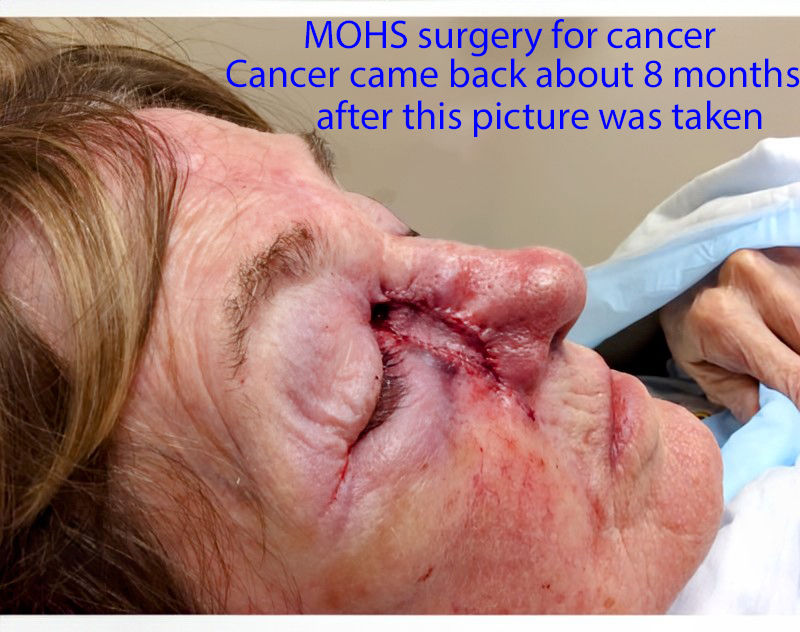
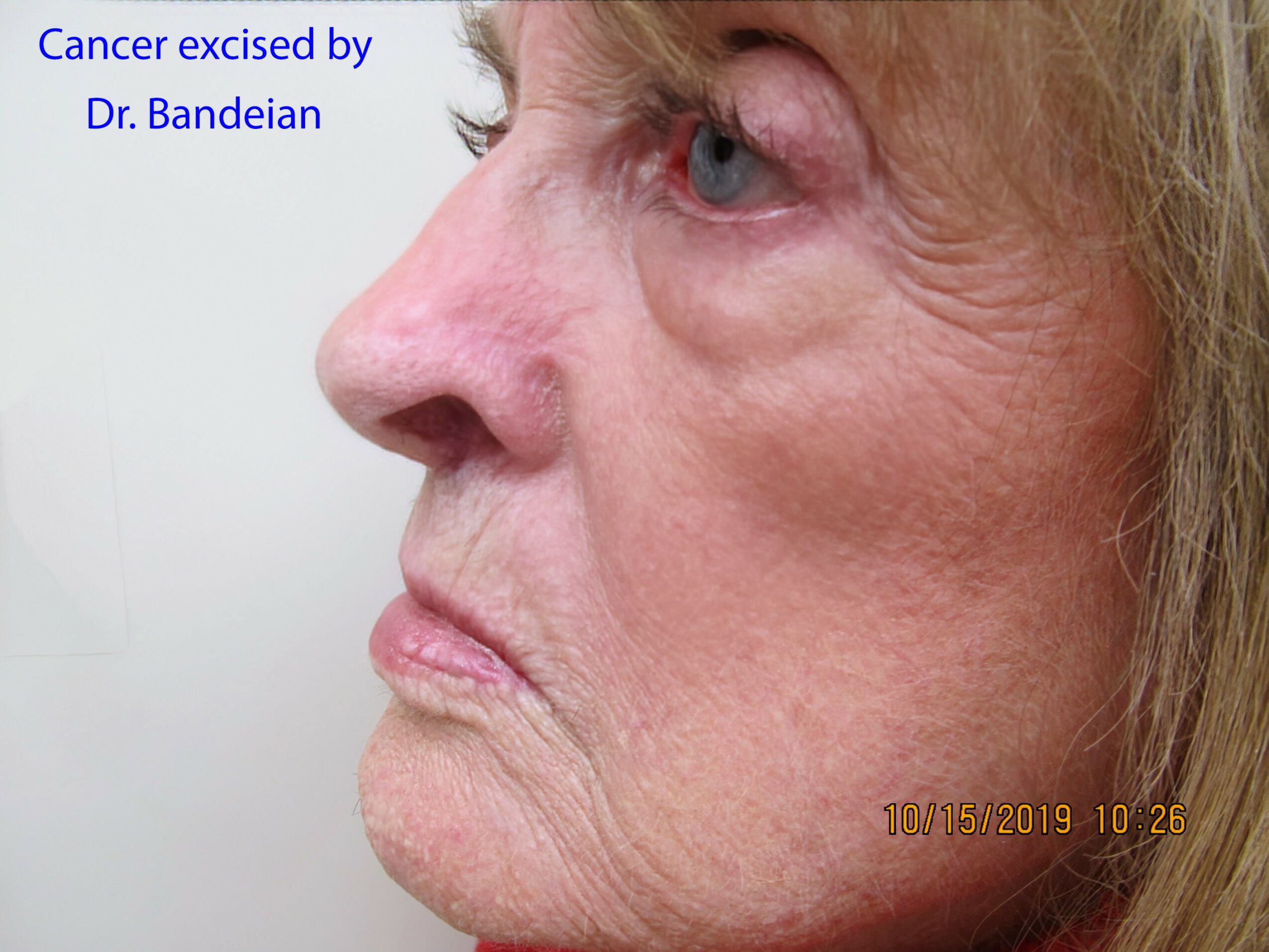
I have attached a picture of the MOHS excision of a cancer on the right side of Penny V’s nose and a picture of a similar excision of a cancer on the left side side of her nose that I performed. The cancer on the right side of her nose came back several months after the MOHS. I excised it. The cancer I excised from the left side of her nose after 6 years has still not come back. This is a good example that contrary to what some dermatologist tell patients, you don’t have to have MOHS.
Alright, so let’s switch gears a bit and talk business. What should we know about your work?
SOLO PRIVATE PRACTICE
In 1971 one of my medical school professors told his students that we will all eventually become employees of hospitals. He was right but it has taken 50 years for his prophesy to be nearly fulfilled. Most physicians are now corporate employees of hospitals and other organizations. Because of the burdens of private practice such as increasing regulations from government and insurance companies, increasing costs, problems with staffing, being on call so often and the desire for a better life style with more leisure time, most physicians have become employees of large corporations. In so doing, they are often under to pressure to generate more revenue for their employers. One way to generate more revenue is to spend less time with patients so more patients can be seen.
I routinely get emails from organizations inquiring about buying my plastic surgery practice. I don’t respond to them because I don’t want someone telling me how much time I can spend with my patients or that I should increase my fees across the board. I have to deal with all the same issues that cause many physicians to sell their practices. It is challenging to deal with these issues, but I handle them so I can continue to provide my patients with the kind of care they deserve. For example, I try to treat my patients the way I would like to be treated by giving them the very best medical care possible even if it takes more time and effort. I get to know my patients. I am scrupulously honest with my patients about what can and cannot be done. I am available for my patients night or day by telephone or office visit 24 hours a day, 365 days a year with very rare exceptions. I encourage my patients to call me directly at my office number or my cel phone whenever they have any questions.
Can you tell us more about what you were like growing up?
I grew up in Holyoke, MA, a small city in western Massachusetts. I was the middle child. My father was the first board certified general surgeon in Holyoke. My mother, aunt, and three uncles were all physicians. Mrs. Kennedy, my first grade teacher told me I was a little cog in a big wheel and she told my parents I was retarded. Obviously, she was incorrect because Harvard does not accept retarded students. There was never any doubt in my mind that I would be a surgeon like my father. My father did not get accepted into Harvard Medical school and it was his hope that I would go to Harvard College and Medical school. I was always overweight until my junior year in high school. My guidance counselor, Mr. Clark, told me that Harvard does not accept fat students. Even though Mr. Clark was incorrect because there are fat students at Harvard, I took him at his word and lost about 40 pounds over 6 weeks by dieting and exercising. I got into both Harvard College and Medical School. My younger brother outdid me by graduating from Harvard College, Harvard Medical School and Harvard Law School. While doing my surgical residency, I decided that I did not have the emotional temperament to deal with lie and death situations like bleeding from a ruptured aortic aneurysm, from gunshot wounds or bleeding from other trauma. Besides wanting to help my patients, I like to be meticulous, creative and artistic. That is why I decided to become a plastic surgeon.
Pricing:
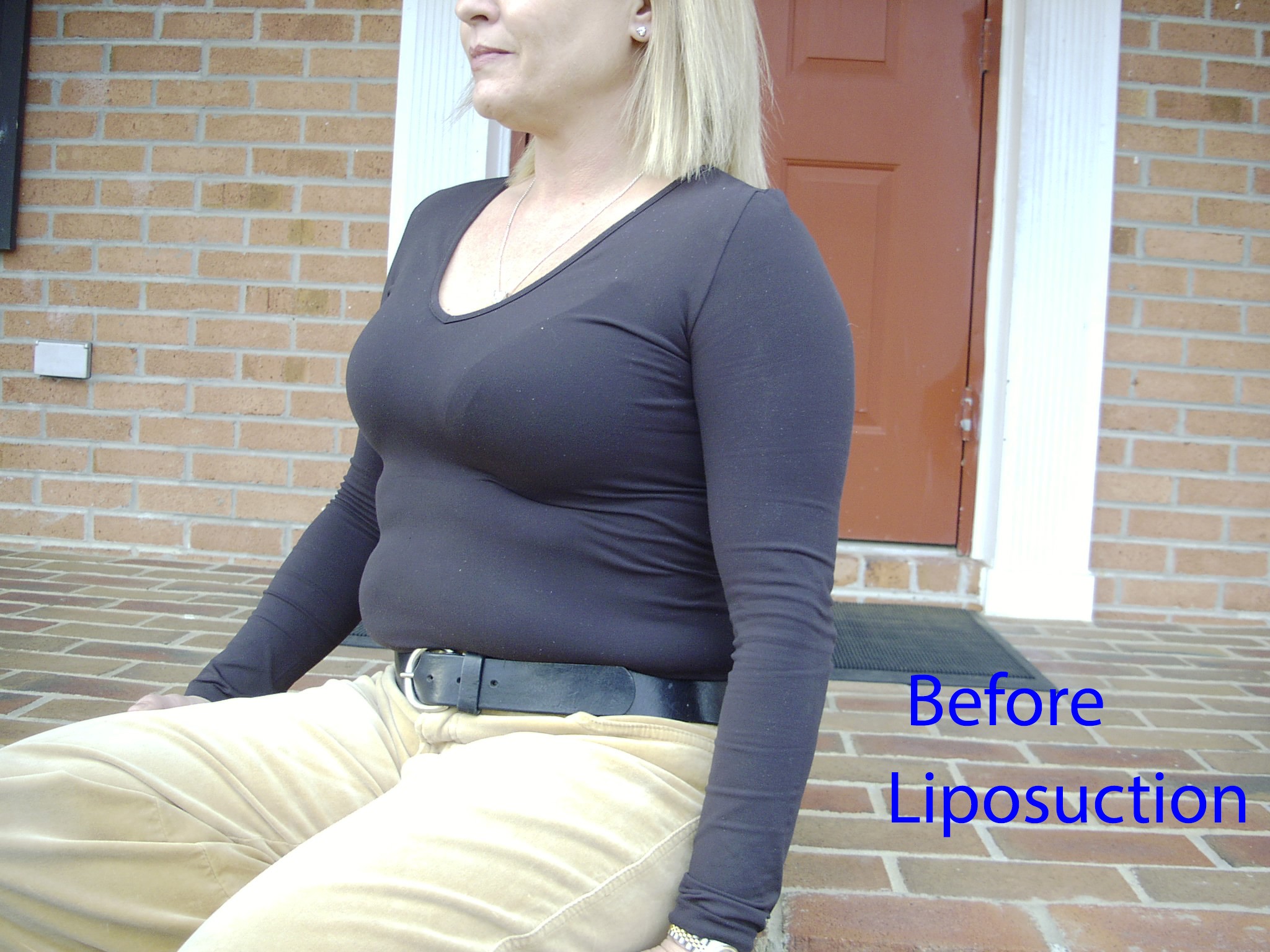
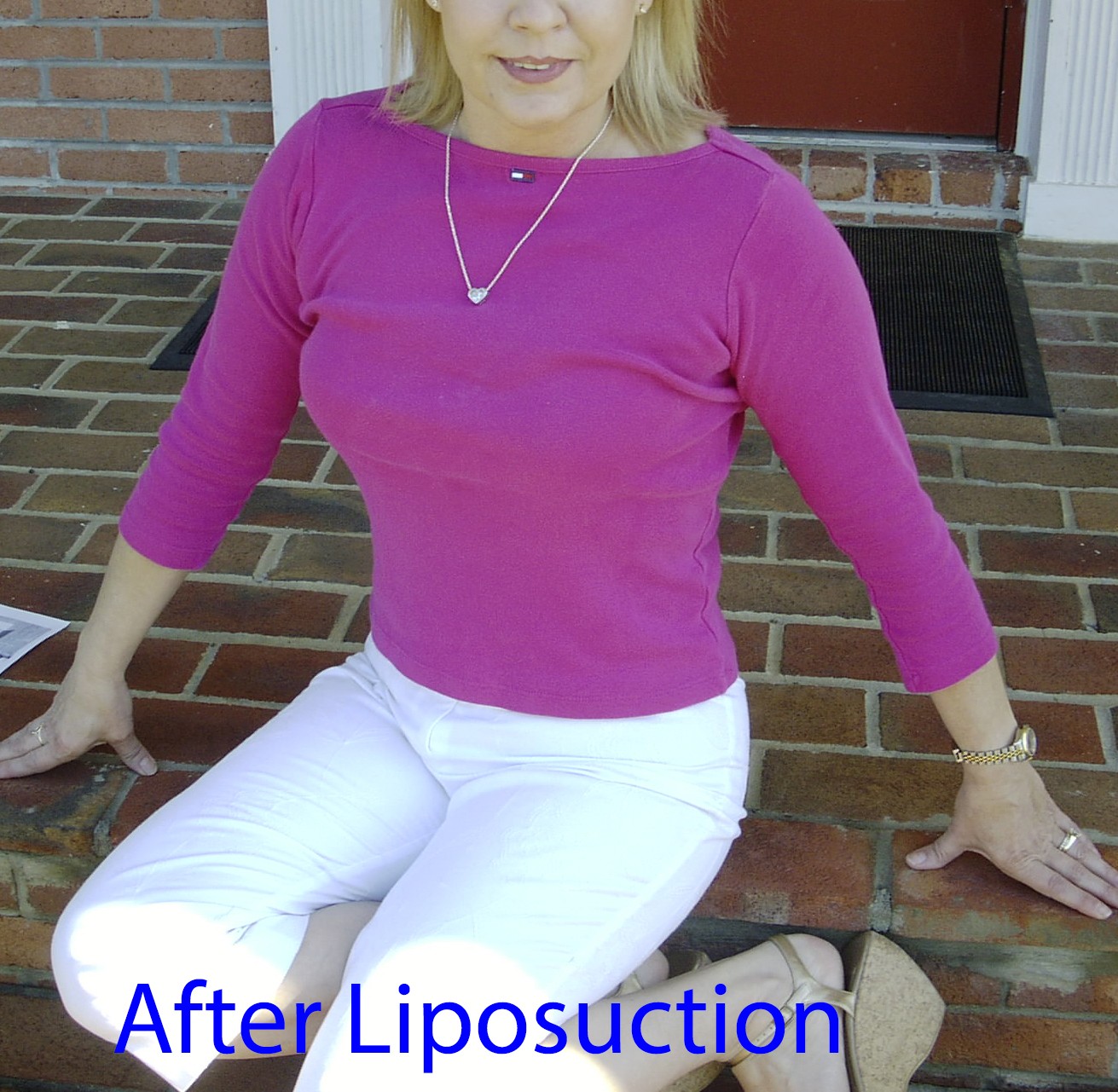
- liposuction of abdomen $3500
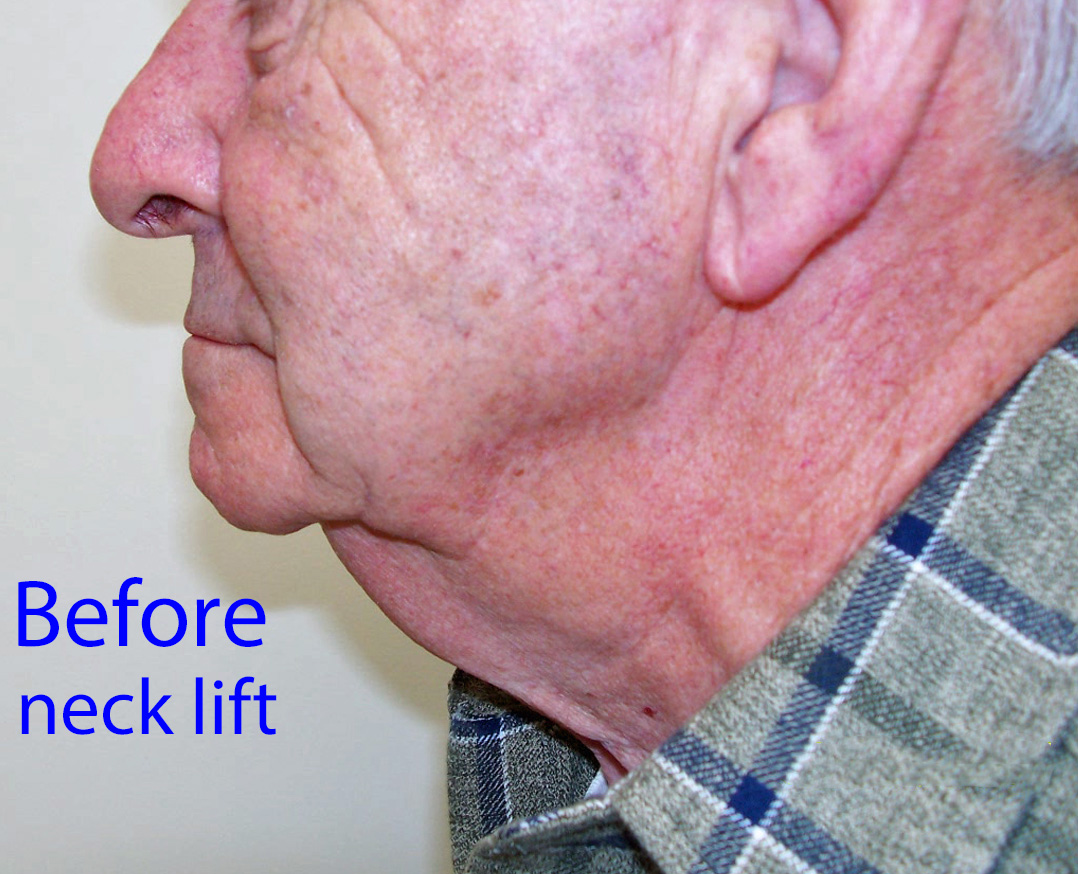
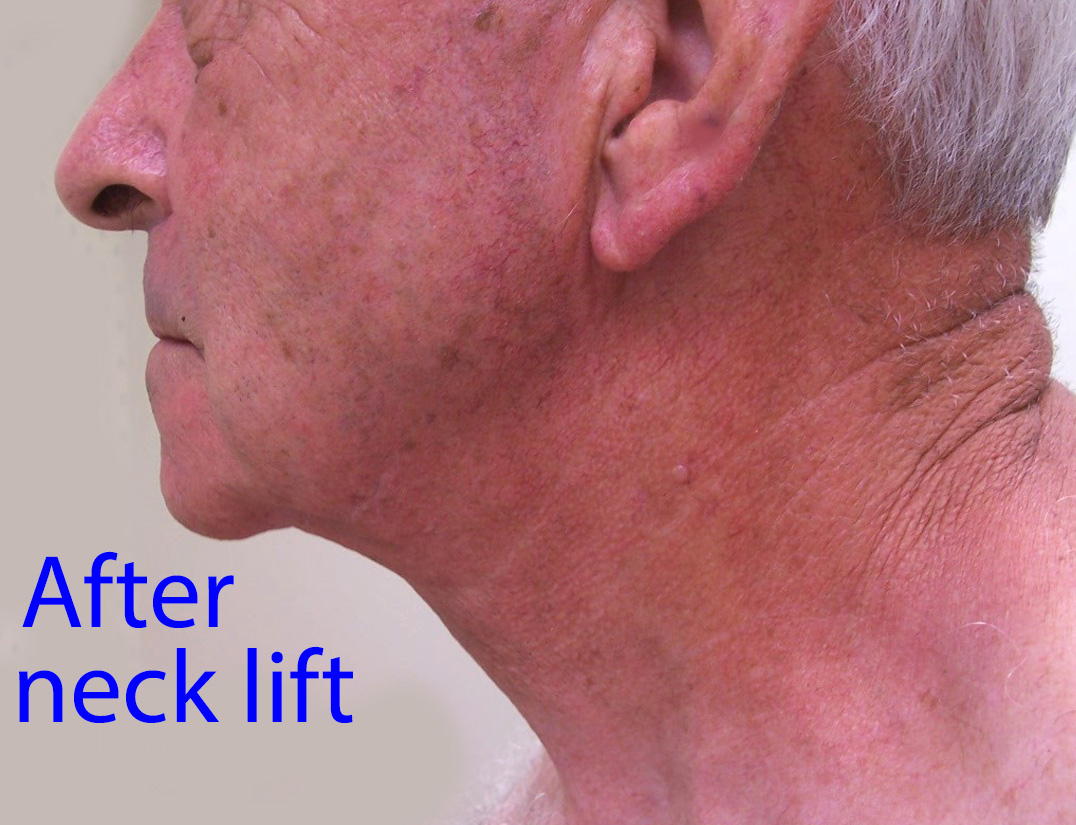
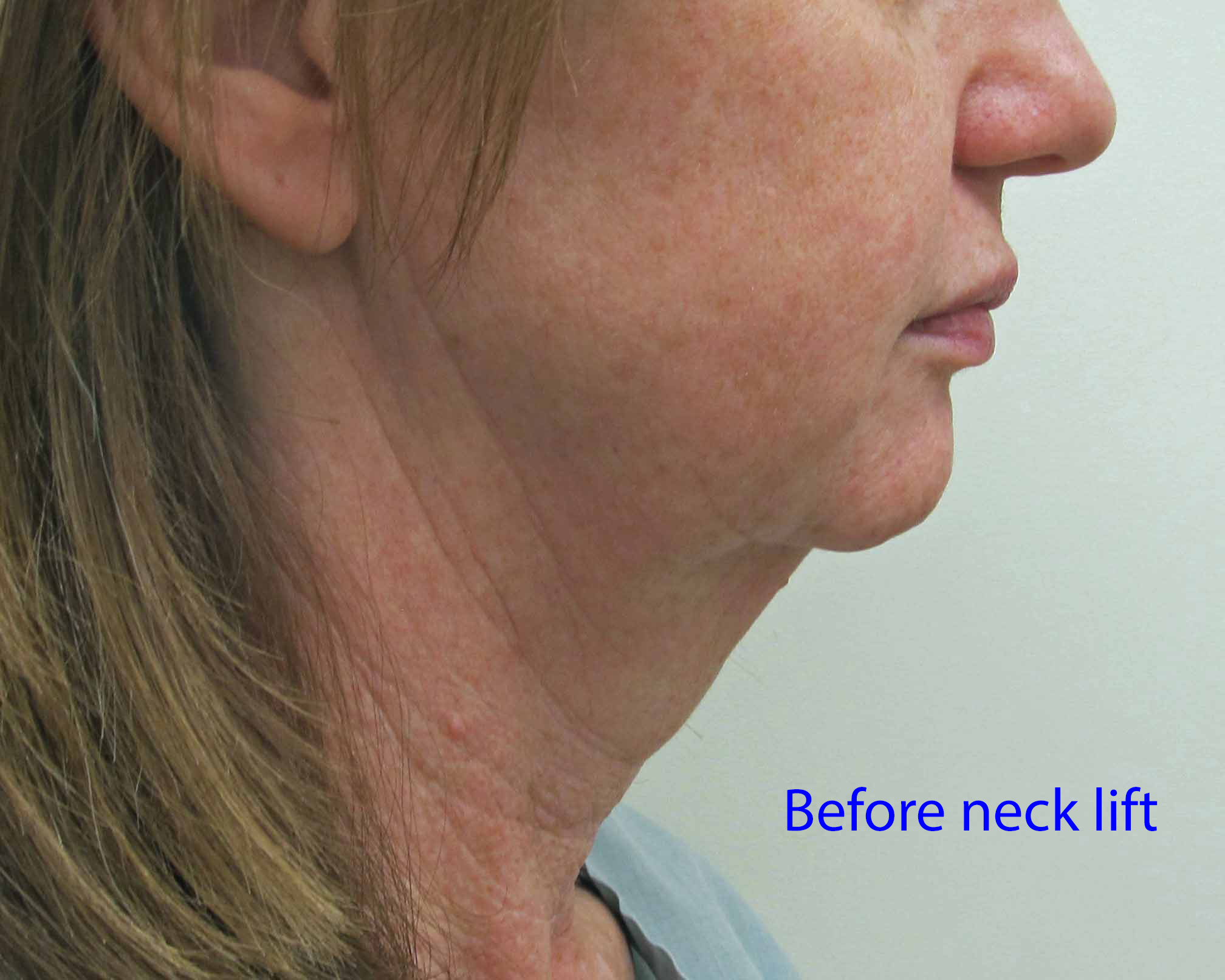
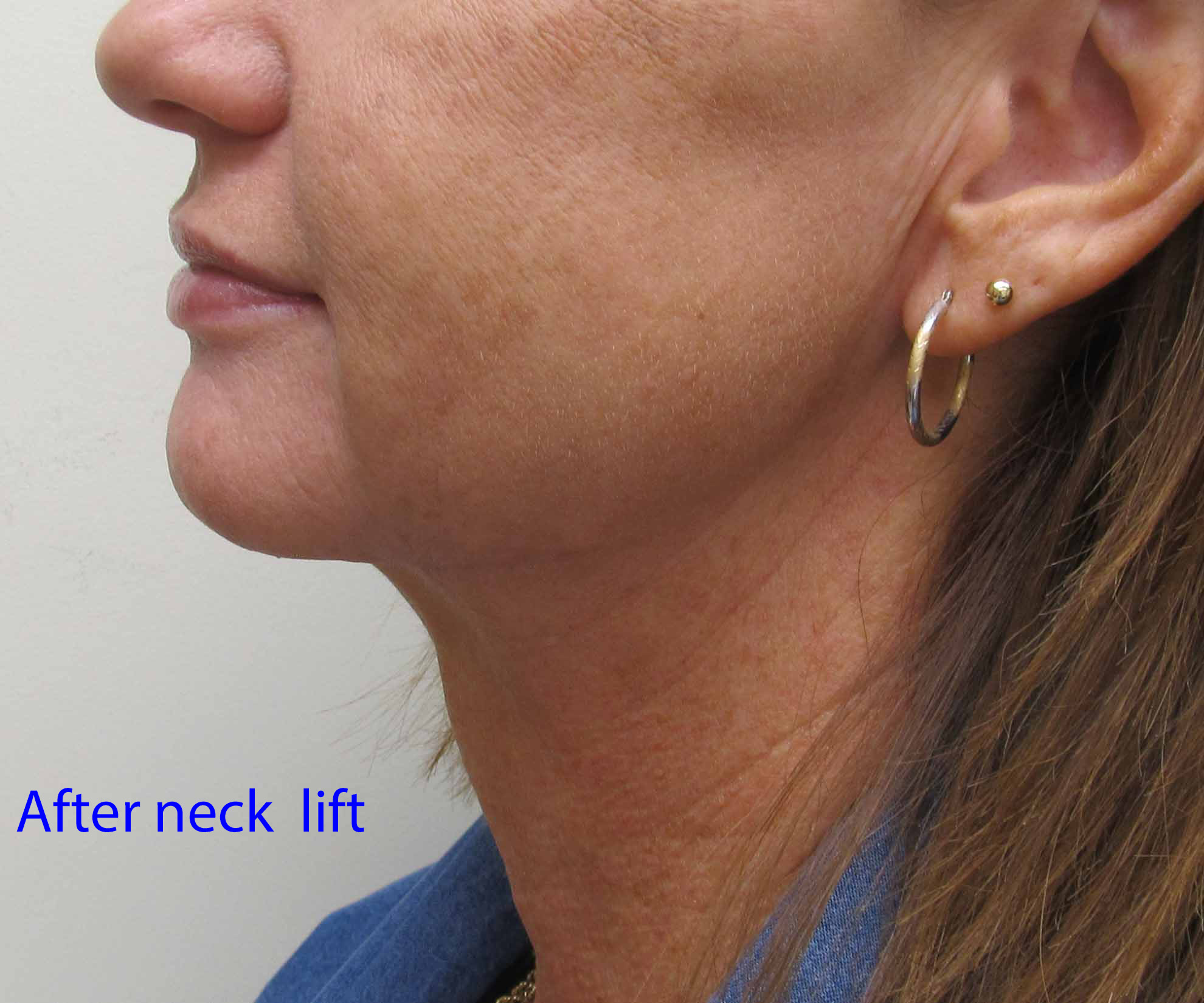
- neck lift $5000
- sclerotherapy for spider veins $150/
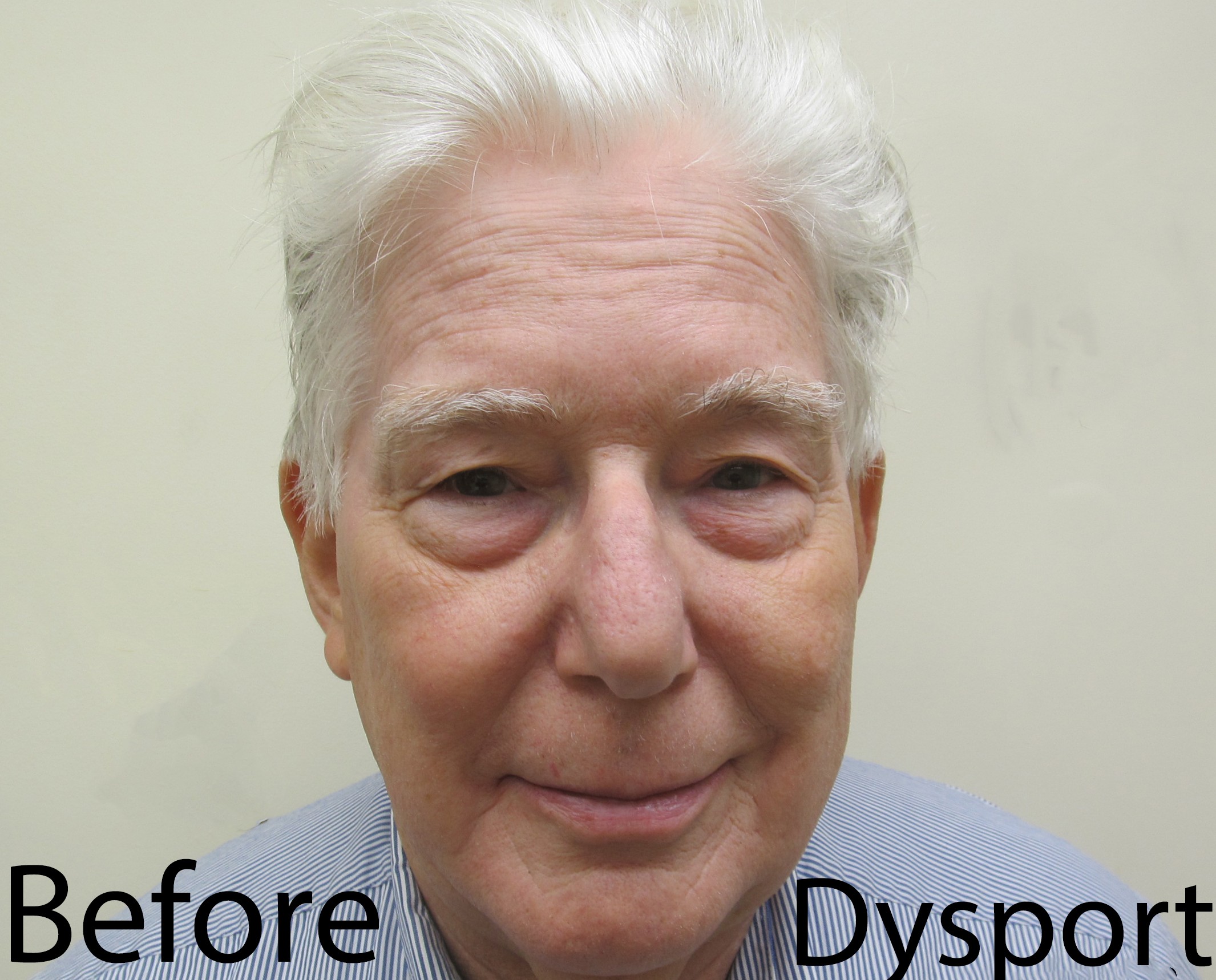
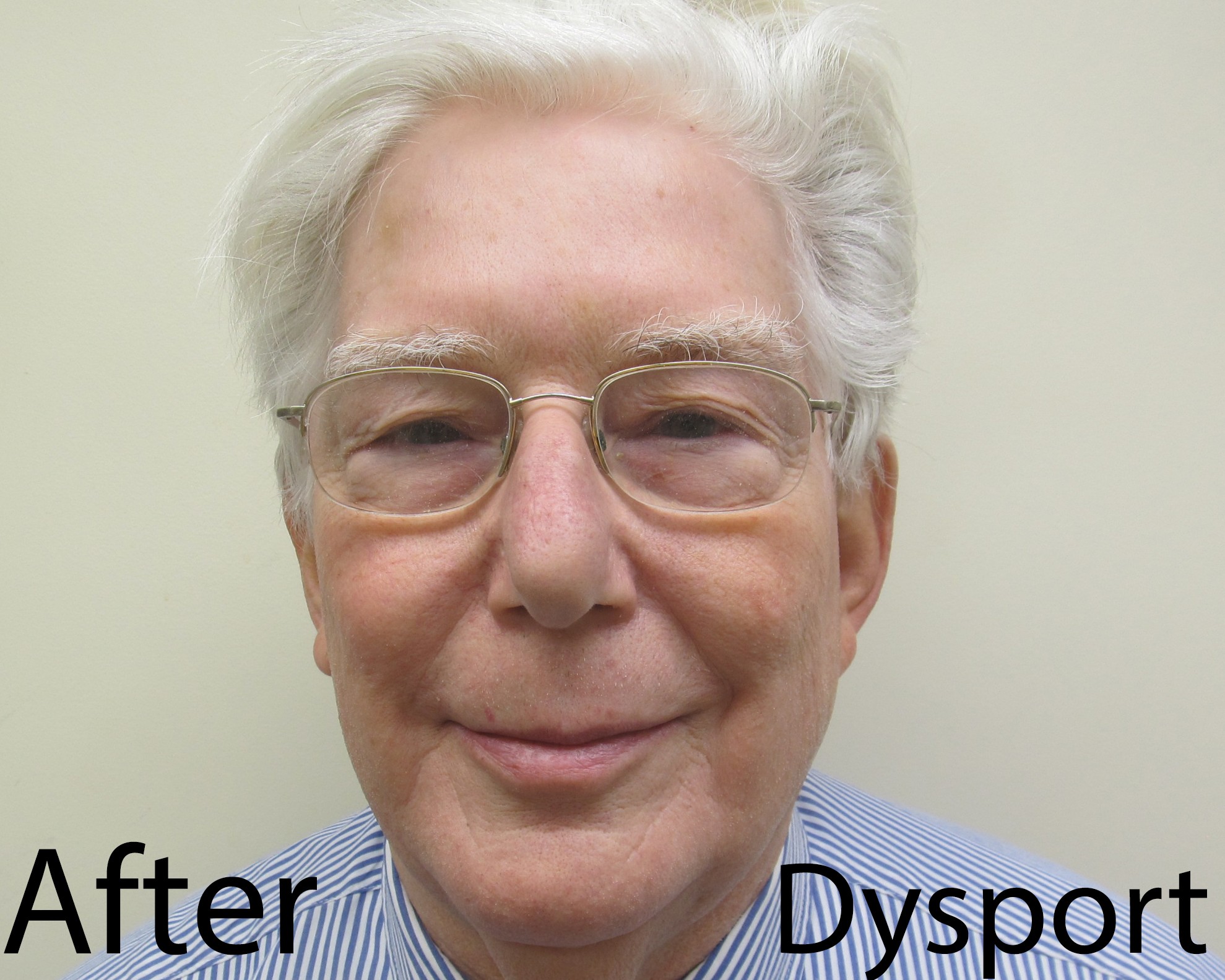
- Dysport $3.33/unit
- Restylane fillers $450-$550
Contact Info: